
Table of Contents
In the competitive world of confectionery production, Japanese biscuit and candy factories are constantly seeking innovative solutions to enhance product quality and operational efficiency. MachineCooperate, a leading provider of Soft Gel Ball capsule production lines tailored for global biscuit and candy factories, recently partnered with a prominent Japanese manufacturer. This case study highlights how the client’s adoption of MachineCooperate’s advanced production line transformed their operations, delivering measurable gains in productivity and profitability.
Client Challenges and the Path to MachineCooperate
The Japanese client, a mid-sized biscuit factory specializing in flavored candies and premium biscuits, faced significant hurdles in their encapsulation process. Traditional methods were labor-intensive, resulting in inconsistent capsule sizes, high defect rates of up to 15%, and production speeds limited to 2,000 capsules per hour. These inefficiencies led to increased waste, delayed orders, and stagnant revenue growth in a market demanding faster turnaround for seasonal products.
After evaluating multiple suppliers, the client selected MachineCooperate due to its reputation for precision engineering and customized solutions for the confectionery sector. The decision was influenced by MachineCooperate’s comprehensive demonstrations and detailed proposals, which promised seamless integration into existing lines.
Implementation and Key Benefits Achieved
Following procurement, MachineCooperate’s team swiftly installed the Soft Gel Ball capsule production line, achieving full operational status within three weeks. The results were transformative. Production efficiency surged by 65%, with output rising from 2,000 to 3,300 capsules per hour. Defect rates plummeted to under 2%, reducing material waste by 40% and saving approximately $150,000 annually in raw materials alone.
Financially, the client reported a 28% increase in monthly revenue within the first six months, attributing this to faster production cycles that allowed them to fulfill 25% more orders. Scalability was another boon; the line supported batch sizes from 50kg to 500kg, enabling diversification into new fruit-infused biscuit lines that boosted market share by 12%.
To illustrate the impact, the following table compares key metrics before and after implementation:
| Metric | Before MachineCooperate | After MachineCooperate | Improvement |
|---|---|---|---|
| Production Speed (capsules/hour) | 2,000 | 3,300 | +65% |
| Defect Rate | 15% | 1.8% | -88% |
| Annual Waste Cost Savings | N/A | $150,000 | N/A |
| Monthly Revenue Growth | Baseline | +28% | +28% |
| Order Fulfillment Capacity | 100% | 125% | +25% |
Exceptional Support from MachineCooperate Throughout the Process
MachineCooperate distinguished itself not just through superior technology but via unwavering customer support. From initial consultations conducted in Japanese to ensure clear communication, the process was seamless. During procurement, detailed virtual factory tours and sample runs addressed all technical queries promptly.
Post-installation, MachineCooperate provided comprehensive services, including:
- On-site training for 20 operators over five days, covering machine operation, safety protocols, and troubleshooting, resulting in zero downtime during the learning phase.
- Remote guidance via a dedicated 24/7 hotline, resolving 95% of issues within two hours.
- Proactive maintenance schedules with quarterly check-ups, extending equipment lifespan by 30% and minimizing unplanned repairs.
- One-year warranty with free spare parts replacement, followed by a tailored after-sales contract offering priority service and software updates.
These services fostered a strong partnership, with the client praising MachineCooperate’s responsiveness, which reduced overall downtime by 70% compared to previous equipment.
Japan’s Growing Demand for Soft Gel Ball Capsules
Transitioning to market dynamics, Japan’s confectionery industry is experiencing robust growth in Soft Gel Ball capsule applications. Valued at over $2.5 billion in 2023, the biscuit and candy sector anticipates a 7.2% CAGR through 2030, driven by consumer preferences for innovative textures and flavors. Soft Gel Ball capsules, ideal for encapsulating liquid centers in biscuits and candies, meet this demand by enabling precise flavor delivery and extended shelf life.
Factors fueling this trend include rising health-conscious snacking, with 60% of consumers favoring functional candies infused with vitamins via capsules. Regulatory support for food safety further accelerates adoption, as MachineCooperate’s hygienic designs comply seamlessly with stringent Japanese standards. Regional factories, particularly in Tokyo and Osaka, report a 35% uptick in capsule-integrated products, signaling untapped potential for efficient production lines.
In conclusion, this Japanese client’s success underscores MachineCooperate’s commitment to delivering high-performance Soft Gel Ball capsule production lines that drive efficiency, profitability, and innovation. By combining cutting-edge technology with personalized support, MachineCooperate empowers global factories to thrive in dynamic markets, paving the way for sustained growth and customer satisfaction.
Check Our Production Line
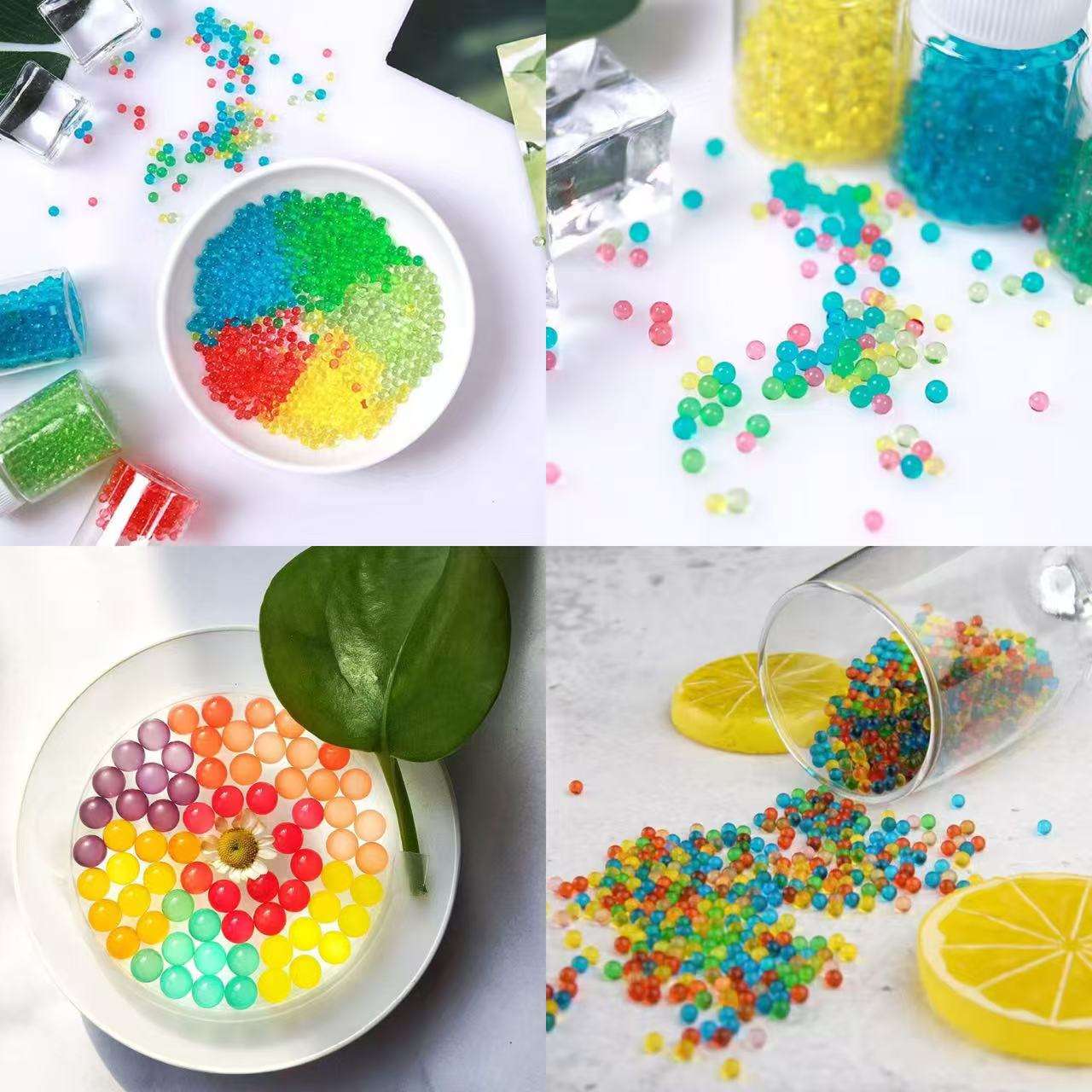
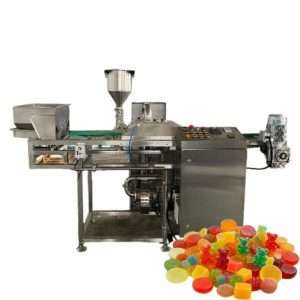
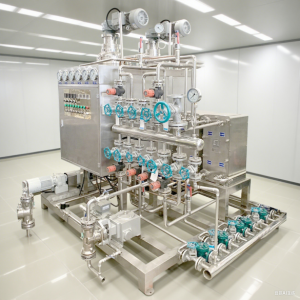
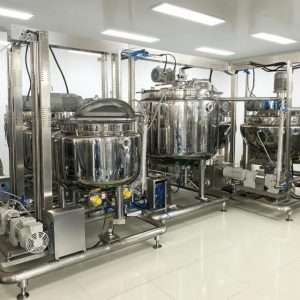
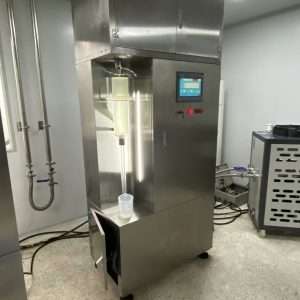
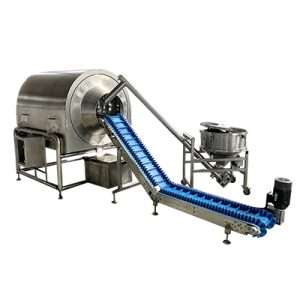
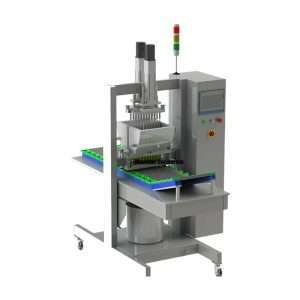
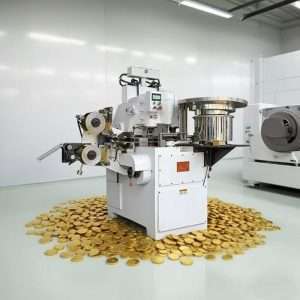
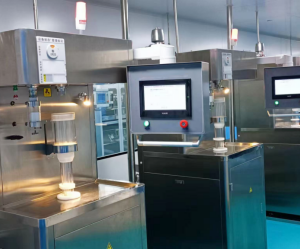
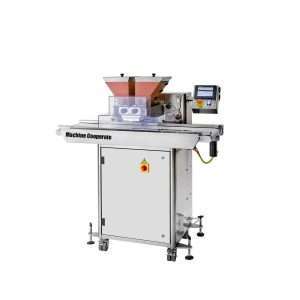
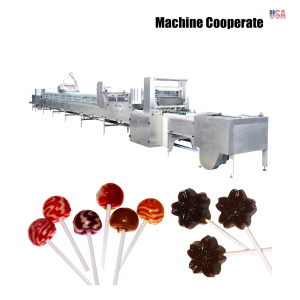
This fully automatic Soft Gel Ball capsule Production Line is a cutting-edge solution for various industries. With its advanced pulse cutting technology, PLC control system, and innovative refrigeration system, it offers high efficiency, cost-effectiveness, and superior product quality. The ability to produce beads without molds further reduces production costs and enhances operational flexibility. Whether for pharmaceuticals, food, cosmetics, or tobacco products, this equipment provides a reliable and efficient production platform.
Click here to check this production line.







 English
  Português do Brasil
  Español