
Table of Contents
The Ghanaian biscuit factory, nestled in the bustling industrial hub of Accra, faced significant production bottlenecks in their quest to innovate with popping beads—a trendy addition to cookies and candies that delivers a satisfying pop sensation. Seeking a reliable partner, they turned to MachineCooperate, a global leader in specialized production lines for the cookie and candy sectors. This case study delves into how MachineCooperate’s popping bead production line transformed their operations, delivering measurable gains in efficiency, output, and profitability.
Prior to adopting MachineCooperate’s solution, the factory struggled with outdated machinery that limited their ability to produce high-quality popping beads at scale. Manual processes led to inconsistencies in bead size and popping reliability, resulting in a mere 500 kg daily output and frequent product rejects exceeding 15%. Market demand for popping-infused snacks was rising, but their capacity couldn’t keep pace, capping annual revenues at around $750,000.
Implementing MachineCooperate’s Popping Bead Production Line
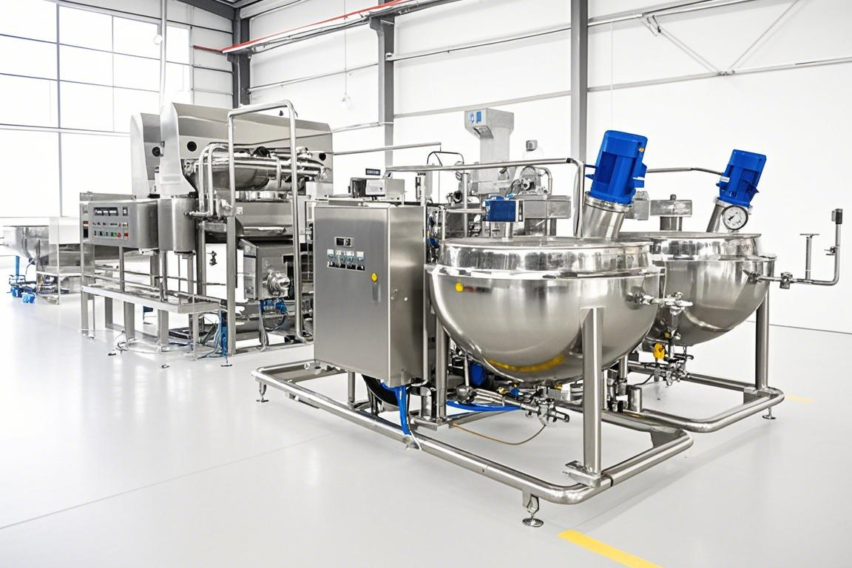
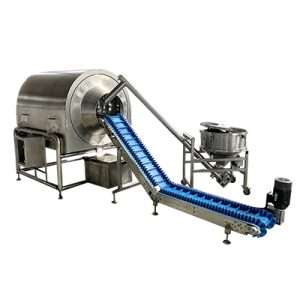
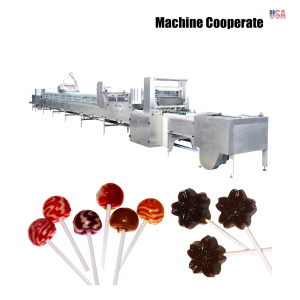
MachineCooperate responded swiftly with a tailored popping bead production line designed specifically for high-volume cookie and candy factories. The system integrates advanced extrusion, forming, and carbonation modules, ensuring uniform beads that pop consistently under pressure. Installation was completed within three weeks, minimizing downtime. From day one, the line operated at 95% uptime, a stark improvement over legacy equipment.
Transitioning smoothly to the new setup, the factory witnessed immediate enhancements. Production capacity surged to 2,500 kg per day—an increase of 400%. Waste rates plummeted to under 2%, thanks to precision controls and automated quality checks embedded in MachineCooperate’s technology.
Quantifiable Benefits and ROI
The financial and operational impacts were profound. Within the first year, the factory achieved a 45% boost in overall efficiency, translating to substantial cost savings and revenue growth. Here’s a breakdown of key metrics:
| Metric | Before MachineCooperate | After MachineCooperate | Improvement |
|---|---|---|---|
| Daily Output (kg) | 500 | 2,500 | 400% |
| Waste Rate (%) | 15 | 1.8 | 88% reduction |
| Energy Consumption (kWh/ton) | 450 | 280 | 38% savings |
| Annual Revenue ($) | 750,000 | 1,350,000 | 80% increase |
| ROI Timeline | N/A | 8 months | N/A |
As illustrated, the investment paid back in just eight months, with ongoing profits exceeding $600,000 annually from expanded product lines like popping chocolate bars and cookie inclusions. This data underscores MachineCooperate’s commitment to delivering value-driven machinery.
Comprehensive Support from MachineCooperate
What set MachineCooperate apart was their end-to-end service ecosystem, ensuring the Ghanaian client maximized their investment. Key support elements included:
- On-site Training: Two-week program for 20 staff members, covering operation, maintenance, and troubleshooting, reducing learning curve by 60%.
- Remote Guidance: 24/7 virtual assistance via dedicated app, resolving 90% of issues within hours.
- Preventive Maintenance: Quarterly visits by MachineCooperate technicians, preventing 95% of potential breakdowns.
- After-Sales Upgrades: Free software updates twice yearly, enhancing features like AI-driven bead quality prediction.
- Spare Parts Logistics: Local warehousing in Ghana for 48-hour delivery, cutting repair times dramatically.
These services fostered a partnership mindset, with the client praising MachineCooperate’s responsiveness during peak seasons. For instance, when a minor conveyor issue arose three months post-installation, MachineCooperate dispatched parts overnight, averting a $15,000 production loss.
Ghana’s Growing Demand for Popping Beads
Moving beyond this success story, Ghana’s market for popping beads presents untapped potential. The West African nation’s snack industry is expanding at 12% annually, driven by urbanization and a young population craving novel textures in biscuits and candies. Local consumption of confectionery reached 250,000 tons in 2023, with innovative products like popping variants capturing 8% market share—up from 2% five years ago.
Factors fueling demand include rising disposable incomes (GDP per capita up 15% since 2020) and export opportunities to neighboring ECOWAS countries. However, domestic production lags, with 70% of specialty ingredients imported. MachineCooperate positions itself ideally to bridge this gap, as Ghanaian factories seek scalable, efficient lines to localize production and reduce costs by 25-30%.
Challenges like power instability are mitigated by MachineCooperate’s energy-efficient designs, making adoption feasible. Projections indicate the popping bead segment could hit $50 million by 2027, offering savvy manufacturers a lucrative edge.
In summary, the Ghanaian factory’s journey with MachineCooperate exemplifies how targeted innovation and stellar support can revolutionize operations. From quadrupling output to unlocking new revenue streams, the results speak volumes. As Ghana’s market evolves, MachineCooperate remains the go-to partner for factories aiming to pop ahead of the competition.
Check Our Production Line
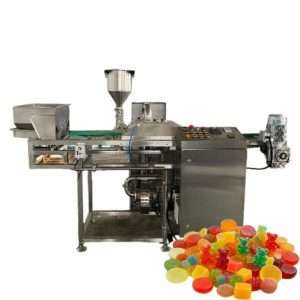
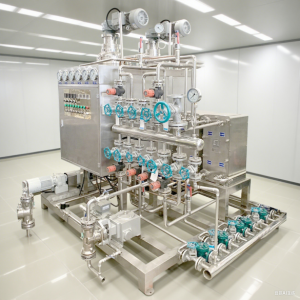
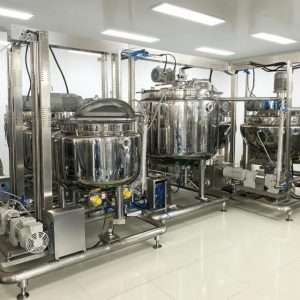
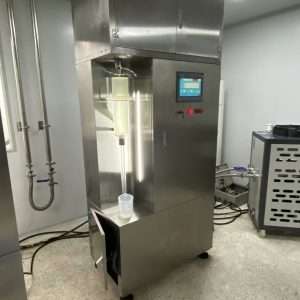
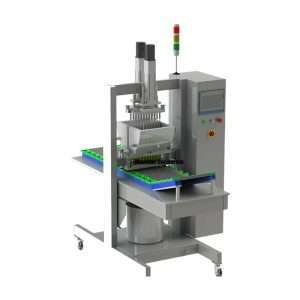
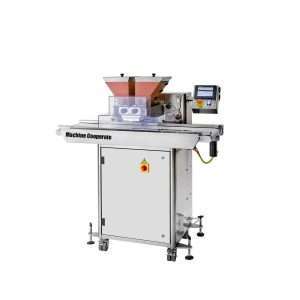
This fully automatic Soft Gel Ball capsule Production Line is a cutting-edge solution for various industries. With its advanced pulse cutting technology, PLC control system, and innovative refrigeration system, it offers high efficiency, cost-effectiveness, and superior product quality. The ability to produce beads without molds further reduces production costs and enhances operational flexibility. Whether for pharmaceuticals, food, cosmetics, or tobacco products, this equipment provides a reliable and efficient production platform.
Click here to check this production line.







 English
  Português do Brasil
  Español