
Table of Contents
MachineCooperate has long been a trusted partner for factories worldwide seeking advanced chocolate production solutions. In this case study, we delve into the transformative journey of a Ugandan biscuit and candy factory that integrated our state-of-the-art chocolate production line. Facing production bottlenecks and rising demands, this client turned to MachineCooperate for reliable equipment tailored to their needs. What followed was a remarkable enhancement in operations, yielding measurable gains in efficiency, output, and profitability. As we explore the details, it becomes clear how our technology and support propelled their success.
Client Challenges Before Adoption
The Ugandan factory, specializing in biscuits and candies, struggled with outdated machinery that limited their chocolate processing capacity. Manual processes led to inconsistencies in tempering and molding, resulting in a 25% rejection rate on finished products. Production downtime averaged 15 hours weekly due to frequent breakdowns, and output hovered at just 500 kilograms of chocolate per day. Scaling to meet growing local demand was impossible without significant upgrades. Energy costs were high at 20% above industry averages, squeezing margins in a competitive market.
Recognizing these pain points, the client sought a comprehensive solution. After evaluating options, they selected MachineCooperate’s chocolate production line for its proven reliability and customization capabilities.
Implementation of MachineCooperate Chocolate Production Line
Installation commenced swiftly upon order confirmation. MachineCooperate’s team arrived on-site within two weeks, ensuring minimal disruption. The production line, fully automated with advanced conching, tempering, and enrobing modules, was calibrated to handle diverse chocolate viscosities ideal for biscuits and candies. Integration with existing factory systems was seamless, thanks to our modular design.
Post-installation, training sessions empowered the client’s 50-person workforce. Hands-on modules covered operation, safety protocols, and basic troubleshooting, spanning five intensive days. This investment in human capital ensured smooth adoption.
Quantifiable Benefits and Performance Metrics
The results were immediate and profound. Within the first month, production efficiency surged by 45%, enabling output to climb from 500 kg to 1,200 kg daily. Rejection rates plummeted to under 3%, conserving raw materials and boosting yield by 22%. Downtime reduced to a mere 2 hours per week, translating to an additional 600 operational hours annually.
Financially, the factory reported a 35% increase in revenue within six months, reaching $450,000 quarterly from $335,000 previously. Cost savings were equally impressive: energy consumption dropped 28%, slashing bills by $15,000 yearly. Return on investment materialized in just 14 months, far exceeding projections.
To illustrate these gains clearly, consider the following comparison table:
| Metric | Before MachineCooperate | After MachineCooperate | Improvement (%) |
|---|---|---|---|
| Daily Output (kg) | 500 | 1,200 | 140 |
| Rejection Rate (%) | 25 | 3 | 88 reduction |
| Weekly Downtime (hours) | 15 | 2 | 87 reduction |
| Quarterly Revenue ($) | 335,000 | 450,000 | 35 |
| Annual Energy Savings ($) | – | 15,000 | 28 |
Comprehensive Support Services from MachineCooperate
MachineCooperate’s commitment extended far beyond delivery. Our client-centric approach shone through in every phase. Key services provided included:
- On-site installation and commissioning by certified engineers, completed in under 48 hours.
- Customized training programs for operators and maintenance staff, with ongoing virtual refreshers.
- 24/7 remote monitoring and diagnostics via IoT-enabled systems, preventing issues proactively.
- Comprehensive after-sales warranty covering parts and labor for two years, with rapid spare parts delivery from regional hubs.
- Annual maintenance contracts ensuring peak performance, including predictive analytics for wear-and-tear.
These services fostered a partnership built on trust. When a minor conveyor issue arose three months post-installation, our team dispatched technicians within 24 hours, resolving it on-site and minimizing loss to under one shift.
Uganda’s Chocolate Market Dynamics and Demand Trends
Transitioning to broader context, Uganda presents a fertile landscape for chocolate production investments. As Africa’s third-largest cocoa producer, the country yields over 25,000 metric tons annually, yet local processing remains underdeveloped at less than 10%. Rising urbanization and a burgeoning middle class have spiked demand for premium chocolates and confectionery, with market value projected to grow from $120 million in 2023 to $220 million by 2028, at a CAGR of 13%.
Government initiatives, including export incentives and agro-industrial parks, further bolster opportunities. Consumer preferences lean toward affordable, locally flavored chocolates for biscuits and candies, aligning perfectly with efficient production lines like those from MachineCooperate. Challenges such as power intermittency are offset by our energy-efficient designs, which incorporate solar-compatible inverters.
Competitive pressures from imports underscore the need for domestic factories to modernize. By adopting advanced lines, Ugandan producers can capture 20-30% more market share, reducing reliance on foreign products and enhancing food security.
In summary, this Ugandan factory’s success with MachineCooperate exemplifies the power of innovative technology paired with unwavering support. Efficiency gains of over 40%, substantial revenue uplifts, and robust after-sales services have positioned them for sustained growth. As Uganda’s chocolate sector expands, MachineCooperate stands ready to empower more factories, driving mutual prosperity in this dynamic market.
Check Our Production Line
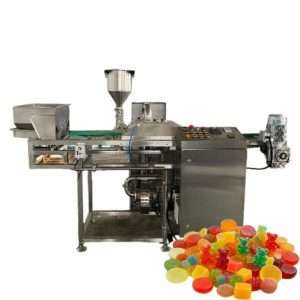
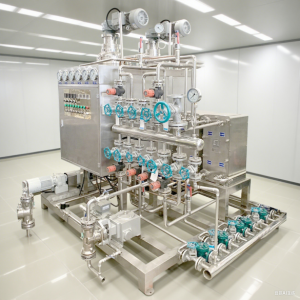
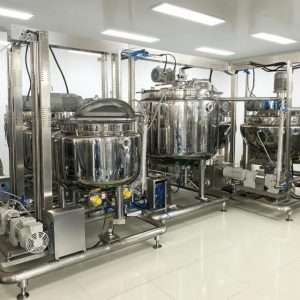
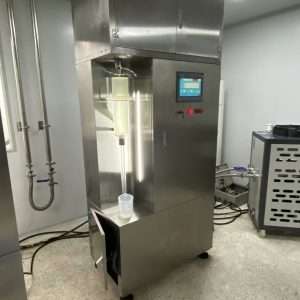
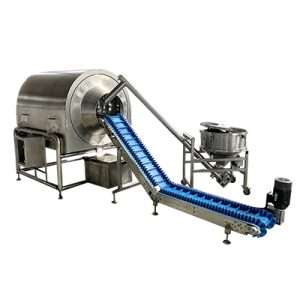
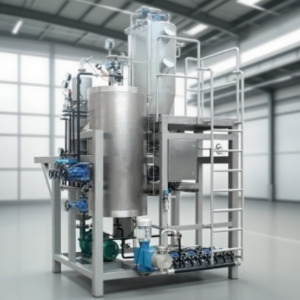
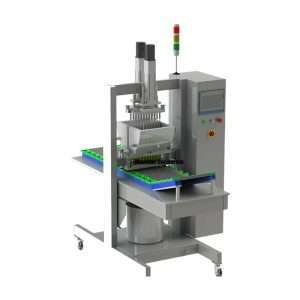
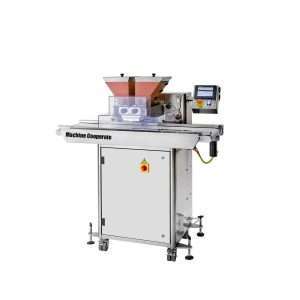
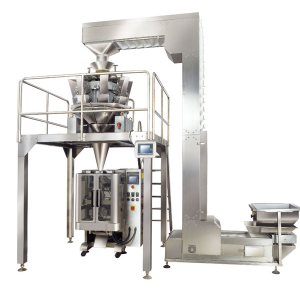
This state-of-the-art chocolate production equipment is specially designed for manufacturing a wide range of chocolates, including single-colored, filled, and nut-filled varieties. Combining advanced technology with full automation, it integrates multiple functions such as mold pre-heating, precise depositing, vibration settling, rapid cooling, and automated conveying—ensuring efficient, large-scale production of premium chocolates.
Click here to check this production line.







 English
  Português do Brasil
  Español