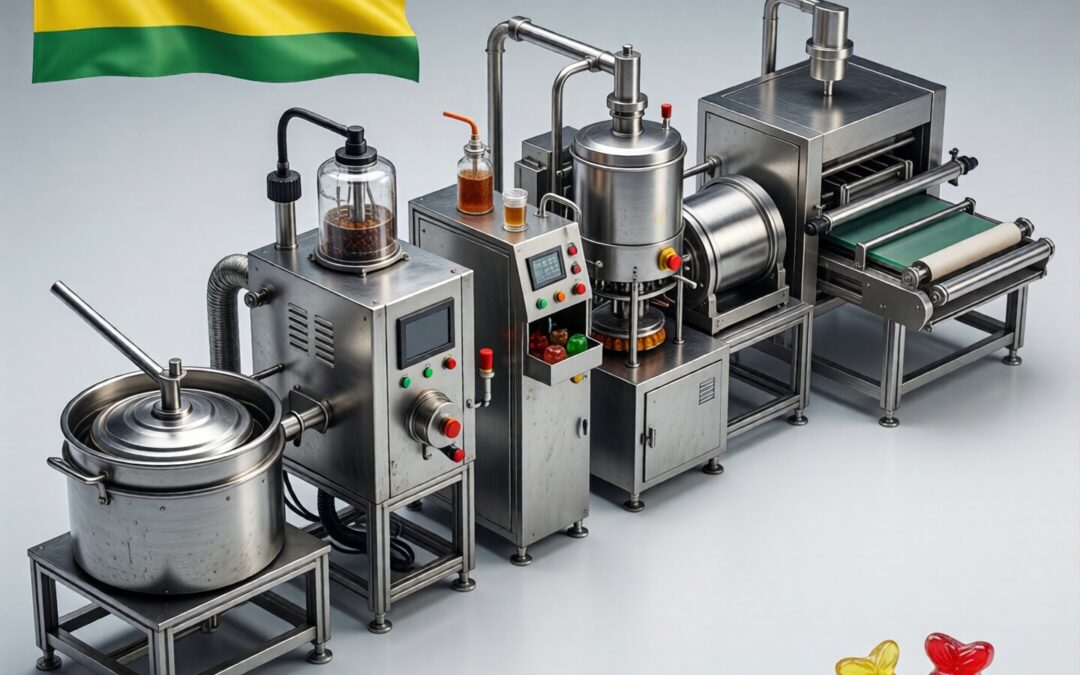
In the competitive landscape of confectionery manufacturing, operational efficiency and product quality are paramount. When a mid-sized candy producer in Rwanda sought to modernize its production capabilities, it turned to MachineCooperate for a comprehensive gummy production line solution. This case study examines how the partnership transformed the client’s operations, resulting in measurable gains in output, revenue, and market reach.
Case Overview
The client, a family-owned business based in Kigali, had been producing traditional hard candies for over a decade. With a growing domestic demand for gelatin-based gummy products and limited local competition, management decided to diversify into gummy manufacturing. However, their existing equipment was manual and inefficient, producing only 120 kg of gummy candies per shift with a defect rate of 12%. After evaluating several suppliers, they selected MachineCooperate based on the company’s reputation for robust machinery and tailored support.
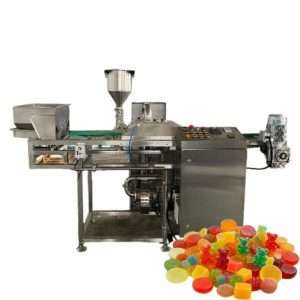
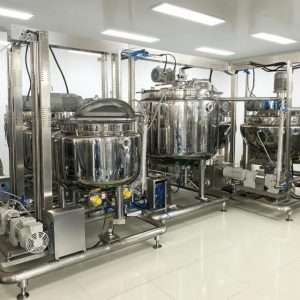
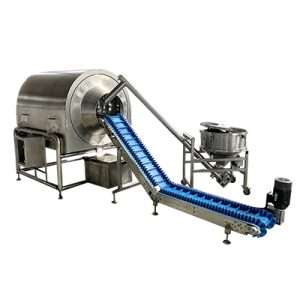
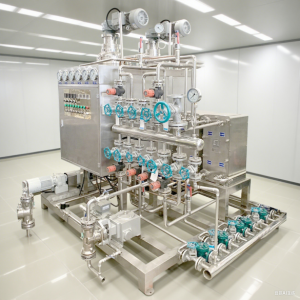
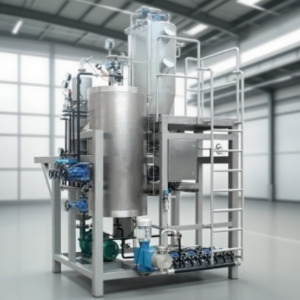
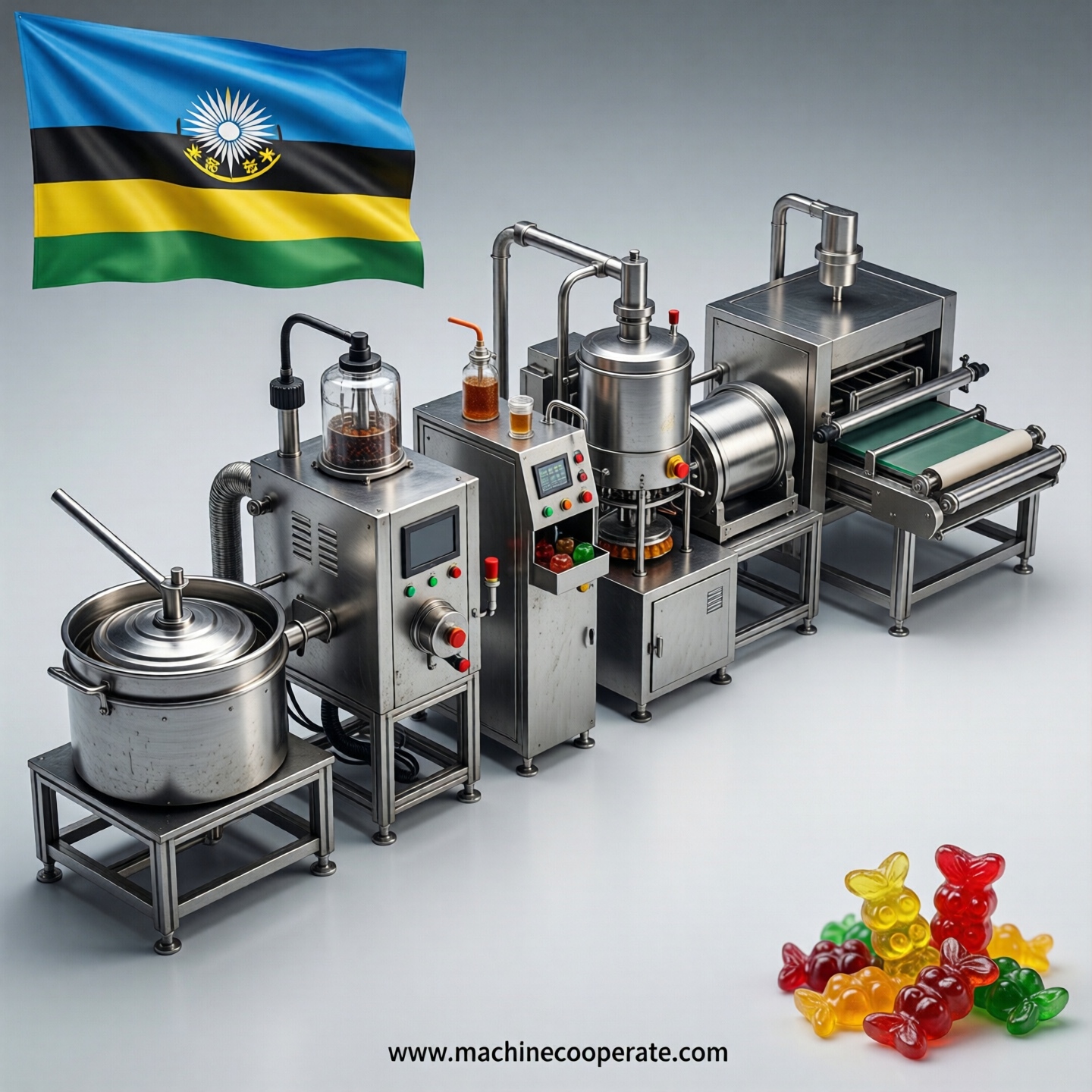
MachineCooperate conducted a thorough site assessment, considering Rwanda’s ambient humidity levels and the client’s available floor space. A fully integrated gummy production line was designed, including a continuous cooking system, depositing unit, cooling tunnel, and packaging module. The installation was completed within six weeks, and the line began commercial operations in March 2024.
Efficiency and Revenue Gains
The new line delivered immediate and substantial improvements. Production capacity rose from 120 kg to 480 kg per shift—a 300% increase—while the defect rate dropped to 1.2%. Energy consumption per kilogram decreased by 28% due to the line’s optimized heat recovery system. These efficiency gains translated directly into financial performance. Within the first nine months, the client reported a 45% increase in gross revenue, attributed to higher output volumes and the ability to enter new export markets in neighboring Uganda and Tanzania.
The table below summarizes key performance indicators before and after implementing the MachineCooperate line.
| Metric | Before (Manual Line) | After (MachineCooperate Line) |
|---|---|---|
| Production capacity per shift (kg) | 120 | 480 |
| Defect rate (%) | 12 | 1.2 |
| Energy consumption (kWh/kg) | 0.85 | 0.61 |
| Monthly gross revenue (USD) | 28,000 | 40,600 |
| Time to market (hours from batch start to finished pack) | 6.5 | 2.8 |
Additionally, the client’s workforce was repurposed more strategically. Fewer operators were needed per shift—down from 12 to 8—yet overall labor efficiency improved by 40% due to automated material handling and CIP (clean-in-place) systems. The reduction in manual intervention also minimized contamination risks, enabling the factory to achieve HACCP certification within six months.
Comprehensive Support from MachineCooperate
Beyond hardware, MachineCooperate provided an extensive support ecosystem that ensured the client could maximize the line’s potential from day one. The services were tailored to the client’s specific needs and local context. A dedicated project manager coordinated every phase, and the following key offerings were delivered:
- On-site training program: A two-week intensive course for 15 operators, covering machine operation, recipe formulation, and troubleshooting. Training materials were translated into Kinyarwanda, and refresher sessions were held remotely every quarter.
- Process optimization guidance: Technical engineers helped the client adjust gelatin bloom strength and syrup concentrations to suit local raw material variability, resulting in consistent texture and shelf life of at least nine months.
- Preventive maintenance schedule: A custom 12-month maintenance plan with checklists and spare part kits was provided. MachineCooperate’s regional technician visited the site every two months for inspections and minor repairs.
- 24/7 remote support: A direct video-call hotline enabled instant diagnostics. During a critical power fluctuation in July 2024, the team guided the client through a full system reboot within 45 minutes, preventing a full-day shutdown.
- Expansion consulting: After six months, MachineCooperate advisors helped the client plan a second line layout, including recommendations for future automation upgrades such as a robotic pick-and-pack system.
This holistic approach fostered a genuine partnership. The client’s production manager commented that the responsiveness of MachineCooperate’s support team “made us feel like a priority, not just a customer.”
Rwanda Gummy Market Analysis
Rwanda’s confectionery industry has experienced steady growth, driven by rising disposable incomes, urbanization, and a youthful demographic profile. According to recent trade data, the gummy segment—including fruit chews, jelly beans, and vitamin gummies—grew at an average annual rate of 11% between 2020 and 2024. Import substitution is a key factor: Rwanda previously imported over 60% of its gummy products from Kenya and South Africa, but local production is now accelerating due to government incentives for agro-processing and manufacturing.
Domestic demand for gummies is particularly strong among children and young adults, with per capita consumption estimated at 0.4 kg per year—still low compared to global averages of 1.2 kg, indicating significant room for growth. The client leveraged this untapped market by introducing affordable, locally flavored products like passion fruit and hibiscus gummies, which resonated with consumers. Furthermore, Rwanda’s membership in the East African Community provides tariff-free access to a combined market of over 300 million people. The client’s export orders from Burundi and the Democratic Republic of Congo increased by 70% after switching to the MachineCooperate line, thanks to better product consistency and longer shelf life.
Challenges remain, including volatile gelatin prices and the need for reliable cold-chain logistics during transport. However, the client’s investment in MachineCooperate’s technology has positioned it as a frontrunner in the regional gummy market. Industry analysts project that the client will capture approximately 18% of Rwanda’s gummy segment by the end of 2025, up from less than 5% before the upgrade.
The partnership between this Rwandan manufacturer and MachineCooperate exemplifies how targeted automation, combined with comprehensive after-sales support, can transform a local business into a regional competitor. The documented gains in efficiency, revenue, and market access serve as a compelling model for other confectionery producers in emerging economies. By choosing MachineCooperate, the client not only upgraded its equipment but also gained a strategic partner committed to its long-term success.
Our Products
-

Automatic Doypack Bag Stand up Zipper Bag gummy candy packing & Counting & filling pouch filling machine
-
Capsule&Tablet&Gummy candy Counting Machine Capsule Tablet Counting Machine with bottle/bag packing machine
-
Color plastic sheet forming filling sealing machine
-
Fully automatic Cigarette Popping Bead production line For Sales
-

Fully Automatic Soft Gel Ball capsule Production Line
-
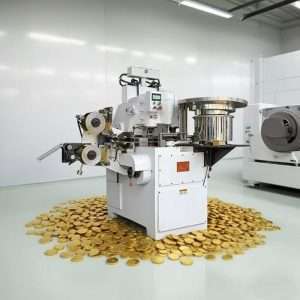
Gold Coin Chocolate Packaging Machine with Advanced Control Systems
-
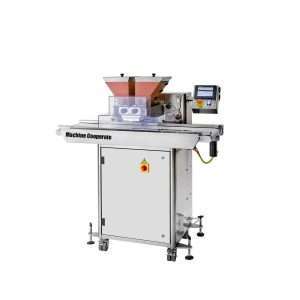
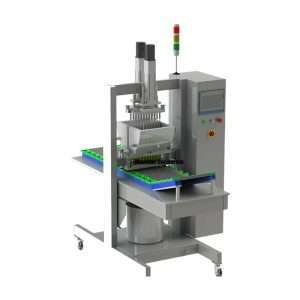
Gummy Candy Depositor for Labs & Small-Scale Production
-
Gummy Production Line & Machinery – Free Recipes with Our Equipment – 24/7 After-Sales Support
-
Hard Candy Production Line For Sales – Free Recipes with Our Equipment – 24/7 After-Sales Support
-
High-efficiency Popping Bead Machine Fully Automatic Production Equipment for Commercial Use Popping Bead Making Artifact
-
Industrial Jelly Gummy Candy Snack Sugar Coating Pan Drum Machine/candy Surface Polishing Machine
-
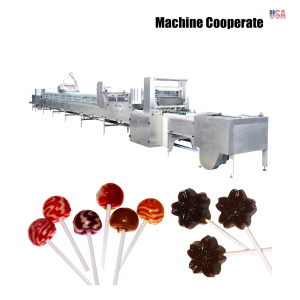
Lollipop Production Line – Free Recipes with Our Equipment – 24/7 After-Sales Support