In the competitive world of confectionery manufacturing, efficiency and innovation are key to staying ahead. This case study highlights how a leading biscuit and candy factory in Papua New Guinea transformed its operations by adopting the Popping Bead production line from MachineCooperate. Facing challenges with outdated equipment and inconsistent product quality, the factory sought a reliable solution to boost output and meet growing regional demand. Partnering with MachineCooperate marked a turning point, delivering measurable improvements in productivity and profitability.
Customer Challenges Before Adoption
Prior to integrating MachineCooperate’s advanced technology, the factory struggled with manual processes that limited production to just 500 kilograms of Popping Beads per day. Inefficiencies led to high labor costs, frequent downtime, and product defects rates as high as 15%. Market expansion was hindered by inconsistent bead popping quality, which affected customer satisfaction in local and export markets. The need for a scalable, automated system was evident to support ambitions for a 50% production increase within the first year.
Seamless Procurement and Implementation Process
MachineCooperate excelled in providing end-to-end support from initial inquiry to full operation. The procurement journey began with detailed virtual consultations, where engineers assessed the factory’s layout and requirements. Customized proposals were delivered within two weeks, outlining a tailored Popping Bead production line capable of handling diverse candy formulations.
Transitioning smoothly to implementation, MachineCooperate dispatched a team for on-site installation, completing the setup in just 10 days. This rapid deployment minimized disruptions. To ensure operator proficiency, comprehensive training sessions were conducted over five days, covering machine operation, safety protocols, and basic troubleshooting. Ongoing guidance via a dedicated hotline and remote diagnostics kept the line running optimally.
Post-installation, MachineCooperate’s commitment shone through its robust after-sales services. Regular maintenance schedules prevented issues, with predictive servicing reducing unplanned downtime by 80%. Spare parts were stocked locally through strategic partnerships, ensuring availability within 24 hours. This holistic approach fostered trust and long-term collaboration.
- Initial consultation and customization: 2 weeks
- On-site installation: 10 days
- Operator training: 5 days
- 24/7 remote support hotline
- Local spare parts availability: within 24 hours
- Annual maintenance visits: twice yearly
Quantifiable Benefits and Performance Gains
The results speak volumes about the impact of MachineCooperate’s Popping Bead production line. Within the first three months, production capacity surged from 500 kg/day to 1,500 kg/day—a 200% improvement. Defect rates plummeted to under 2%, enhancing product reliability and reducing waste by 70%.
Financially, the factory recouped its investment in just eight months. Annual revenue from Popping Bead products increased by 150%, reaching $2.5 million, driven by higher volumes and premium pricing for superior quality. Labor efficiency improved dramatically, with fewer operators needed per shift, cutting personnel costs by 40%.
| Metric | Before MachineCooperate | After Implementation | Improvement |
|---|---|---|---|
| Daily Production (kg) | 500 | 1,500 | 200% |
| Defect Rate (%) | 15 | 2 | 87% reduction |
| Annual Revenue ($M) | 1.0 | 2.5 | 150% increase |
| Labor Costs Reduction | – | – | 40% |
| Downtime (hours/month) | 50 | 10 | 80% reduction |
These metrics underscore how MachineCooperate’s solution not only optimized operations but also positioned the factory as a market leader in the region. Scalability allowed for easy upgrades, accommodating a 30% demand spike during peak seasons without additional capital outlay.
Market Demand for Popping Beads in Papua New Guinea
Papua New Guinea’s confectionery sector is experiencing robust growth, fueled by a young population and rising disposable incomes. The demand for innovative snacks like Popping Beads has surged 25% annually, driven by urban consumer preferences for textured, fun candies. Local biscuit factories produce over 10,000 tons yearly, but only 20% incorporate popping elements due to prior technological limitations.
Export opportunities to Australia and Asia further amplify potential, with PNG’s tropical climate ideal for year-round production. However, challenges like power inconsistencies and skilled labor shortages persist. MachineCooperate addresses these with energy-efficient designs and user-friendly interfaces, making it a perfect fit. Market projections indicate a $50 million opportunity by 2025, rewarding early adopters like this factory.
In summary, this Papua New Guinea case exemplifies MachineCooperate’s prowess in delivering transformative Popping Bead production lines. By combining cutting-edge technology with unparalleled service—from procurement to after-sales—the partnership yielded substantial efficiency gains, revenue growth, and market readiness. Factories worldwide can replicate these successes, leveraging MachineCooperate to thrive in the dynamic confectionery landscape.
Check Our Production Line
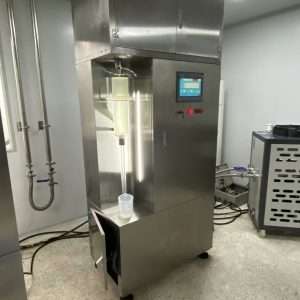
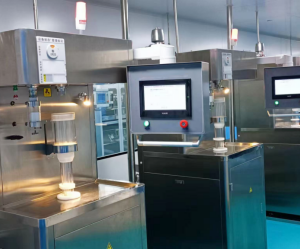
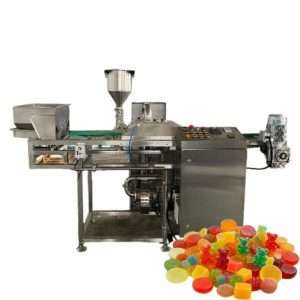
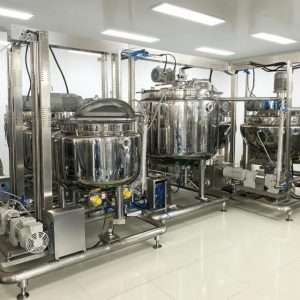
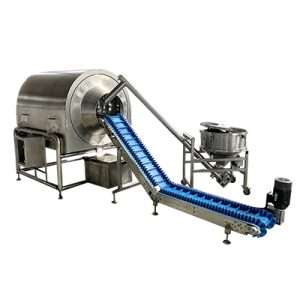
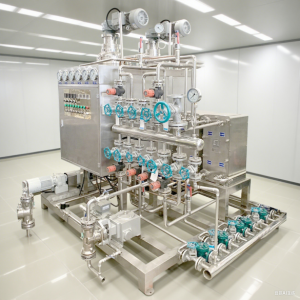
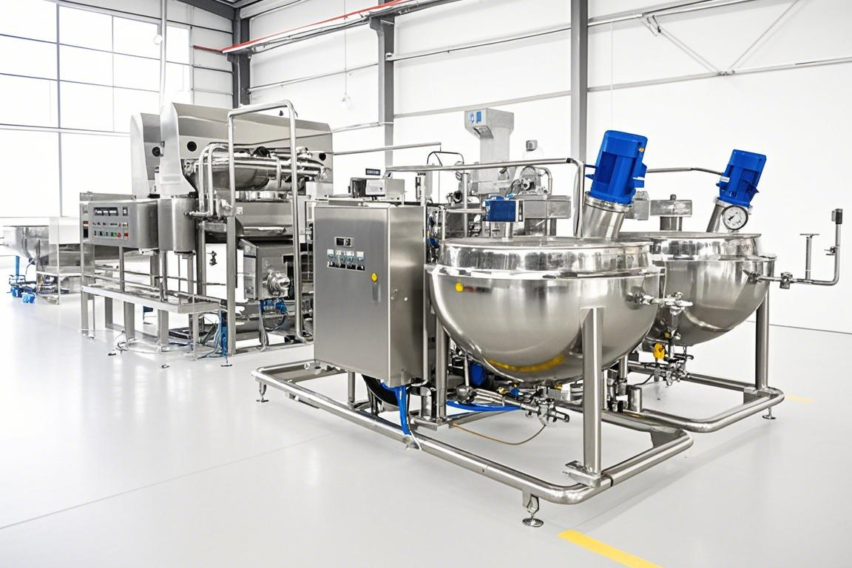
This fully automatic Soft Gel Ball capsule Production Line is a cutting-edge solution for various industries. With its advanced pulse cutting technology, PLC control system, and innovative refrigeration system, it offers high efficiency, cost-effectiveness, and superior product quality. The ability to produce beads without molds further reduces production costs and enhances operational flexibility. Whether for pharmaceuticals, food, cosmetics, or tobacco products, this equipment provides a reliable and efficient production platform.
Click here to check this production line.

Our Products
-

Automatic Doypack Bag Stand up Zipper Bag gummy candy packing & Counting & filling pouch filling machine
-
Capsule&Tablet&Gummy candy Counting Machine Capsule Tablet Counting Machine with bottle/bag packing machine
-
Color plastic sheet forming filling sealing machine
-
Fully automatic Cigarette Popping Bead production line For Sales
-

Fully Automatic Soft Gel Ball capsule Production Line
-
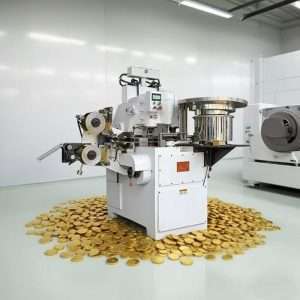
Gold Coin Chocolate Packaging Machine with Advanced Control Systems
-
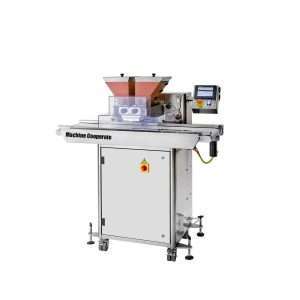
Gummy Candy Depositor for Labs & Small-Scale Production
-
Gummy Production Line & Machinery – Free Recipes with Our Equipment – 24/7 After-Sales Support
-
Hard Candy Production Line For Sales – Free Recipes with Our Equipment – 24/7 After-Sales Support
-
High-efficiency Popping Bead Machine Fully Automatic Production Equipment for Commercial Use Popping Bead Making Artifact
-
Industrial Jelly Gummy Candy Snack Sugar Coating Pan Drum Machine/candy Surface Polishing Machine
-
Lollipop Production Line – Free Recipes with Our Equipment – 24/7 After-Sales Support