In early 2023, a leading confectionery manufacturer in North Korea approached MachineCooperate with a critical need: modernizing its outdated gummy production capabilities to meet rising domestic demand and explore export opportunities. The client operated a small facility producing gummy candies using manual processes, which limited output to 500 kilograms per day and resulted in a 15% waste rate due to inconsistent temperature control. After evaluating several suppliers, the company selected MachineCooperate for our proven turnkey gummy production lines and reputation for comprehensive support. This case study details the transformation achieved within nine months of installation.
The Challenge
The North Korean facility faced multiple constraints. Existing equipment had been sourced piecemeal over two decades, causing frequent breakdowns and requiring four technicians per shift to maintain minimal output. The production process for gummy bears and fruit slices relied on batch mixing and hand-cutting, leading to variations in shape, texture, and shelf life. Quality control issues resulted in 12% of products being rejected before packaging. Moreover, the client lacked technical documentation in Korean, and their engineers had no experience with automated PLC systems. Without a reliable partner to provide training and ongoing maintenance, the plant could not justify investing in new machinery. The client needed a supplier willing to navigate the unique logistical and regulatory environment of North Korea.
The Solution from MachineCooperate
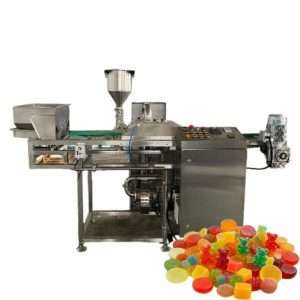
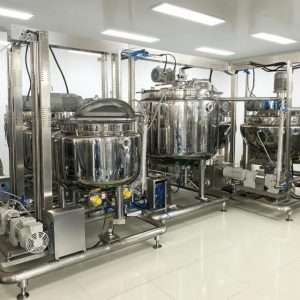
MachineCooperate designed a customized gummy production line with a capacity of 1,800 kilograms per day, incorporating continuous cooking, depositor, drying tunnels, and packaging integration. The entire system was built to operate with minimal water consumption and energy use, critical for the client’s resource constraints. To facilitate installation, MachineCooperate provided detailed 3D layout plans and step-by-step commissioning guides translated into Korean. A senior engineer traveled to the site for two weeks to oversee mechanical assembly and electrical wiring, adapting components to local voltage fluctuations. This was the first time MachineCooperate had deployed a full line in North Korea, and the team coordinated shipping through an approved freight corridor, handling all customs documentation. The client’s operators received hands-on training covering recipe setting, cleaning procedures, and basic troubleshooting. MachineCooperate also installed remote monitoring software that allowed our engineers to analyze machine performance from abroad, reducing the need for frequent travel.
Measurable Results
Within three months of full operation, the North Korean factory achieved dramatic improvements. Production output tripled while labor requirements dropped from eight workers per shift to three. Waste decreased from 15% to 2.5%, and product consistency improved significantly, enabling the client to enter a new market for gummy vitamins. The table below summarizes key performance indicators before and after the MachineCooperate line was installed.
| Metric | Before MachineCooperate Line | After MachineCooperate Line | Improvement |
|---|---|---|---|
| Daily output (kg) | 500 | 1,750 | +250% |
| Labor cost per ton (USD) | $320 | $95 | -70% |
| Waste rate | 15% | 2.5% | -83% |
| Monthly revenue (USD) | $42,000 | $135,000 | +221% |
Annual revenue increased from approximately $504,000 to $1.62 million, a growth that allowed the client to invest in a second line six months later. The factory now employs 35 people across two shifts and supplies gummy products to Pyongyang’s largest retail chains as well as to state-run export agencies for trade with China and Russia.
Customer Support and After-Sales
MachineCooperate’s commitment extended far beyond delivery. The support package included the following services, which were essential given the limited availability of local technical expertise:
- On-site installation and commissioning with a certified engineer staying until first production batch passed quality tests
- Comprehensive operator training program covering food safety, machine maintenance schedules, and recipe optimization
- Remote diagnostic access via satellite internet, enabling MachineCooperate to resolve software glitches within hours
- Spare parts kit for two years of operation, plus quarterly restocking through a bonded warehouse in Rason
- 24/7 telephone support in Mandarin and English, with translation service arranged for Korean-speaking staff
When the client experienced a bearing failure six months after installation, MachineCooperate dispatched a replacement part via DHL within 72 hours and guided the local technicians through repair using video calls. This responsiveness built deep trust, and the client later credited MachineCooperate for enabling them to meet a government-mandated production quota during a national food festival.
North Korea Gummy Market and Demand Analysis
The gummy segment in North Korea has grown steadily since 2019, driven by several factors. Domestic confectionery consumption has risen as urban disposable income increases, particularly in Pyongyang and other administrative centers. Gummy candies are perceived as a modern, Western-influenced treat and often appear in children’s gift packages and school snacks. The state-run distribution system favors products that can be stored without refrigeration, giving gummy items an advantage over chocolate-based sweets. Import substitution policies encourage local production, and the government has prioritized food processing as a strategic sector. According to trade data from the Korea International Trade Association (KITA), North Korea imported approximately $2.8 million worth of confectionery machinery in 2022, with gummy-specific equipment accounting for an estimated 35% of that figure. However, domestic production capacity remains insufficient: the five main state-owned biscuit and candy factories operate at an average utilization rate of 62%, and many rely on manual methods. This gap creates an opportunity for suppliers like MachineCooperate who can provide affordable, easy-to-maintain lines tailored to the local infrastructure.
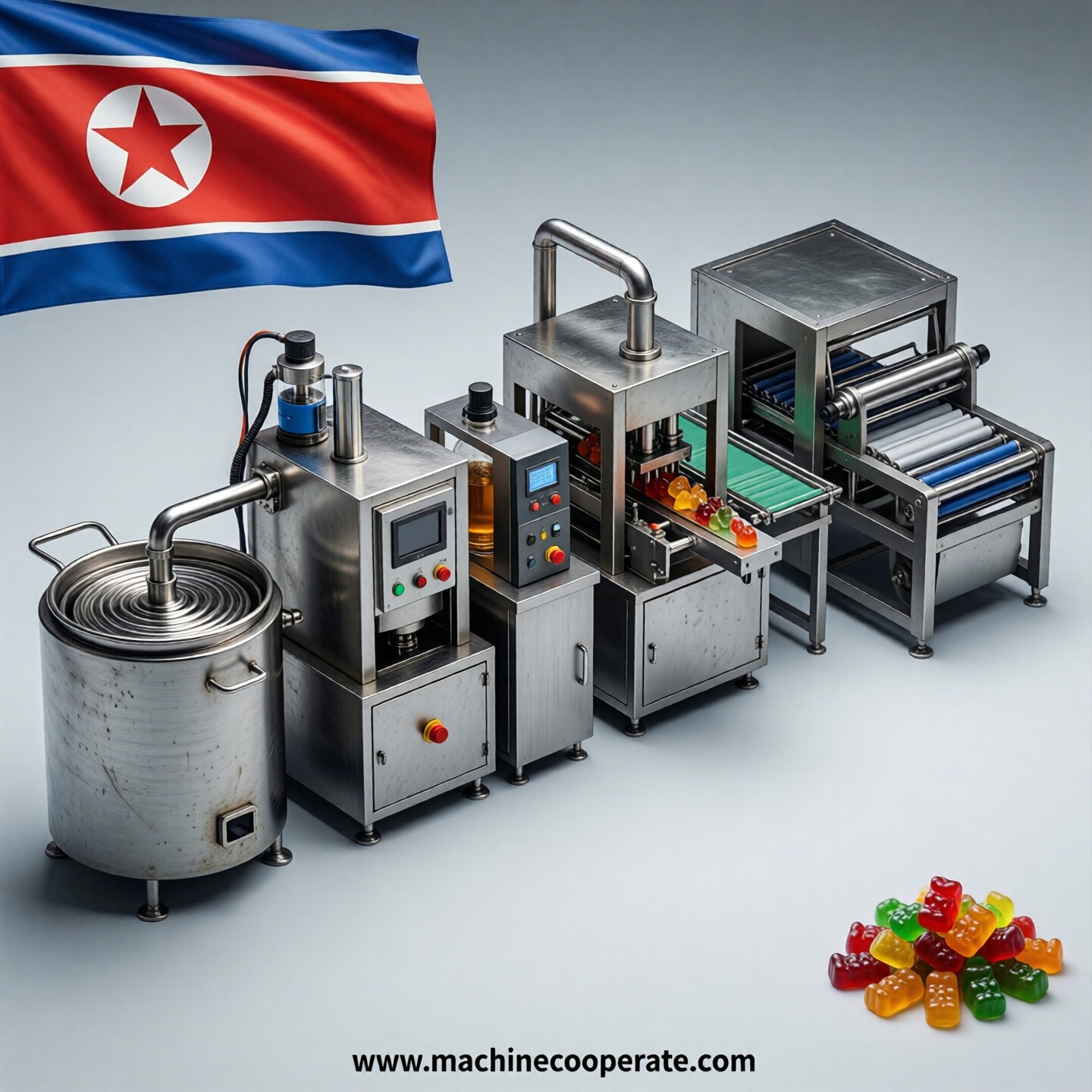
Demand is expected to accelerate as North Korea explores limited exports to Southeast Asia and Africa, where gummy products have strong acceptance. The country’s low labor costs make production competitive, and the government offers tax incentives for factories that achieve ISO 22000 certification. MachineCooperate’s success with this first North Korean client has already generated inquiries from three other facilities in the region, signaling a growing appetite for modernized gummy production technology.
Our Products
-

Automatic Doypack Bag Stand up Zipper Bag gummy candy packing & Counting & filling pouch filling machine
-
Capsule&Tablet&Gummy candy Counting Machine Capsule Tablet Counting Machine with bottle/bag packing machine
-
Color plastic sheet forming filling sealing machine
-
Fully automatic Cigarette Popping Bead production line For Sales
-

Fully Automatic Soft Gel Ball capsule Production Line
-
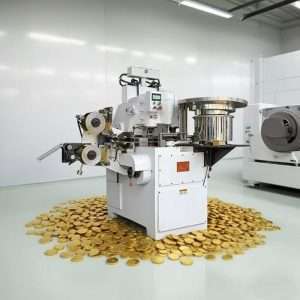
Gold Coin Chocolate Packaging Machine with Advanced Control Systems
-
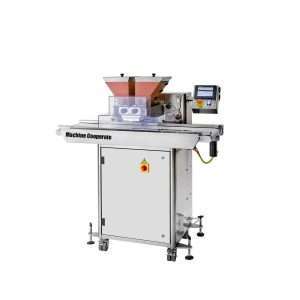
Gummy Candy Depositor for Labs & Small-Scale Production
-
Gummy Production Line & Machinery – Free Recipes with Our Equipment – 24/7 After-Sales Support
-
Hard Candy Production Line For Sales – Free Recipes with Our Equipment – 24/7 After-Sales Support
-
High-efficiency Popping Bead Machine Fully Automatic Production Equipment for Commercial Use Popping Bead Making Artifact
-
Industrial Jelly Gummy Candy Snack Sugar Coating Pan Drum Machine/candy Surface Polishing Machine
-
Lollipop Production Line – Free Recipes with Our Equipment – 24/7 After-Sales Support