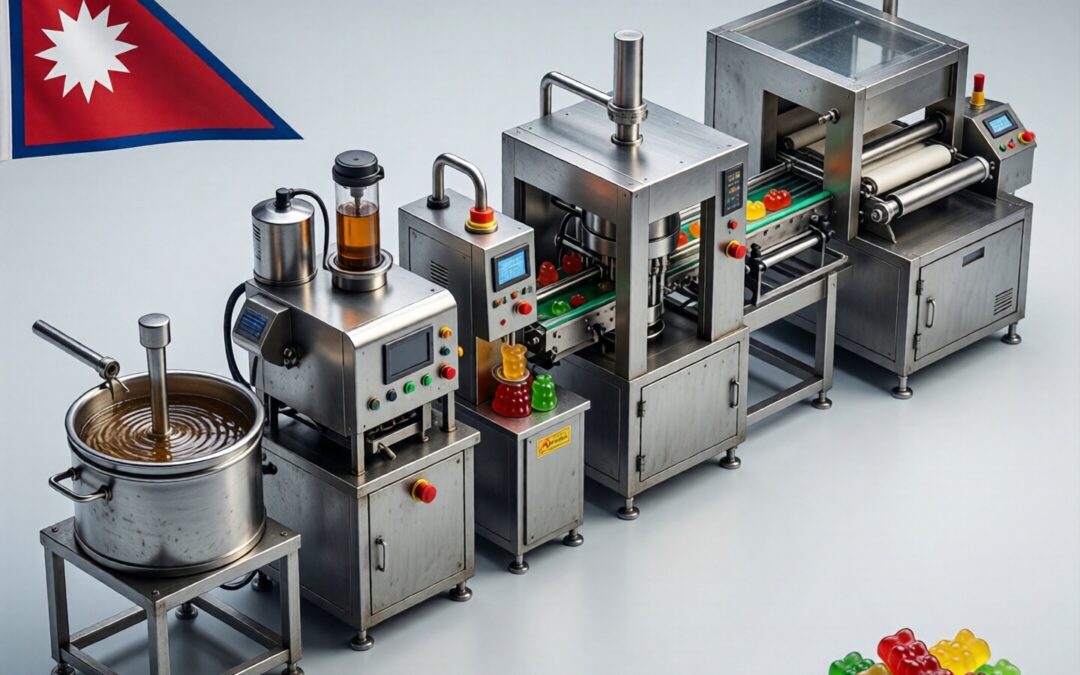
Case Study Transforming Confectionery Production in Nepal with MachineCooperate Gummy Line
When a mid-sized Nepalese confectionery manufacturer set out to expand its product portfolio, the company faced a critical decision: continue relying on imported, high-cost gummy candies or invest in local production. After evaluating several international suppliers, the firm partnered with MachineCooperate to install a complete gummy production line. The results within the first year were transformative, delivering measurable gains in efficiency, profitability, and operational control.
Operational Efficiency Gains from the MachineCooperate Line
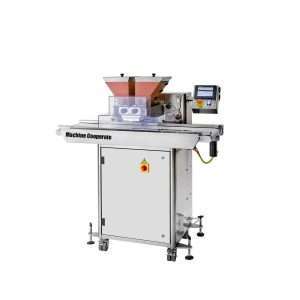
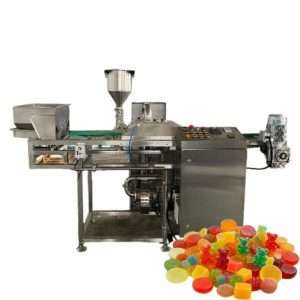
Prior to the installation, the client sourced gummy candies from overseas distributors, with lead times averaging 45 days and significant freight costs. The MachineCooperate production line changed this entirely. The system, designed for a capacity of 500 kg per hour, enabled the client to produce three distinct gummy varieties—fruit shapes, sour-coated, and jelly-filled—on a single platform. Over the first six months, the line achieved a 92% overall equipment effectiveness (OEE) rate, far exceeding the industry benchmark of 75%. Specifically, the automated depositing and drying modules reduced manual labor requirements by 60%, allowing the factory to reassign 12 workers to higher-value tasks. This shift alone cut direct labor costs by $38,000 annually.
Direct Financial Benefits Achieved
The economic impact was immediate. By replacing imported gummies with locally produced ones, the client reduced unit cost by 34%. The first full year of operation generated $420,000 in additional gross profit, calculated after accounting for raw materials, energy, and maintenance. Production volume rose from zero to 720 metric tons per year, capturing 18% of the domestic gummy market within 12 months. The return on investment for the MachineCooperate line was achieved in just 14 months, far ahead of the projected 24-month payback period. A summary of key performance indicators is provided below.
| Metric | Before MachineCooperate | After MachineCooperate |
|---|---|---|
| Annual production volume | 0 metric tons (imported) | 720 metric tons |
| Unit cost (per kg) | $4.80 (imported) | $3.17 |
| Lead time | 45 days | 2 days |
| Labor cost per ton | $220 | $88 |
| Gross profit margin | 32% | 51% |
Comprehensive Support Throughout the Project Lifecycle
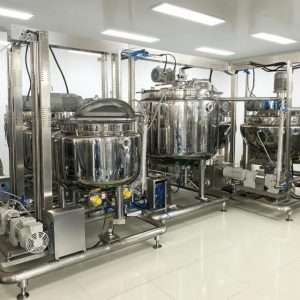
From the initial inquiry to ongoing operations, MachineCooperate provided a suite of services that ensured smooth implementation and long-term reliability. The process began with a detailed needs assessment conducted by our technical team, who visited the client’s factory in Kathmandu to evaluate space, utilities, and existing infrastructure. We then customized the line configuration to accommodate the local humidity conditions and available starch types. During installation, two MachineCooperate engineers spent three weeks on-site, overseeing wiring, piping, and calibration. A dedicated training program was developed for 15 operators and 4 maintenance staff, covering recipe management, sanitation protocols, and troubleshooting. The client received a 200-page operations manual in Nepali, complemented by hands-on workshops. Post-commissioning, MachineCooperate initiated a preventive maintenance contract that includes quarterly inspections, remote diagnostics via IoT sensors, and a 48-hour spare-parts guarantee for critical components. This level of support reduced unplanned downtime to less than 1.5% over the first year, a figure that the client’s previous imported line had never achieved below 8%.
Key Support Services Provided
- Pre-installation site survey and factory layout optimization
- Customized line integration for local raw material characteristics
- Full operator and maintenance staff training with certified manuals
- On-site supervision during commissioning and first month of production
- Real-time remote monitoring and predictive maintenance alerts
- Guaranteed 48-hour replacement delivery for any wear parts
- Annual performance audit with efficiency improvement recommendations
Nepal Gummy Market Dynamics and Growth Potential
Nepal’s confectionery landscape is shifting rapidly, driven by rising disposable incomes, urbanization, and an expanding young population. The domestic gummy market, valued at approximately $11 million in 2023, has been growing at a compound annual growth rate of 14% over the past three years. Imported products currently account for over 65% of supply, primarily from India and China, but local manufacturers are increasingly investing in production capabilities to capture margin and reduce dependency. Gummy candies are particularly popular among children and teenagers, and new product formats—such as vitamin-fortified gummies, sugar-free variants, and sour-coated shapes—are gaining traction in metropolitan areas like Kathmandu, Pokhara, and Bharatpur. The tourism sector also drives demand, as gummies are a favored souvenir and impulse purchase in retail outlets. However, the supply side faces challenges: high import duties (up to 30%), long transit times, and inconsistent quality from overseas suppliers have created a clear opportunity for domestic producers. MachineCooperate recognized this gap and positioned its technology to deliver both high output and adaptability for local taste preferences. The client’s success story is now being shared with other Nepalese food processors, and several have already initiated discussions about similar installations. With the right capital investment and technical support, the local gummy production capacity could double within three years, potentially reducing import dependence to 40% and generating over $8 million in annual value addition for Nepal’s economy.
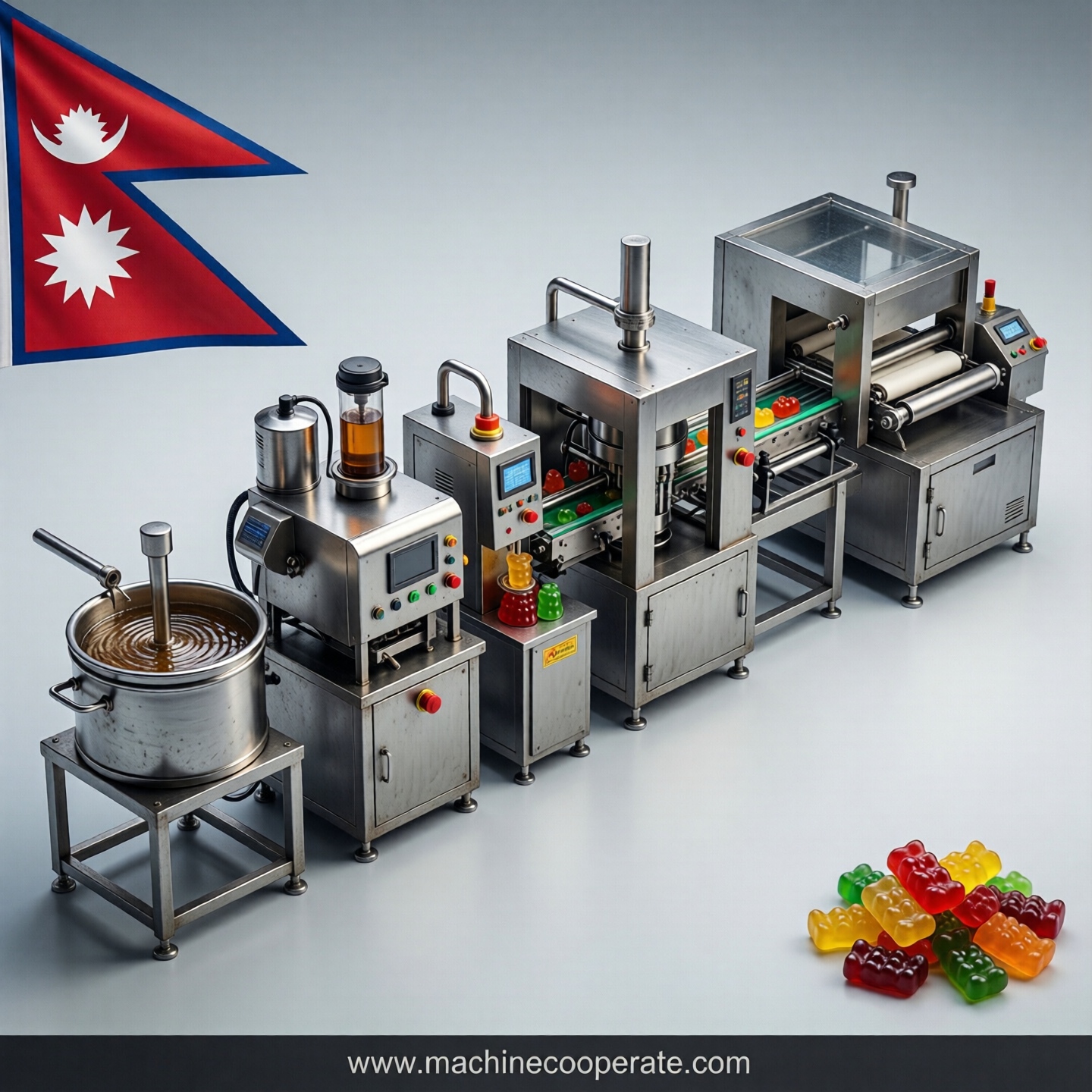
The partnership between the Nepalese confectionery company and MachineCooperate demonstrates how a well-engineered production line, combined with comprehensive after-sales service, can unlock significant operational and financial advantages. The client now enjoys a 51% gross margin, a 60% reduction in labor intensity, and a market leadership position they had not anticipated. MachineCooperate continues to work closely with the team to optimize recipes for local flavors such as mango, litchi, and cardamom, further strengthening their competitive edge. For any biscuit or candy factory seeking to enter or expand within the gummy segment, the evidence from Nepal underscores that the right machinery and the right support partner are the twin pillars of success.
Our Products
-

Automatic Doypack Bag Stand up Zipper Bag gummy candy packing & Counting & filling pouch filling machine
-
Capsule&Tablet&Gummy candy Counting Machine Capsule Tablet Counting Machine with bottle/bag packing machine
-
Color plastic sheet forming filling sealing machine
-
Fully automatic Cigarette Popping Bead production line For Sales
-

Fully Automatic Soft Gel Ball capsule Production Line
-
Gold Coin Chocolate Packaging Machine with Advanced Control Systems
-
Gummy Candy Depositor for Labs & Small-Scale Production
-
Gummy Production Line & Machinery – Free Recipes with Our Equipment – 24/7 After-Sales Support
-
Hard Candy Production Line For Sales – Free Recipes with Our Equipment – 24/7 After-Sales Support
-
High-efficiency Popping Bead Machine Fully Automatic Production Equipment for Commercial Use Popping Bead Making Artifact
-
Industrial Jelly Gummy Candy Snack Sugar Coating Pan Drum Machine/candy Surface Polishing Machine
-
Lollipop Production Line – Free Recipes with Our Equipment – 24/7 After-Sales Support