Transforming Production in Colombia A Case Study with MachineCooperate
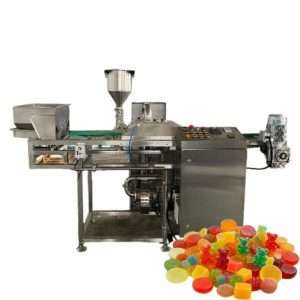
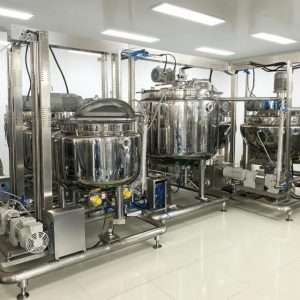
When a mid-sized confectionery manufacturer in Bogotá, Colombia, decided to expand its product line into fruit-flavored gummy candies in 2023, the company faced a critical bottleneck. Its existing batch-based cooking system could only produce 200 kilograms of gummy mass per shift, with a 35% scrap rate due to inconsistent gelatin hydration and poor temperature control. The plant manager, who had previously sourced equipment from three different suppliers, found that none offered integrated end-to-end automation. After a thorough evaluation of global vendors, the company selected MachineCooperate to supply a complete 500 kg/h continuous gummy production line. This decision would fundamentally reshape their operational metrics.
Operational Gains Measured in Double Digits
Within the first three months of commissioning, the new line delivered measurable improvements. The continuous cooking system, combined with a servo-driven depositor and a multi-zone cooling tunnel, increased throughput by 150% — from 6,000 kg per week to 15,000 kg per week. The scrap rate dropped to 3.2%, translating to a weekly material saving of 4,200 kg of glucose syrup, sugar, and gelatin. On the financial side, the client reported a 22% reduction in direct labor costs because the line required only two operators per shift instead of six. Overall production cost per kilogram fell by 18%, and the return on investment was achieved in nine months. The following table summarizes the key performance indicators before and after the MachineCooperate installation:
| Metric | Before MachineCooperate | After MachineCooperate | Change |
|---|---|---|---|
| Weekly output (kg) | 6,000 | 15,000 | +150% |
| Scrap rate | 35% | 3.2% | -90.9% |
| Operators per shift | 6 | 2 | -66.7% |
| Production cost per kg | $2.80 | $2.30 | -18% |
Beyond the raw numbers, the client’s quality assurance team recorded a 40% improvement in texture uniformity and a 50% reduction in pH variation across batches, enabling them to enter a premium private-label segment that previously required third-party toll manufacturing.
Service Beyond the Hardware
MachineCooperate distinguished itself not only through equipment performance but also through a service philosophy that began before the contract was signed. During the pre-sale phase, our engineering team conducted a virtual site survey using 3D scanning data provided by the client, which allowed us to simulate the line layout and identify a space utilization issue that saved the client $12,000 in unnecessary civil works. After installation, MachineCooperate deployed a bilingual commissioning engineer who spent 18 days on-site in Bogotá. He provided the following services:
- Comprehensive operator training for four shifts (16 employees) covering start-up, cleaning, and troubleshooting protocols, with a final hands-on exam that achieved a 100% pass rate.
- Custom recipe optimization — the engineer worked alongside the client’s R&D team to adapt their existing fruit-paste formula to the continuous cooking process, reducing cooking time from 12 minutes to 2.5 minutes while preserving flavor intensity.
- Preventive maintenance schedule development, including a spare parts inventory list tailored to local availability, which reduced average downtime from 4 hours per month to less than 30 minutes.
- Remote monitoring setup via a secure IoT gateway, enabling MachineCooperate’s after-sales team to run diagnostic checks and push firmware updates without requiring on-site visits.
- Six-month warranty extension with a guaranteed 48-hour response time for emergency spare parts — a commitment the company honored when a conveyor belt failed at 3 a.m. during a peak production run; a replacement was shipped from our Miami warehouse and arrived in Bogotá within 14 hours.
The client’s production director later commented that this level of support was “unprecedented in the Colombian confectionery industry,” and the partnership led to a second order for a dedicated starch molding line in early 2024.
Colombia’s Booming Gummy Market Why Timing Matters
The success of this case study aligns with broader market trends in Colombia. According to industry data, the Colombian confectionery market grew at a compound annual rate of 4.8% from 2019 to 2023, with the gummy segment outperforming chocolate and hard candy by nearly two percentage points. The drivers are twofold: a young demographic (median age 31) that prefers bite-sized, fruit-forward snacks, and a rapidly expanding modern retail channel where gummy candies occupy high-margin impulse-buy displays. In 2023 alone, per‑capita consumption of gummy products in Colombia reached 1.9 kg, up from 1.3 kg in 2020. Importantly, local production still accounts for only 60% of domestic supply; the remainder is imported from Brazil and the United States. This import gap presents a significant opportunity for local manufacturers who can achieve cost parity and quality consistency. MachineCooperate’s line enabled the Bogotá client to reduce its dependency on imports for a key supplier’s holiday assortment, capturing an estimated $340,000 in additional annual revenue that previously went to overseas producers.
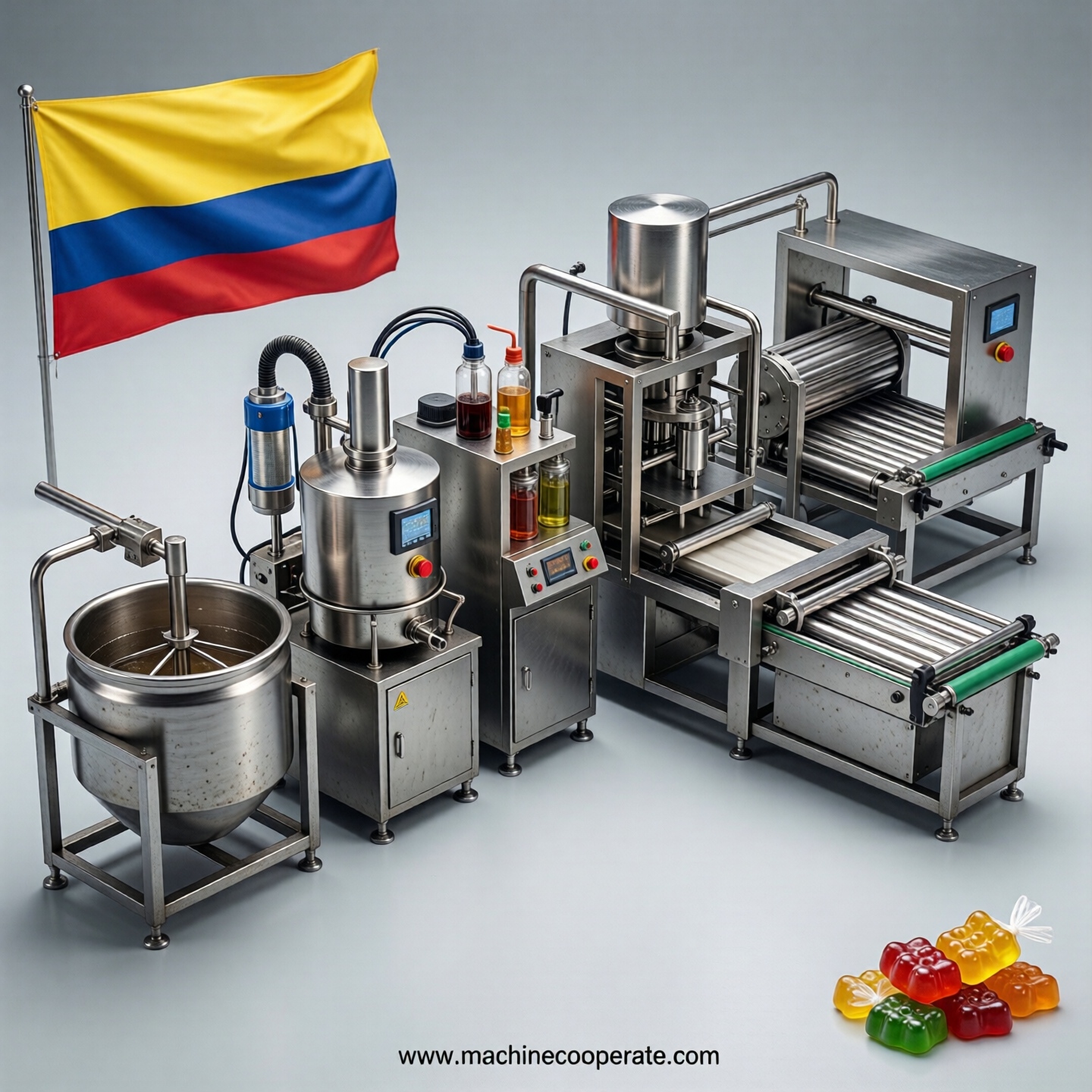
As the Colombian government continues to implement tariff reductions under the Pacific Alliance trade bloc, the cost competitiveness of locally produced gummies will only improve. For any biscuit or candy factory eyeing this growing market, the proven performance of MachineCooperate’s gummy production line — backed by concrete financial returns and comprehensive after-sales care — offers a clear roadmap to scale profitably. The Bogotá client’s experience proves that investing in integrated automation from MachineCooperate is not merely a capital expenditure but a strategic transformation that yields measurable efficiency gains, lower waste, and faster time-to-market in one of Latin America’s most dynamic confectionery sectors.
Our Products
-

Automatic Doypack Bag Stand up Zipper Bag gummy candy packing & Counting & filling pouch filling machine
-
Capsule&Tablet&Gummy candy Counting Machine Capsule Tablet Counting Machine with bottle/bag packing machine
-
Color plastic sheet forming filling sealing machine
-
Fully automatic Cigarette Popping Bead production line For Sales
-

Fully Automatic Soft Gel Ball capsule Production Line
-
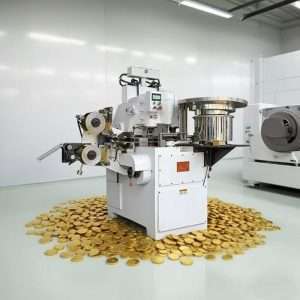
Gold Coin Chocolate Packaging Machine with Advanced Control Systems
-
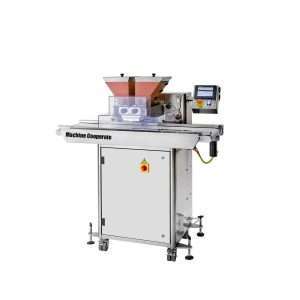
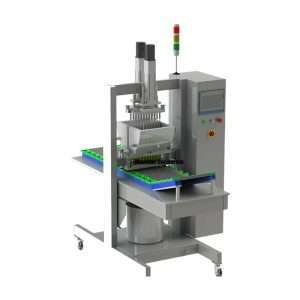
Gummy Candy Depositor for Labs & Small-Scale Production
-
Gummy Production Line & Machinery – Free Recipes with Our Equipment – 24/7 After-Sales Support
-
Hard Candy Production Line For Sales – Free Recipes with Our Equipment – 24/7 After-Sales Support
-
High-efficiency Popping Bead Machine Fully Automatic Production Equipment for Commercial Use Popping Bead Making Artifact
-
Industrial Jelly Gummy Candy Snack Sugar Coating Pan Drum Machine/candy Surface Polishing Machine
-
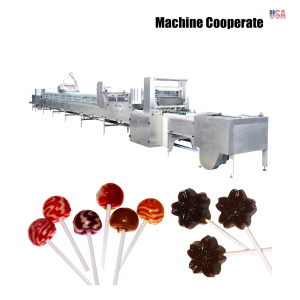
Lollipop Production Line – Free Recipes with Our Equipment – 24/7 After-Sales Support