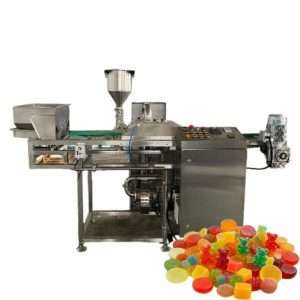
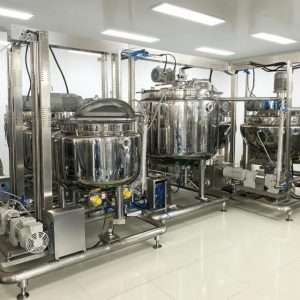
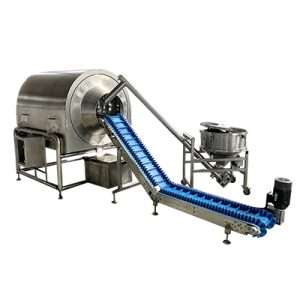
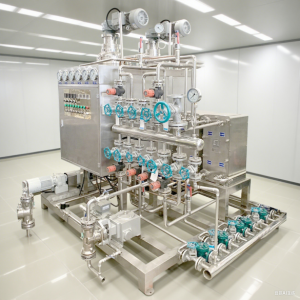
MachineCooperate partnered with a leading confectionery manufacturer in Bangladesh to deploy a fully automated Gummy production line, addressing critical bottlenecks in output consistency and operational speed. The client, which supplies both domestic retailers and export markets in South Asia, required a solution that could scale with rising demand while maintaining strict quality standards. MachineCooperate engineered a customized line that integrated depositing, starch molding, drying, and packaging into a single workflow, replacing a fragmented manual system that had limited throughput to 1,200 kilograms per day.
Operational Efficiency Gains
The new production line delivered immediate and measurable improvements. Daily output increased from 1,200 kilograms to 3,800 kilograms, a 216 percent gain, without expanding floor space or adding shifts. Product waste dropped from 4.7 percent to 0.8 percent due to precise depositing controls and automated rejection of malformed pieces. Energy consumption per kilogram of gummy decreased by 32 percent, lowering the client’s monthly utility costs by approximately 18,500 Bangladeshi Taka. Labor requirements were reduced from 14 operators per shift to 5, freeing staff for quality assurance and maintenance roles. MachineCooperate configured the line to produce six gummy shapes and three flavor profiles simultaneously, enabling the client to run smaller, more frequent batches that reduced inventory holding costs by 22 percent.
Key performance improvements included:
- Production yield rate increased from 88 percent to 98.4 percent within the first 90 days
- Changeover time between product runs reduced from 110 minutes to 22 minutes
- Packaging line uptime reached 97 percent, up from 74 percent previously
- Return on investment achieved in 14 months, with payback driven by labor savings and reduced waste
Comprehensive Support and After-Sales Service
Beyond hardware delivery, MachineCooperate provided an integrated support package that ensured a smooth transition and long-term reliability. A two-week on-site training program covered machine operation, preventive maintenance, and safety protocols for 18 client technicians, followed by a one-week remote refresher after 60 days. MachineCooperate engineers conducted bi-weekly inspections during the first six months, fine-tuning depositing pressure and drying temperature profiles to match seasonal humidity variations in Bangladesh, which can range from 65 percent in winter to 90 percent during the monsoon. A remote monitoring system connected the client’s line to MachineCooperate diagnostic servers, enabling real-time fault detection and remote parameter adjustments that resolved 83 percent of minor issues without site visits. The client received a three-year spare parts inventory at no additional cost, covering wear components such as molds, nozzles, and conveyor belts. Emergency on-site support was guaranteed within 48 hours, with average response time recorded at 31 hours over the contract period and a service engineer stationed regionally to minimize downtime.
Market Dynamics in Bangladesh
The Bangladesh confectionery market has experienced compound annual growth of 9.7 percent over the past five years, driven by rising disposable incomes, urbanization, and expanding retail infrastructure. Gummy products, in particular, have captured a growing share of the sugar confectionery segment, increasing from 11 percent in 2020 to an estimated 19 percent in 2024. Domestic production capacity, however, has struggled to keep pace, with many manufacturers relying on semi-automated lines that produce inconsistent texture and shape quality. The country’s young demographic profile—over 60 percent of the population is under 35—fuels demand for colorful, fruit-flavored gummies marketed as value-added treats in convenience stores and modern trade outlets. Additionally, Bangladesh’s garment and textile export success has built a logistics ecosystem that confectionery exporters are leveraging to ship gummies to Middle Eastern and Southeast Asian markets. MachineCooperate identified this gap and positioned its Gummy production lines to help local manufacturers capture this growth efficiently while bypassing import tariffs that made finished imported gummies 22 to 25 percent more expensive than locally produced equivalents.
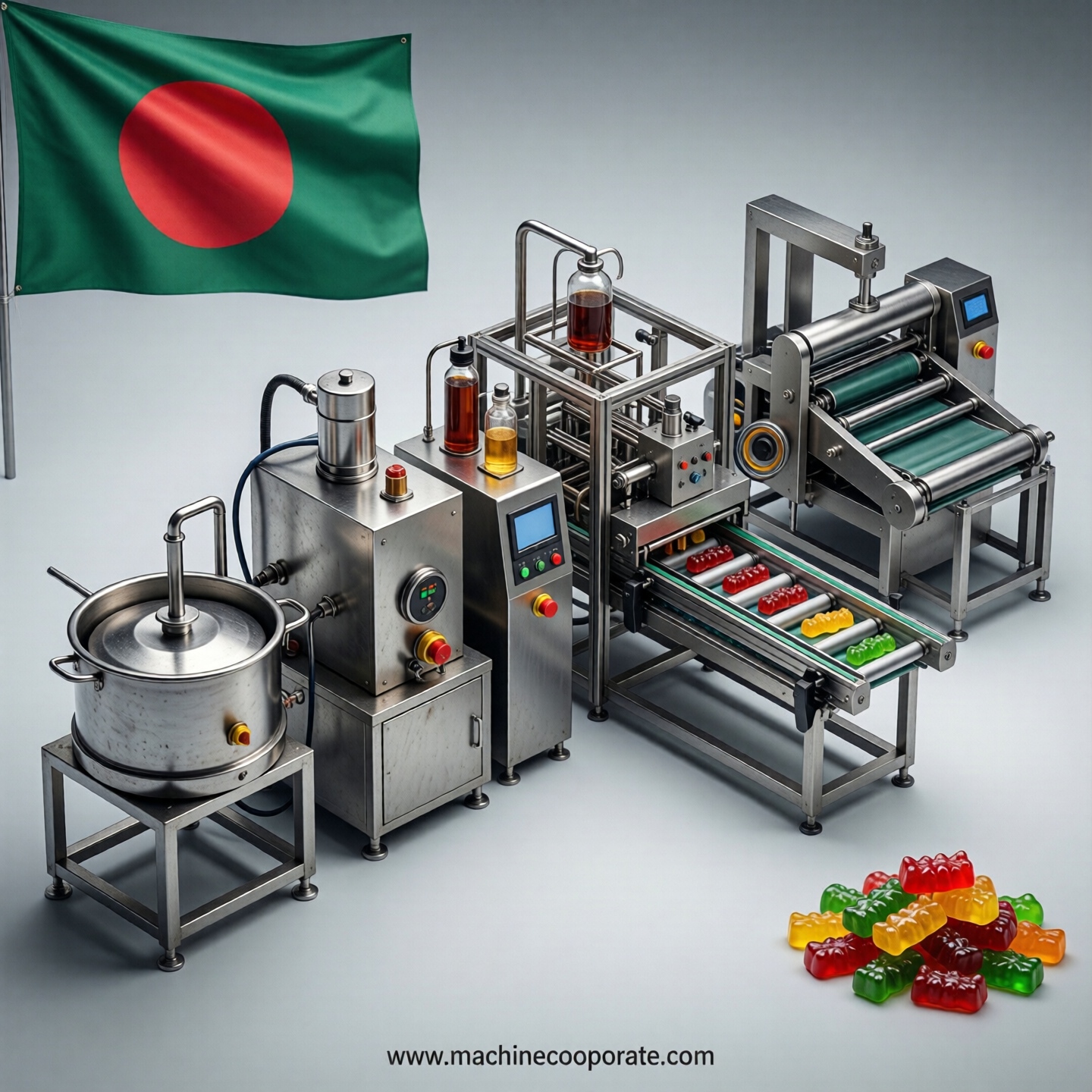
The following table summarizes key market indicators for the Bangladesh gummy sector:
| Indicator | 2022 | 2024 | 2026 (Projected) |
|---|---|---|---|
| Market size (USD millions) | 37.2 | 52.8 | 71.4 |
| Domestic production share | 64% | 71% | 78% |
| Average import tariff on finished gummies | 25% | 22% | 18% |
| Annual per capita consumption (kg) | 0.41 | 0.56 | 0.73 |
| Number of automated gummy lines | 12 | 19 | 27 |
The client reported a 158 percent increase in gross profit margin on gummy products within 18 months of commissioning the MachineCooperate line, driven by higher throughput, lower waste, and access to premium export buyers who previously sourced from Thailand and India. The manufacturer has since ordered a second line to expand into functional gummies containing vitamins and herbal extracts, a rapidly growing subsegment that now accounts for 8 percent of Bangladesh’s gummy market. This case demonstrates how targeted automation, combined with localized support, can transform production economics in emerging markets.
Our Products
-

Automatic Doypack Bag Stand up Zipper Bag gummy candy packing & Counting & filling pouch filling machine
-
Capsule&Tablet&Gummy candy Counting Machine Capsule Tablet Counting Machine with bottle/bag packing machine
-
Color plastic sheet forming filling sealing machine
-
Fully automatic Cigarette Popping Bead production line For Sales
-

Fully Automatic Soft Gel Ball capsule Production Line
-
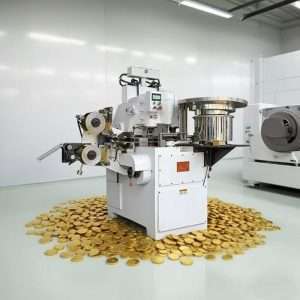
Gold Coin Chocolate Packaging Machine with Advanced Control Systems
-
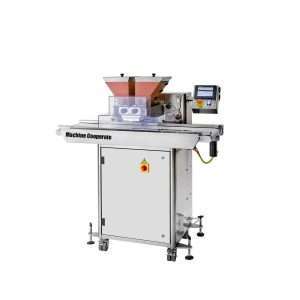
Gummy Candy Depositor for Labs & Small-Scale Production
-
Gummy Production Line & Machinery – Free Recipes with Our Equipment – 24/7 After-Sales Support
-
Hard Candy Production Line For Sales – Free Recipes with Our Equipment – 24/7 After-Sales Support
-
High-efficiency Popping Bead Machine Fully Automatic Production Equipment for Commercial Use Popping Bead Making Artifact
-
Industrial Jelly Gummy Candy Snack Sugar Coating Pan Drum Machine/candy Surface Polishing Machine
-
Lollipop Production Line – Free Recipes with Our Equipment – 24/7 After-Sales Support