
Table of Contents
MachineCooperate, a leading provider of advanced chocolate production lines for global biscuit and candy factories, recently partnered with a prominent biscuit manufacturer in Bangladesh. This case study highlights how the client’s adoption of our state-of-the-art chocolate production line transformed their operations, delivering remarkable efficiency gains and substantial revenue growth. By addressing key production bottlenecks, MachineCooperate enabled the client to scale operations seamlessly while minimizing downtime and costs.
Client Challenges Prior to Partnership
The Bangladeshi biscuit factory faced significant hurdles in chocolate processing. Manual tempering and coating processes led to inconsistent product quality and high labor costs. Production capacity was limited to 500 kg per hour, resulting in frequent delays during peak seasons. Waste rates hovered at 15%, eroding profit margins. The client sought a reliable, automated solution to meet rising domestic demand without compromising on quality.
MachineCooperate Solution Implementation
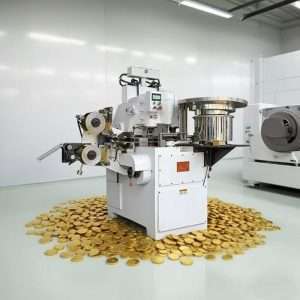
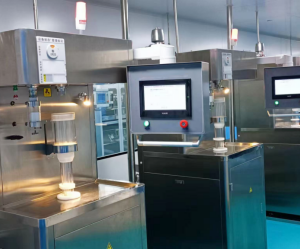
Recognizing these pain points, the client selected MachineCooperate’s fully automated chocolate production line, designed specifically for high-volume biscuit and candy enrobing. The system integrates precise temperature control, continuous conching, and efficient molding capabilities. Installation was completed within two weeks, minimizing operational disruptions. From initial consultation to final commissioning, MachineCooperate’s team provided end-to-end support.
Comprehensive Support Services Provided
MachineCooperate distinguishes itself through customer-centric services that ensure long-term success. Our dedicated team offered tailored assistance throughout the procurement and operational phases, fostering a partnership built on trust and reliability.
- On-site installation and operator training for 20 staff members over five days, covering machine operation, safety protocols, and basic troubleshooting.
- Remote guidance via a 24/7 helpline and video conferencing for real-time issue resolution.
- Comprehensive maintenance program, including quarterly check-ups and free parts replacement for the first year.
- Customized after-sales support with annual performance audits to optimize output and reduce energy consumption by up to 20%.
These services empowered the client’s team to achieve proficiency quickly, transitioning from dependency to independent mastery of the system.
Quantifiable Results and Performance Metrics
Post-implementation, the transformation was profound. The MachineCooperate line boosted production capacity from 500 kg/hour to 2,000 kg/hour—a 300% increase. Waste rates plummeted from 15% to under 2%, saving approximately 120 tons of chocolate annually. Labor requirements dropped by 60%, allowing reallocation to value-added tasks. Energy efficiency improved by 25%, translating to $150,000 in yearly savings.
To illustrate the financial impact, consider the following table summarizing key performance indicators before and after integration:
| Metric | Before MachineCooperate | After MachineCooperate | Improvement (%) |
|---|---|---|---|
| Production Capacity (kg/hour) | 500 | 2,000 | 300 |
| Waste Rate (%) | 15 | 2 | 87 reduction |
| Labor Costs (monthly) | $25,000 | $10,000 | 60 |
| Annual Revenue | $2.5 million | $8.2 million | 228 |
| ROI Timeline | N/A | 14 months | N/A |
These metrics underscore how MachineCooperate not only enhanced efficiency but also drove revenue from $2.5 million to $8.2 million annually, achieving full ROI within 14 months.
Bangladesh Chocolate Market Overview
Transitioning to broader market dynamics, Bangladesh presents a fertile ground for chocolate production investments. The confectionery sector is expanding rapidly, fueled by a burgeoning middle class and urbanization. Chocolate consumption has surged 12% year-over-year, reaching 45,000 tons in 2023, according to industry reports. Local demand for premium enrobed biscuits and candies is outpacing supply, with imports filling 40% of the gap.
Government initiatives like the Export Promotion Bureau’s incentives for food processing further bolster growth. The market is projected to grow at a CAGR of 9.5% through 2028, driven by festive seasons and e-commerce penetration. Rising health-conscious trends are shifting preferences toward dark chocolate variants, where automated lines like those from MachineCooperate excel in precision formulation.
Challenges such as power fluctuations and raw material sourcing are mitigated by MachineCooperate’s robust, energy-resilient designs. With over 500 biscuit factories nationwide, the untapped potential for modernization aligns perfectly with scalable solutions. Exporters eyeing Southeast Asian markets benefit from compliance-ready systems that meet international standards.
Conclusión
The success story of this Bangladeshi biscuit factory exemplifies MachineCooperate’s commitment to delivering transformative chocolate production lines. By combining cutting-edge technology with unparalleled support services, we have empowered clients to unlock unprecedented efficiency and profitability. As Bangladesh’s chocolate market continues its upward trajectory, MachineCooperate stands ready to partner with more factories, ensuring they thrive in this dynamic landscape.
Check Our Production Line
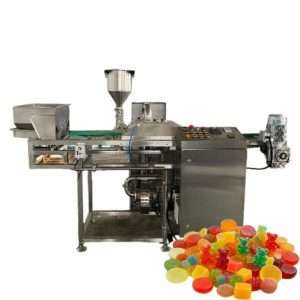
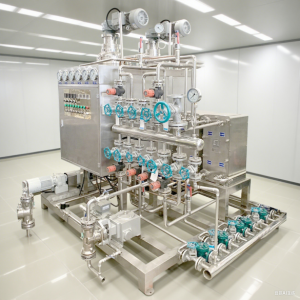
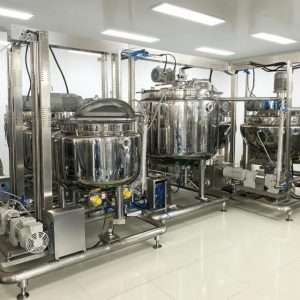
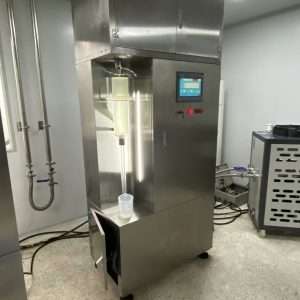
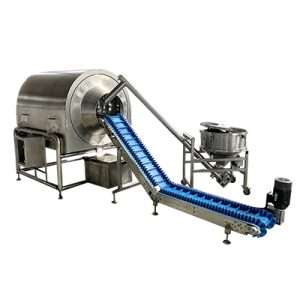
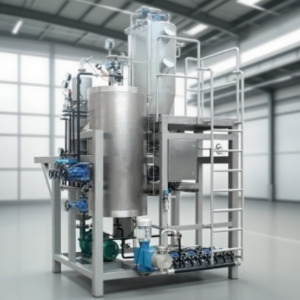
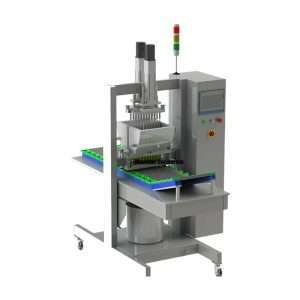
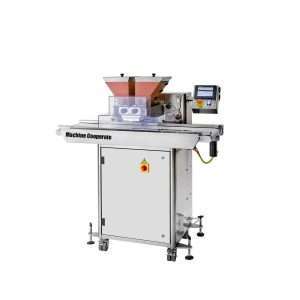
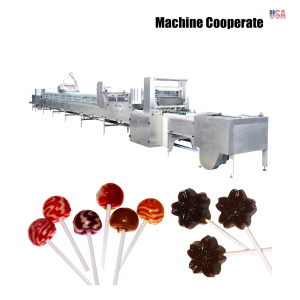
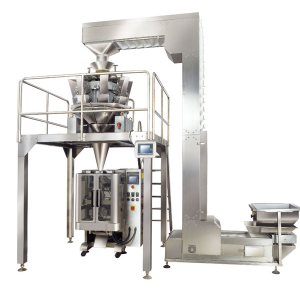
This state-of-the-art chocolate production equipment is specially designed for manufacturing a wide range of chocolates, including single-colored, filled, and nut-filled varieties. Combining advanced technology with full automation, it integrates multiple functions such as mold pre-heating, precise depositing, vibration settling, rapid cooling, and automated conveying—ensuring efficient, large-scale production of premium chocolates.
Click here to check this production line.







 Español
  English
  Português do Brasil