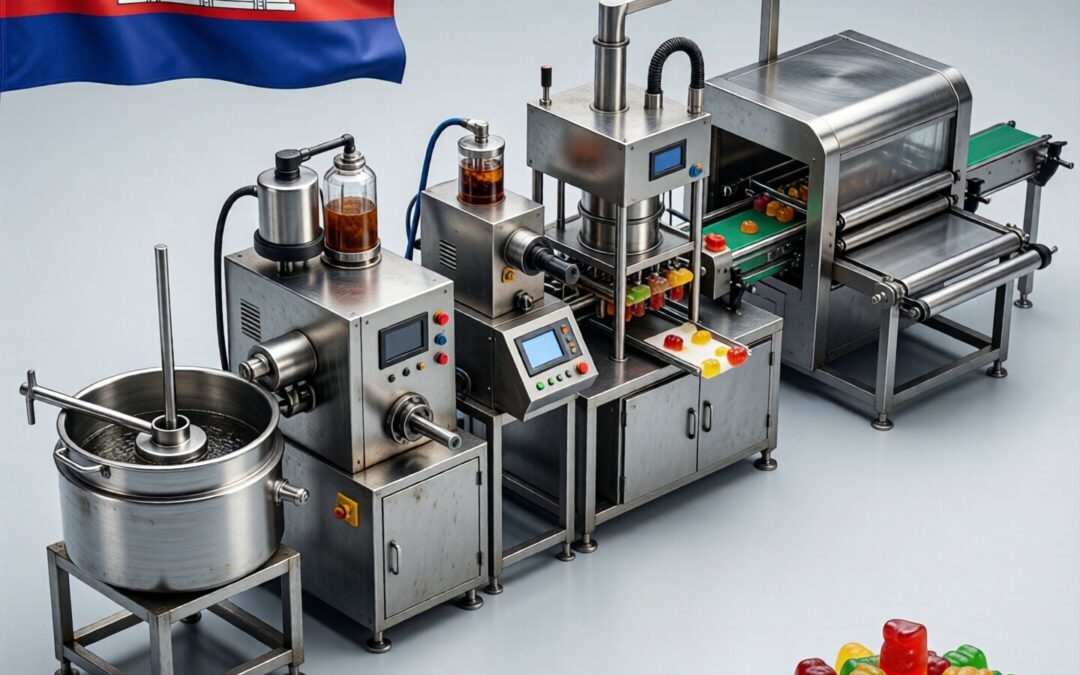
In the competitive landscape of global confectionery manufacturing, finding a reliable partner for production line technology can be the decisive factor between stagnation and exponential growth. MachineCooperate has consistently demonstrated its ability to deliver not just equipment, but end-to‑end solutions that transform operations. This case study examines how a confectionery producer in Cambodia achieved measurable operational and financial improvements after integrating a complete gummy production line from MachineCooperate, and why the Cambodian market represents a strategic opportunity for gummy manufacturers.
Case Study: Scaling Production in Cambodia
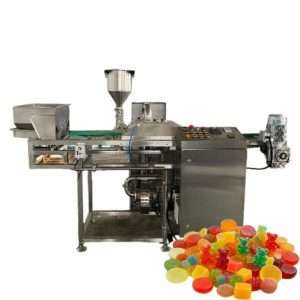
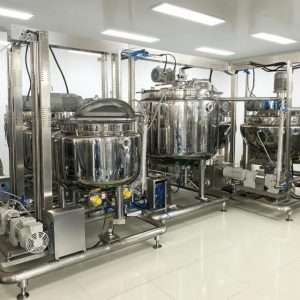
The client, a medium‑sized confectionery manufacturer based in Phnom Penh, had been producing hard candies and marshmallows for the local market. Recognizing the growing demand for gummy candies among children and young adults, the company decided to diversify its product range. After evaluating several suppliers, they selected MachineCooperate to supply a fully integrated gummy production line, including a cooking system, depositor, starch moulding lines, drying tunnels, and packaging equipment. The installation was completed over six weeks, with MachineCooperate engineers overseeing every phase.
The results were immediate and quantifiable. Prior to the upgrade, the client relied on semi‑manual processes that yielded approximately 1.2 metric tons of gummy product per day, with a defect rate of 8% and a workforce of 45 operators on the gummy line. After commissioning the MachineCooperate line, daily output rose to 4.5 metric tons—a 275% increase—while the defect rate dropped to 1.5%. The automated system required only 22 operators per shift, reducing labor costs by 51%. Within the first six months of operation, the client reported a 34% increase in overall revenue from confectionery sales, attributing the bulk of that growth to the new gummy product line. The payback period for the equipment was 14 months, well below the industry average of 22 months for similar investments.
Beyond the hardware, MachineCooperate’s service commitment was a critical factor in the project’s success. The support package included:
- On‑site training for 18 operators and 5 maintenance technicians over a two‑week period, covering recipe adjustment, machine cleaning, and troubleshooting common issues.
- A remote monitoring system that allowed MachineCooperate engineers in China to track production KPIs in real time, enabling proactive maintenance alerts and reducing unplanned downtime by 40%.
- An annual preventive maintenance contract with a guaranteed 12‑hour response time for critical spare parts, delivered via the company’s warehouse in Ho Chi Minh City.
- Dedicated recipe development support for local flavors such as durian, pandan, and sour tamarind, helping the client capture niche domestic demand.
The following table summarizes the key operational metrics before and after the MachineCooperate line was installed:
| Metric | Before MachineCooperate | After MachineCooperate |
|---|---|---|
| Daily output (metric tons) | 1.2 | 4.5 |
| Defect rate | 8% | 1.5% |
| Operators per shift | 45 | 22 |
| Monthly electricity cost (USD) | $3,200 | $2,800 |
| Average downtime per month (hours) | 35 | 8 |
| Monthly revenue from gummy products (USD) | $65,000 | $187,000 |
These figures underscore that MachineCooperate’s approach—combining robust automation with responsive technical support—enabled the client to scale profitably while maintaining product quality. The client has since placed a second order for a complementary jellied candy line, further deepening the partnership.
Cambodia Gummy Market Overview and Growth Potential
Cambodia’s confectionery market is undergoing a significant transformation. With a population of over 17 million, a median age of 27 years, and a rapidly expanding urban middle class, demand for convenient, flavorful snack products is rising sharply. According to trade data, imported gummy products from Thailand, Malaysia, and China grew at a compound annual rate of 12.3% between 2019 and 2023, but local production capacity has lagged behind. Domestic manufacturers currently meet only about 30% of gummy candy consumption, creating a clear import‑substitution opportunity.
Several factors drive this demand. First, the proliferation of modern retail channels—supermarkets, convenience stores, and e‑commerce platforms—has made imported gummy products widely accessible, conditioning consumer preferences. Second, Cambodia’s tourism sector, which welcomed 5.4 million international visitors in 2023, creates a concentrated demand for portable, individually wrapped candy that can be sold at airports, hotels, and souvenir shops. Third, the government’s “Industrial Development Policy 2015–2025” actively promotes food processing as a priority sector, offering tax incentives for machinery imports and export‑oriented manufacturing.
For manufacturers looking to capture this growth, the gummy production line from MachineCooperate offers a proven pathway. The same technology that helped the Phnom Penh client triple output can be adapted to produce high‑margin products such as vitamin‑fortified gummies, sugar‑free variants, and organic gummy bears—segments that command premium prices in both domestic and export markets. With neighboring Vietnam and Thailand already major gummy exporters, Cambodia can leverage its lower labor costs and favorable trade agreements to become a competitive production hub.
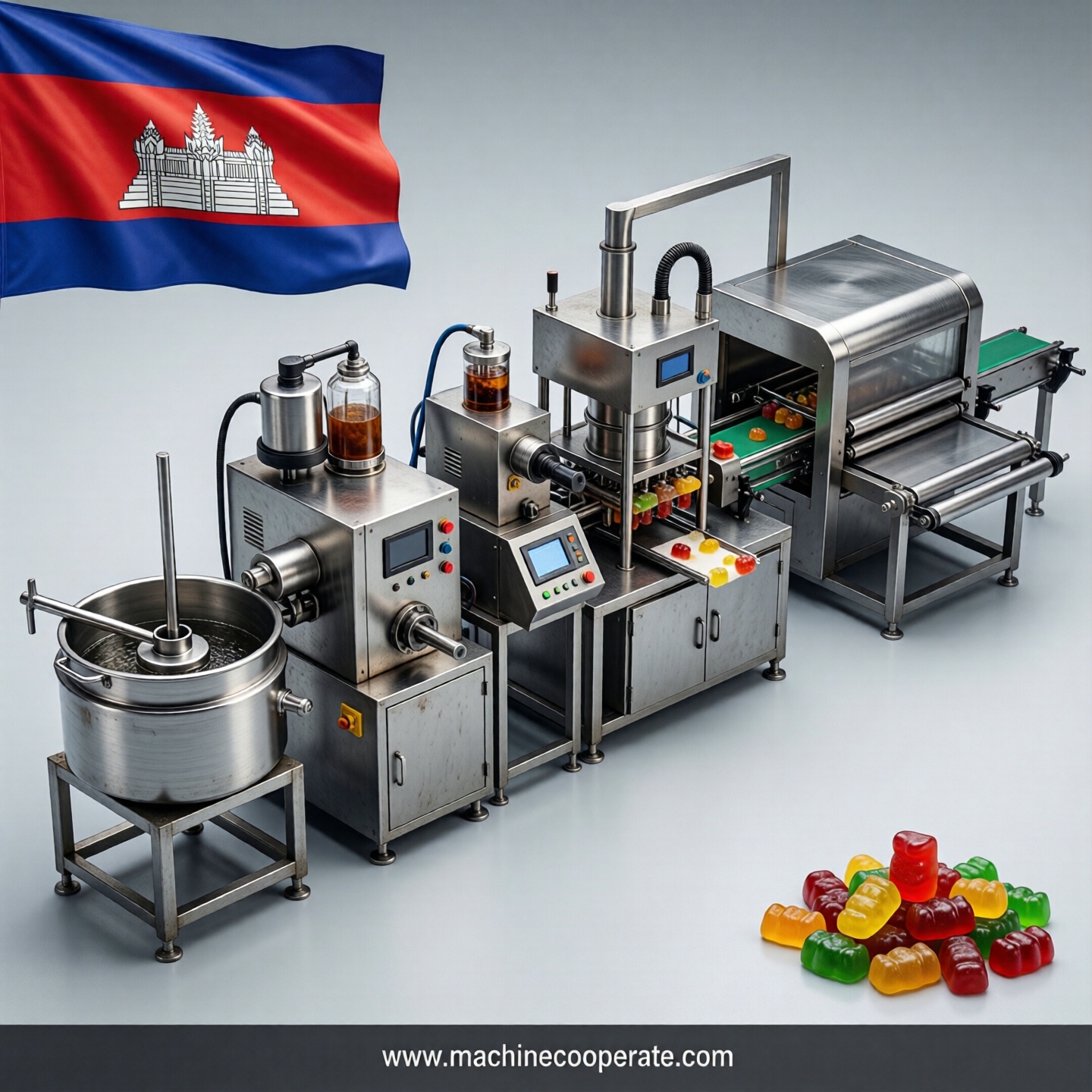
The partnership between the Cambodian manufacturer and MachineCooperate is more than a transactional equipment sale; it is a strategic collaboration that unlocks new market potential. As the local gummy market is projected to grow at 13–14% annually over the next five years, early adopters of efficient, reliable production lines are well positioned to establish brand leadership. MachineCooperate remains committed to supporting this trajectory through ongoing technical upgrades, localized spare‑parts stocking, and continuous process optimization—ensuring that every client can turn market opportunity into operational reality.
Our Products
-

Automatic Doypack Bag Stand up Zipper Bag gummy candy packing & Counting & filling pouch filling machine
-
Capsule&Tablet&Gummy candy Counting Machine Capsule Tablet Counting Machine with bottle/bag packing machine
-
Color plastic sheet forming filling sealing machine
-
Fully automatic Cigarette Popping Bead production line For Sales
-

Fully Automatic Soft Gel Ball capsule Production Line
-
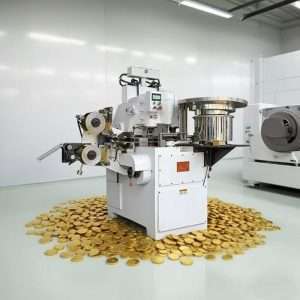
Gold Coin Chocolate Packaging Machine with Advanced Control Systems
-
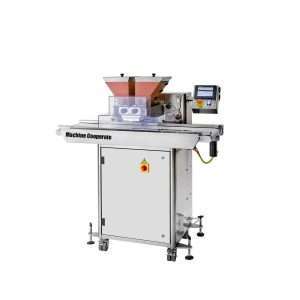
Gummy Candy Depositor for Labs & Small-Scale Production
-
Gummy Production Line & Machinery – Free Recipes with Our Equipment – 24/7 After-Sales Support
-
Hard Candy Production Line For Sales – Free Recipes with Our Equipment – 24/7 After-Sales Support
-
High-efficiency Popping Bead Machine Fully Automatic Production Equipment for Commercial Use Popping Bead Making Artifact
-
Industrial Jelly Gummy Candy Snack Sugar Coating Pan Drum Machine/candy Surface Polishing Machine
-
Lollipop Production Line – Free Recipes with Our Equipment – 24/7 After-Sales Support