In the competitive landscape of confectionery manufacturing, operational efficiency and product quality are paramount. For mid-sized producers in emerging markets, acquiring the right production technology can be the difference between struggling with inconsistent output and dominating a growing snack segment. This case study examines how a confectionery manufacturer based in Kampala, Uganda, transformed its operations after partnering with MachineCooperate to install a complete gummy production line. The results, measured in hard metrics over a twelve-month period, demonstrate a clear path from manual bottlenecks to automated profitability.
The Client Background and Initial Challenge
The Ugandan client, a family-owned business with fifteen years of experience in candy and biscuit production, recognized a surging demand for gummy candies among urban youth and young professionals in the East African Community. Prior to engaging MachineCooperate, their production relied on batch cooking with open kettles and manual starch mogul systems, achieving a maximum output of only 250 kilograms of gummy candies per shift. Their rejection rate due to inconsistent texture, air bubbles, and improper starch residue was a painful 12 percent. The client’s leadership team calculated that they were losing approximately 18,000 USD per month in wasted raw materials and missed sales opportunities. They needed a partner who could deliver a turnkey solution capable of scaling their volume while drastically reducing waste.
The MachineCooperate Solution and Service Excellence
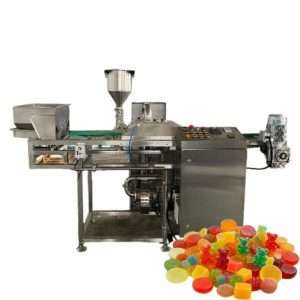
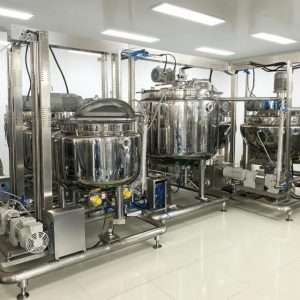
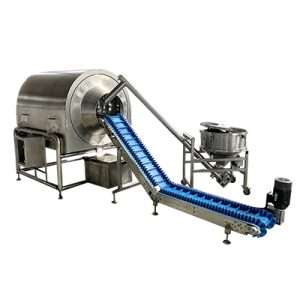
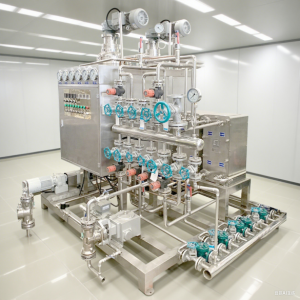
MachineCooperate designed a modular gummy production line tailored to the specific humidity and ingredient availability conditions of Uganda. The line included a continuous vacuum cooker, a depositor with servo-driven pumps, a multi-stage drying tunnel, and an oiling and packaging integration system. However, the defining factor for the client was not merely the hardware but the comprehensive service framework. MachineCooperate provided two specialized engineers who travelled to Kampala for a full fourteen-day on-site installation and commissioning. During this period, they trained twelve local operators and three maintenance technicians. The training covered not only machine operation but also recipe optimization for local glucose syrup and gelatin sources, crucial for maintaining the desired chewiness in a tropical climate. A dedicated remote support channel was established, offering real-time troubleshooting via video calls. MachineCooperate also supplied a customized spare parts kit and scheduled quarterly preventive maintenance visits for the first two years of operation.
Quantifiable Results and Operational Transformation
Once the line reached steady-state production, the improvements were dramatic and immediately measurable. The client moved from a purely shift-based output to a semi-continuous process that could run for eighteen hours per day with minimal manual intervention. The following table outlines the key performance indicators before and after the intervention, using data averaged over the first six months of full production.
| Performance Metric | Before MachineCooperate Line | After MachineCooperate Line |
|---|---|---|
| Daily Output (24 kg boxes) | 32 boxes | 172 boxes |
| Product Rejection Rate | 12.0% | 1.8% |
| Labor Cost per Kilogram | 0.64 USD | 0.21 USD |
| Energy Cost per Batch | 42.00 USD | 29.00 USD |
| Time to Market (order to shipment) | 14 days | 4 days |
Beyond the direct metrics, the client experienced several critical benefits that solidified their market position. The reduction in rejection rate alone saved an estimated 14,400 USD annually in raw materials. The increased output capacity enabled them to secure two large-volume contracts with a regional supermarket chain and a hotel supply distributor, contracts which had previously been unattainable due to volume constraints. The improved consistency of the gummy texture, specifically the absence of sticky surfaces and the uniform shape, led to a 22 percent increase in repeat orders from local retailers within three months. Furthermore, the labor cost reduction allowed the client to reallocate eleven workers to higher-value tasks such as quality assurance and new product development, boosting overall facility morale and skill levels.
Key Advantages Delivered by MachineCooperate
The client specifically highlighted several elements of the MachineCooperate approach as being instrumental to their success. These advantages are summarized in the list below, reflecting direct feedback from the factory manager and the production director.
- Targeted formulation training that adapted MachineCooperate’s standard recipes to work with locally sourced glucose syrup, reducing import dependency by 30 percent.
- A comprehensive two-year spare parts support agreement that ensured less than 1 percent unplanned downtime in the first year, compared to an estimated 8 percent downtime with manual systems.
- Remote diagnostics capability that allowed MachineCooperate engineers to identify a minor conveyor belt misalignment within two hours, preventing a potential eight-hour production stoppage.
- On-site hygiene protocol consulting, which helped the client achieve a 96 percent score in a surprise food safety audit conducted by a major retailer.
- Flexible financing options provided through MachineCooperate’s trade finance partners, enabling the client to upgrade without disrupting working capital for raw material procurement.
The combination of these service layers meant that the client did not just buy a machine; they gained a production partner who was invested in the long-term success of their gummy line. The client reported that the initial communication with MachineCooperate was notably transparent, with clear timelines and a detailed breakdown of all costs, including shipping and customs clearance to Mombasa port. This upfront honesty built a foundation of trust that carried through the entire project.
Market Dynamics for Gummy Candies in Uganda
The decision to invest in a high-capacity gummy production line was timely. Uganda’s confectionery market is experiencing a structural shift driven by a young, rapidly urbanizing population with rising disposable income. The average age in Uganda is under seventeen years, and the snacking culture is expanding beyond traditional biscuits and hard-boiled candies into softer, more playful formats like gummies. Import data from the Uganda Bureau of Statistics indicates that gummy candy imports grew by 34 percent in volume between 2020 and 2023, yet domestic production capacity has lagged, creating a supply gap that local manufacturers are eager to fill. Retail prices for imported gummy brands can be 40 to 60 percent higher than locally produced alternatives, giving domestic producers significant pricing power if they can match the texture and shelf stability of imports. Moreover, the East African Community’s common external tariff provides a protective buffer of 25 percent on imported finished confectionery, further incentivizing local production. The client found that by using the MachineCooperate line, they could price their gummy products 22 percent below the leading import brand while maintaining a healthier gross margin of 38 percent, compared to 19 percent on their legacy candy lines. This margin improvement created a virtuous cycle, enabling reinvestment in marketing and distribution into secondary cities like Jinja and Mbale.
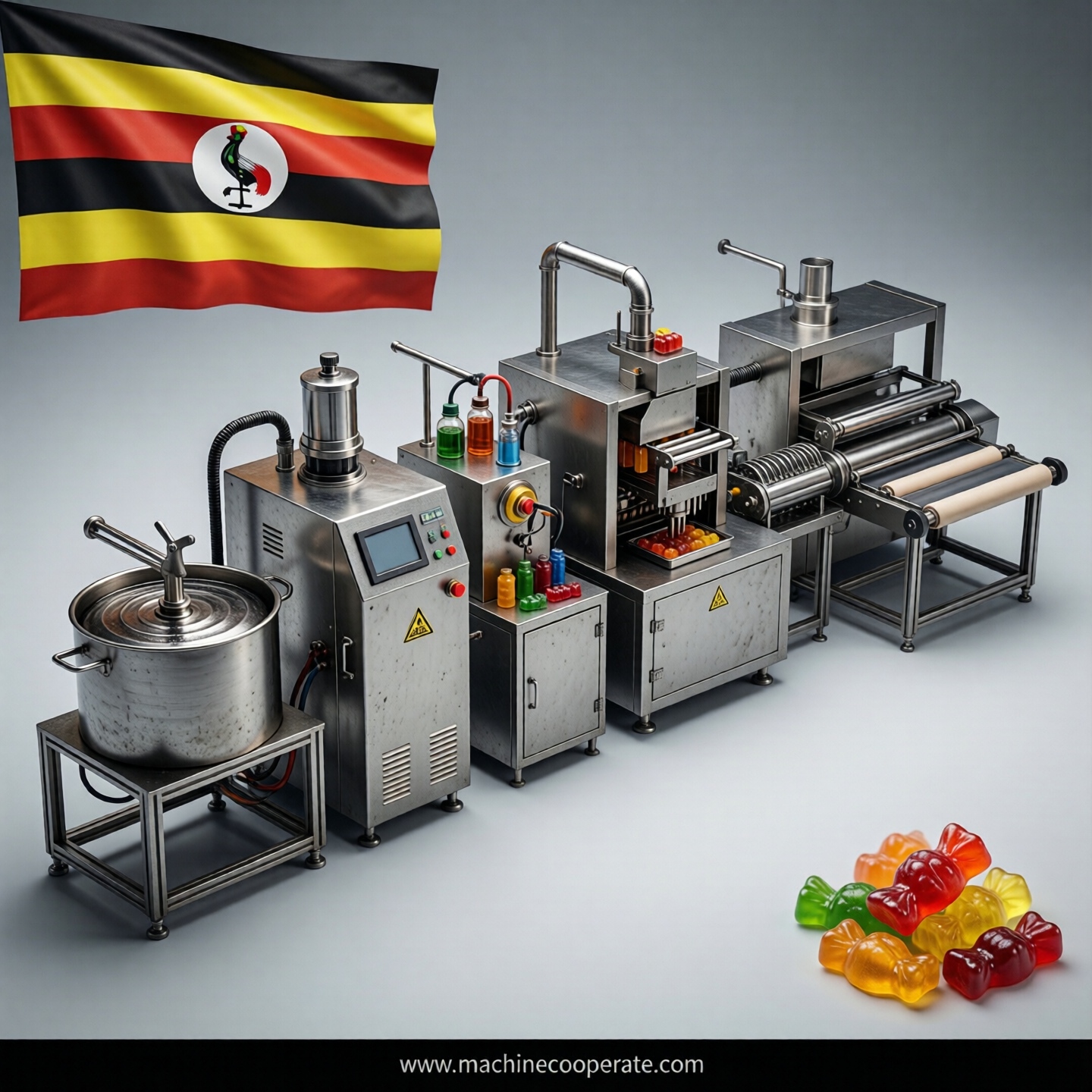
The partnership with MachineCooperate has positioned the Ugandan client as a regional leader in gummy production. Their output now supplies network of over four hundred retail points, and they have begun exploratory discussions with distributors in Rwanda and the Democratic Republic of Congo. The technology and service framework provided by MachineCooperate directly addressed the core pain points of waste, inconsistency, and labor intensity. By combining robust engineering with hands-on training and responsive after-sales support, MachineCooperate delivered not just a production line, but a scalable foundation for capturing a growing market. The client’s return on investment, calculated on total installed cost versus incremental net profit, was achieved in just fourteen months, a timeline that significantly exceeded their initial projections. This case underscores that for manufacturers in growth markets, the choice of equipment partner is as critical as the equipment itself. MachineCooperate continues to support the client through its evolving product mix, demonstrating that a well-executed partnership creates value that compounds over time.
Our Products
-

Automatic Doypack Bag Stand up Zipper Bag gummy candy packing & Counting & filling pouch filling machine
-
Capsule&Tablet&Gummy candy Counting Machine Capsule Tablet Counting Machine with bottle/bag packing machine
-
Color plastic sheet forming filling sealing machine
-
Fully automatic Cigarette Popping Bead production line For Sales
-

Fully Automatic Soft Gel Ball capsule Production Line
-
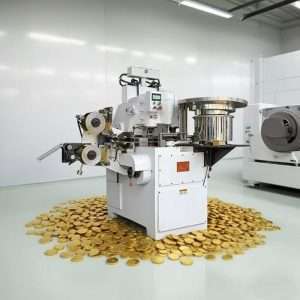
Gold Coin Chocolate Packaging Machine with Advanced Control Systems
-
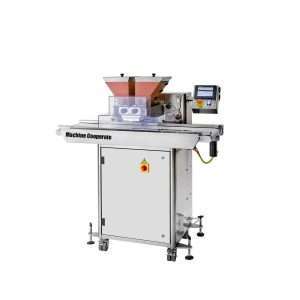
Gummy Candy Depositor for Labs & Small-Scale Production
-
Gummy Production Line & Machinery – Free Recipes with Our Equipment – 24/7 After-Sales Support
-
Hard Candy Production Line For Sales – Free Recipes with Our Equipment – 24/7 After-Sales Support
-
High-efficiency Popping Bead Machine Fully Automatic Production Equipment for Commercial Use Popping Bead Making Artifact
-
Industrial Jelly Gummy Candy Snack Sugar Coating Pan Drum Machine/candy Surface Polishing Machine
-
Lollipop Production Line – Free Recipes with Our Equipment – 24/7 After-Sales Support