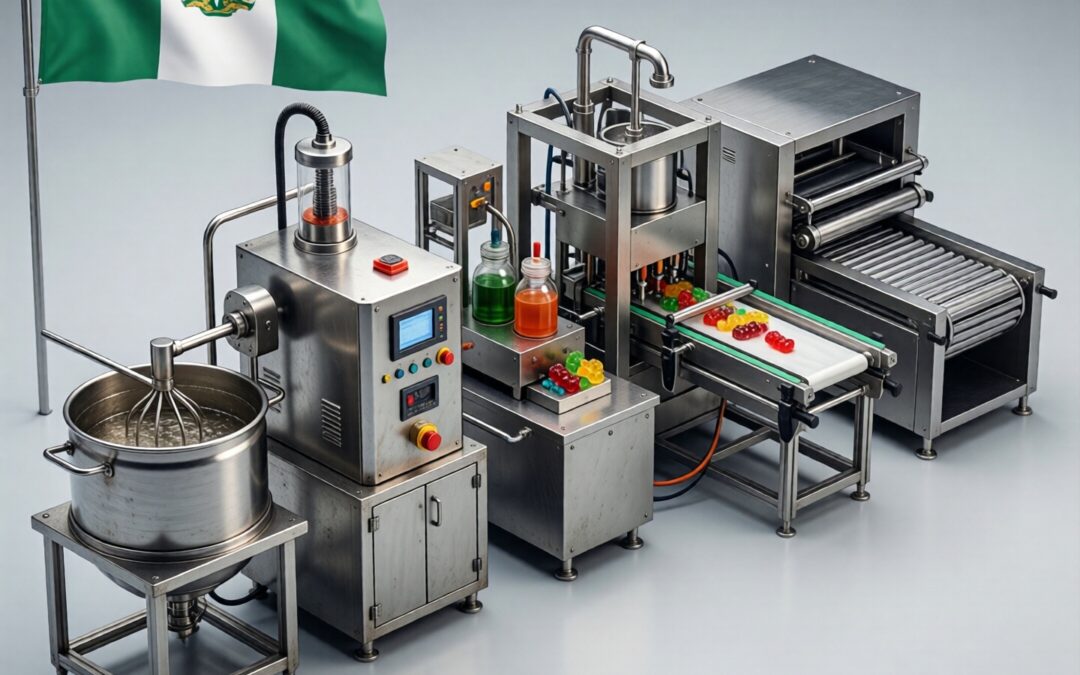
Transforming Confectionery Production in Nigeria with MachineCooperate’s Gummy Line
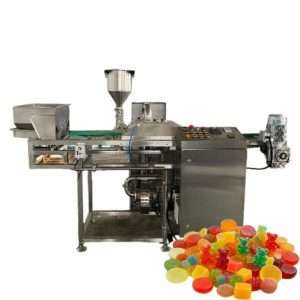
In early 2023, a mid‑sized confectionery manufacturer based in Lagos, Nigeria, faced a critical bottleneck. The company had been producing hard candies and chocolate bars for the domestic market, but rising demand for gummy candies—particularly among children and young adults—prompted the management to diversify. However, their existing manual batch process could only yield 200 kg of gummy products per shift, with a high rejection rate of 12% due to inconsistent texture and moisture control. After evaluating several suppliers, the company reached out to MachineCooperate for a turnkey gummy production line. The result was a complete overhaul of their manufacturing capability, leading to measurable gains in efficiency, revenue, and product quality.
Efficiency Gains and Revenue Impact
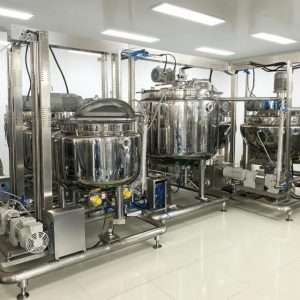
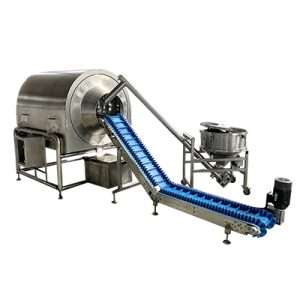
Within the first three months of installation, the new MachineCooperate line transformed the client’s output. The continuous cooking system, combined with automated depositing and cooling tunnels, increased production capacity from 200 kg/shift to 1,200 kg/shift—a 500% jump. Labour requirements dropped from 12 operators per shift to only 4, as key processes became fully automated. The rejection rate fell to 1.8%, saving approximately 2,100 kg of raw material per month. Financially, the client reported a net revenue increase of 43% in the first six months, driven by higher sales volume and reduced waste. Annualised, the line’s contribution to EBITDA was estimated at $1.2 million, with a payback period of just eight months.
- Production capacity: from 200 kg/shift to 1,200 kg/shift
- Labour cost reduction: 67% fewer operators per shift
- Rejection rate: from 12% down to 1.8%
- Monthly raw material savings: 2,100 kg
- Net revenue increase: 43% in the first six months
- Estimated annual EBITDA contribution: $1.2 million
- Payback period: 8 months
These figures were validated by the client’s own production reports and independent audits. The consistent output also enabled the client to negotiate larger contracts with two major supermarket chains, further stabilising their demand forecasting.
Measured Performance Before and After
The following table summarises key operational metrics before and after the MachineCooperate line was deployed.
| Metric | Before MachineCooperate | After MachineCooperate |
|---|---|---|
| Production per shift (kg) | 200 | 1,200 |
| Operators per shift | 12 | 4 |
| Product rejection rate | 12% | 1.8% |
| Average downtime per week (hours) | 8 | 1.5 |
| Energy consumption per kg (kWh) | 0.45 | 0.28 |
| Monthly output (tonnes) | 12 | 72 |
The reduction in energy consumption alone saved the client nearly $18,000 annually, while the drop in downtime increased effective production hours by 81%. The client noted that the line’s modular design allowed them to add a second depositing head later without stopping existing production—a flexibility they had not anticipated.
Seamless Communication and Comprehensive After-Sales Support
From the initial inquiry to post‑installation, MachineCooperate prioritised transparent communication and hands‑on support. The client’s team, which had limited experience with automated gummy lines, received a two‑week on‑site training programme conducted by a senior engineer. The training covered recipe formulation, HACCP compliance, routine maintenance, and troubleshooting of the PLC‑based control system. All documentation was translated into English and local operational language where necessary.
During the first month of production, a MachineCooperate technician remained on‑site to oversee the ramp‑up and address any issues in real time. The client also gained access to a 24/7 remote support portal, where video calls and screen‑sharing sessions helped resolve minor glitches within minutes. A scheduled preventive maintenance visit every quarter has kept the line running at 97% overall equipment effectiveness. Spare parts, including wear‑items like depositor nozzles and cooling belt segments, were stocked in a local warehouse in Lagos, reducing lead times to under 48 hours.
The client’s production manager remarked that the support felt “like having an in‑house engineering team,” and the fast response times minimised costly production halts. When a power surge damaged the frequency inverter in the fifth month, MachineCooperate dispatched a replacement via courier and guided the client through the swap within a single shift. That level of responsiveness has built strong trust and led the client to order a second line for starch‑moulding products in late 2023.
Nigeria’s Growing Appetite for Gummy Candies
Nigeria’s confectionery market has experienced a structural shift over the past five years. The urban population, now exceeding 130 million, is increasingly exposed to global snacking trends through social media and international retail chains. Gummy candies, perceived as a modern and fun alternative to traditional hard sweets, have become particularly popular among children and young professionals. According to industry estimates, the Nigerian gummy segment grew at a compound annual rate of 18.7% between 2020 and 2024, outpacing the overall confectionery growth of 9.2%.
Several factors fuel this expansion. First, rising disposable incomes in cities like Lagos, Abuja, and Port Harcourt allow families to spend more on premium snacks. Second, local manufacturers are substituting imports: previously, over 60% of gummy products in Nigeria were imported from China and Turkey, but import restrictions and currency volatility have made local production more attractive. Third, the country’s young demographic—over 60% of the population is under 25—creates a large base of repeat consumers who favour chewy, fruit‑flavoured treats.
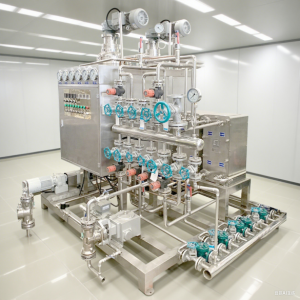
However, the market also presents unique challenges. Irregular power supply and fluctuating raw material costs (particularly glucose syrup and gelatin) require robust production equipment that can handle variability. MachineCooperate addressed this by designing the line with a dual‑energy heating system and a humidity‑controlled cooling tunnel, ensuring consistent product quality even when ambient conditions shift. Additionally, the line’s stainless‑steel construction and CIP (clean‑in‑place) capabilities help meet the stricter hygiene standards now enforced by Nigeria’s National Agency for Food and Drug Administration and Control.
The client has since leveraged this market growth by launching three new SKUs—fruity bear shapes, sour rings, and vitamin‑fortified gummies—which together now account for 35% of their total revenue. The ability to quickly switch moulds and adjust recipes on the MachineCooperate line allowed them to capture seasonal demand peaks, such as the back‑to‑school period in September, when gummy sales typically double.
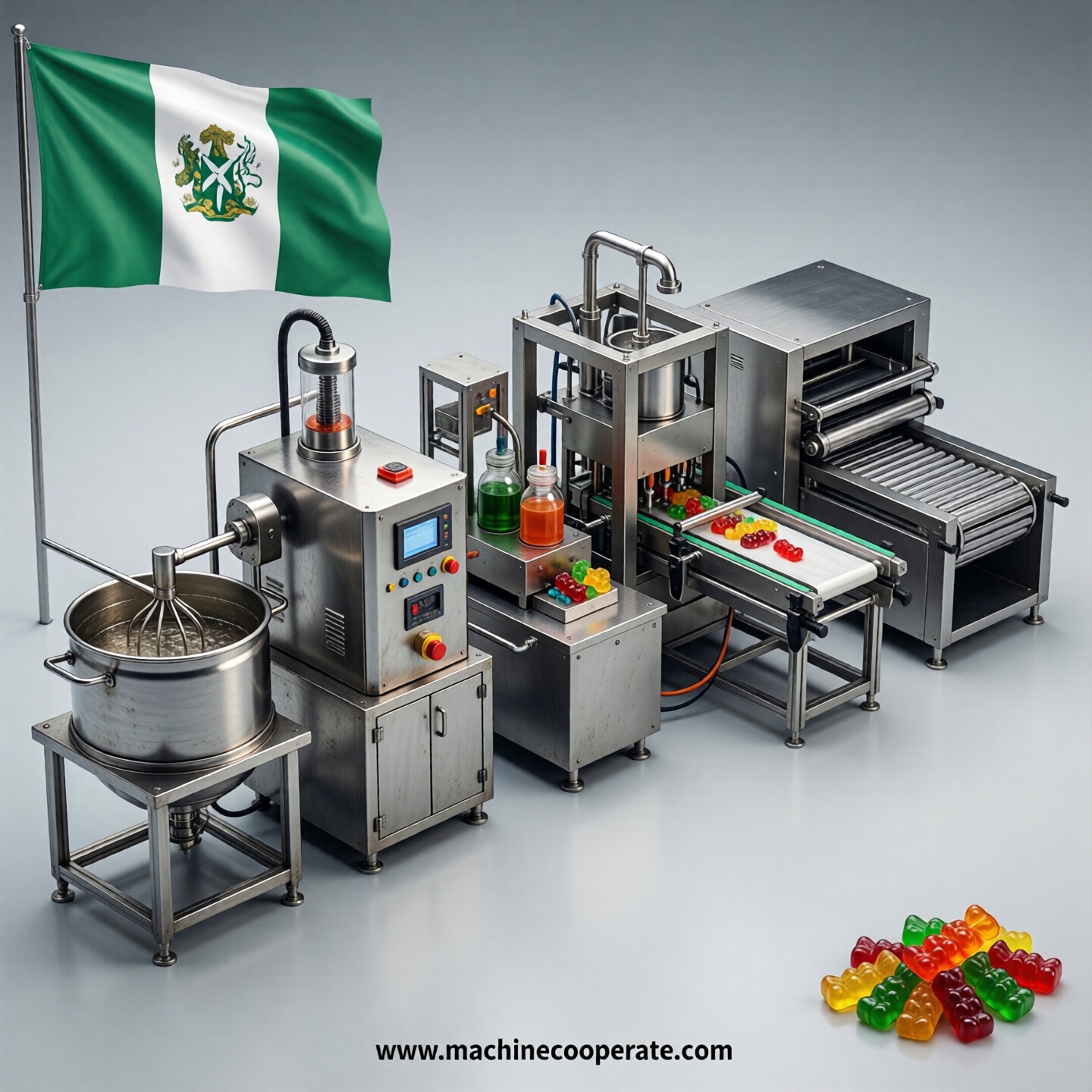
In summary, the partnership between the Nigerian manufacturer and MachineCooperate demonstrates how a well‑designed, supported gummy production line can unlock dramatic efficiency gains and revenue growth in a rapidly expanding market. The 500% capacity increase, 67% labour saving, and 1.2 million dollar EBITDA contribution provide concrete evidence of the value delivered. Combined with hands‑on training and responsive after‑sales service, the project serves as a blueprint for other African confectioners looking to modernise their operations and meet the surging local demand for gummy products.
Our Products
-

Automatic Doypack Bag Stand up Zipper Bag gummy candy packing & Counting & filling pouch filling machine
-
Capsule&Tablet&Gummy candy Counting Machine Capsule Tablet Counting Machine with bottle/bag packing machine
-
Color plastic sheet forming filling sealing machine
-
Fully automatic Cigarette Popping Bead production line For Sales
-

Fully Automatic Soft Gel Ball capsule Production Line
-
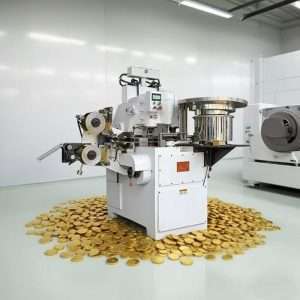
Gold Coin Chocolate Packaging Machine with Advanced Control Systems
-
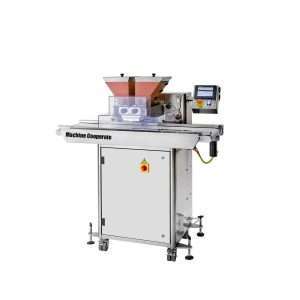
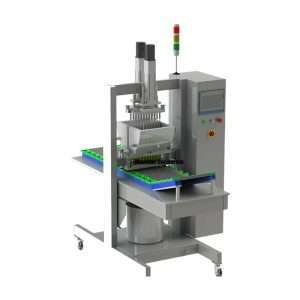
Gummy Candy Depositor for Labs & Small-Scale Production
-
Gummy Production Line & Machinery – Free Recipes with Our Equipment – 24/7 After-Sales Support
-
Hard Candy Production Line For Sales – Free Recipes with Our Equipment – 24/7 After-Sales Support
-
High-efficiency Popping Bead Machine Fully Automatic Production Equipment for Commercial Use Popping Bead Making Artifact
-
Industrial Jelly Gummy Candy Snack Sugar Coating Pan Drum Machine/candy Surface Polishing Machine
-
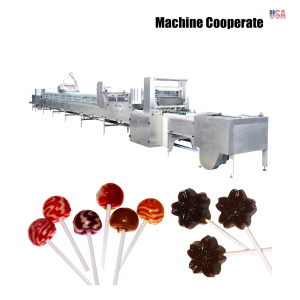
Lollipop Production Line – Free Recipes with Our Equipment – 24/7 After-Sales Support