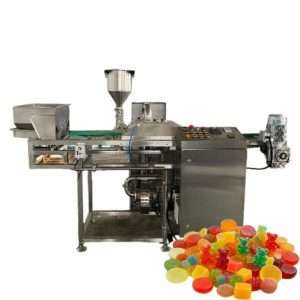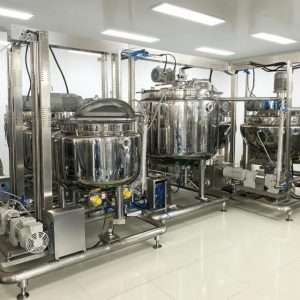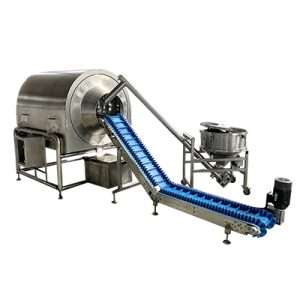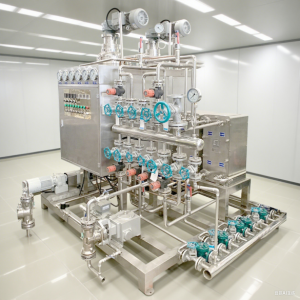
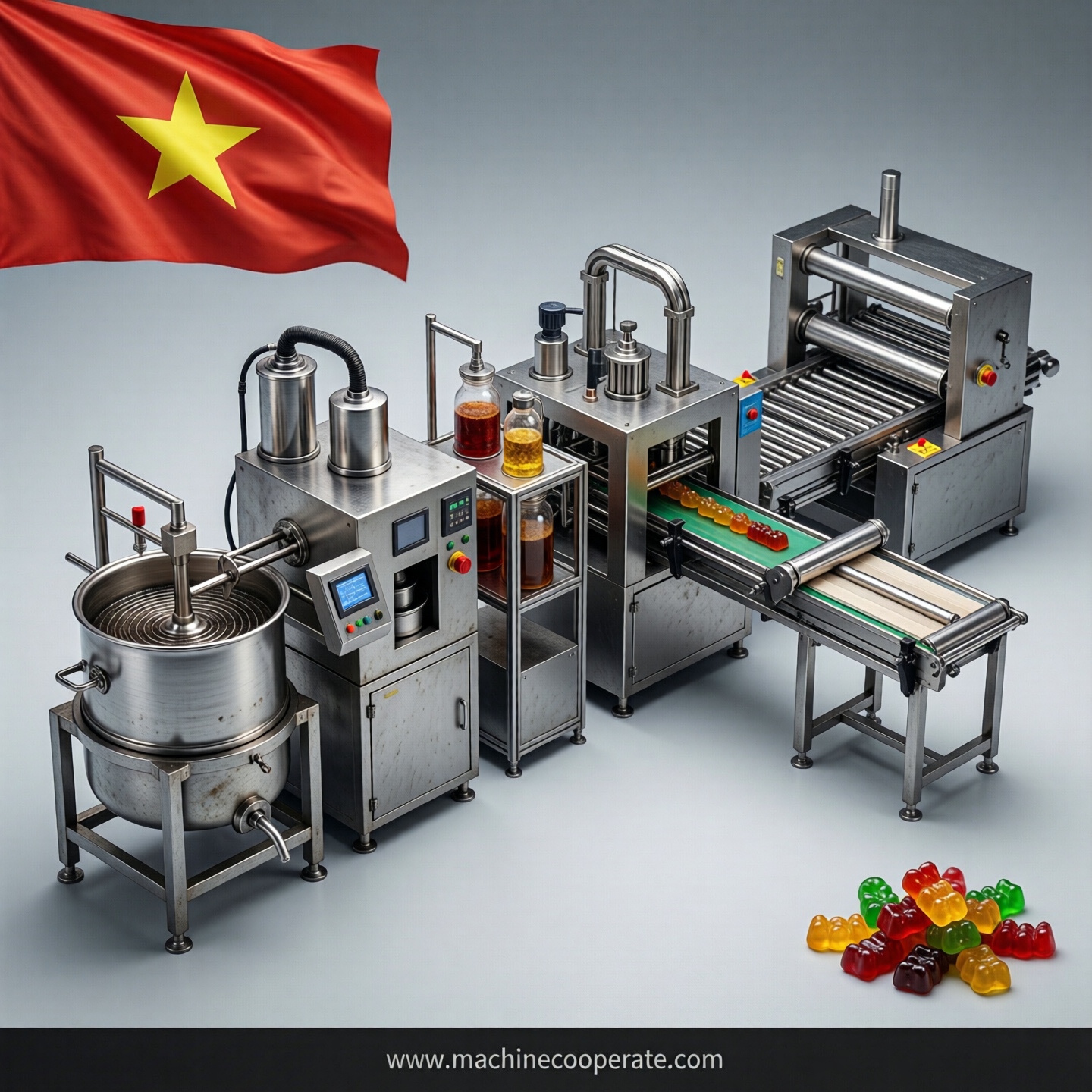
In the competitive landscape of Southeast Asian confectionery manufacturing, one Vietnamese producer of gummy candies faced a critical bottleneck. The company, established for over a decade, had built a solid domestic reputation for chewy fruit snacks but struggled to meet rising export demand due to outdated, semi-automated equipment. After evaluating multiple suppliers, they selected MachineCooperate for a complete Gummy production line, a decision that transformed their operational metrics.
Transforming Production Efficiency and Output
Prior to the upgrade, the factory operated at a maximum capacity of 500 kilograms per shift, with frequent downtime caused by inconsistent cooking temperatures and manual depositing. The new line from MachineCooperate increased throughput to 1,800 kilograms per shift within the first two weeks of operation. This 260% jump in daily output allowed the company to fulfill a backlog of orders for large supermarket chains in Ho Chi Minh City and Hanoi. More importantly, the rejection rate for misshapen or improperly textured gummies dropped from an industry-typical 5.8% to just 1.2%, saving approximately 42 metric tons of raw materials annually.
Energy consumption per kilogram of finished product decreased by 33%, owing to the line’s advanced insulation and efficient steam cooking system. The factory manager reported that the new line also reduced manual labor requirements from 18 workers per shift to 7, allowing the company to redirect staff to quality control and packing. Within six months, the Vietnamese client recovered 72% of their initial investment through reduced waste and labor costs alone. Full payback occurred at month 8, after which net profit margins on gummy production rose from 12% to 29%.
Comprehensive Service and Technical Support
MachineCooperate’s relationship with the client extended far beyond the purchase contract. Before shipping, the team conducted a two-week virtual design review, customizing the depositing system to handle the specific starch mold sizes common in Vietnamese production. Once the equipment arrived at the factory in Binh Duong province, a senior installation engineer remained on-site for 21 consecutive days, overseeing every connection and conducting stress tests at 110% of normal operating speed. This hands-on guidance eliminated the typical commissioning delays that plague new production lines.
To ensure long-term success, MachineCooperate provided structured training programs for two shifts of operators and three maintenance technicians. The training covered:
- Daily calibration of the cooking kettles and depositor
- Preventive maintenance schedules for the cooling tunnel and packaging unit
- Troubleshooting common syrup consistency issues using provided diagnostic tools
- Emergency shutdown procedures and spare parts identification
After commissioning, the service team maintained weekly remote check-ins for the first three months. When a minor bearing failure occurred in the slurry mixer during month 5, MachineCooperate’s parts dispatch center in Singapore shipped a replacement component within 48 hours, and a technician guided a local engineer through the repair via video call. The entire downtime lasted only 6 hours, compared to the two-day stoppage the client had experienced previously with other suppliers. The company now accesses a dedicated maintenance portal where they submit quarterly performance data, receiving automatic optimization recommendations tailored to their recipes.
Market Demand and Growth in Vietnam
Vietnam’s gummy confectionery market has expanded at a compound annual growth rate of 9.4% since 2021, driven by a young demographic and rising disposable income in urban centers. Children’s gummy vitamins and functional gummies infused with vitamin C or collagen have become particularly popular, accounting for 34% of retail gummy sales in 2023. The country also benefits from proximity to key raw material suppliers in Thailand and Malaysia, and its export-oriented manufacturing sector has leveraged free trade agreements to reach buyers in Japan, South Korea, and the European Union.
Domestic production, however, has historically lagged behind demand because few local factories could achieve the consistent texture and shelf stability required for export. MachineCooperate’s client now supplies three major international retailers, and their production line’s flexibility allows them to switch between starch-molded gummy bears and vegetarian pectin-based fruit slices in under four hours. Observing this success, two other Vietnamese confectionery firms have approached MachineCooperate for feasibility studies, indicating a growing trust in the brand’s ability to deliver turnkey solutions tailored to Southeast Asian conditions.
The table below compares the client’s key performance indicators before and after implementing the MachineCooperate line:
| Metric | Before MachineCooperate | After MachineCooperate |
|---|---|---|
| Daily output (kg/shift) | 500 | 1,800 |
| Rejection rate | 5.8% | 1.2% |
| Energy cost (USD/ton) | $47 | $31 |
| Labor per shift | 18 workers | 7 workers |
| Net profit margin | 12% | 29% |
| Investment recovery period | N/A | 8 months |
By choosing MachineCooperate, the Vietnamese gummy manufacturer not only solved its production constraints but also positioned itself to capture the country’s surging demand for high-quality confectionery. The combination of precision machinery, localized service, and responsive after-sales support built a partnership that continues to yield measurable financial results. For other factories in Vietnam or neighboring markets, this case demonstrates how a carefully integrated Gummy production line can turn regional advantages into global competitiveness. MachineCooperate remains committed to replicating these outcomes for any client seeking to scale their confectionery operations efficiently.
Our Products
-

Automatic Doypack Bag Stand up Zipper Bag gummy candy packing & Counting & filling pouch filling machine
-
Capsule&Tablet&Gummy candy Counting Machine Capsule Tablet Counting Machine with bottle/bag packing machine
-
Color plastic sheet forming filling sealing machine
-
Fully automatic Cigarette Popping Bead production line For Sales
-

Fully Automatic Soft Gel Ball capsule Production Line
-
Gold Coin Chocolate Packaging Machine with Advanced Control Systems
-
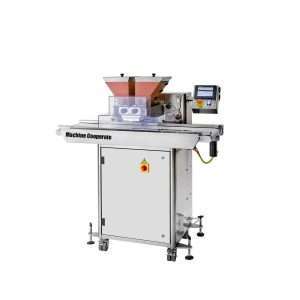
Gummy Candy Depositor for Labs & Small-Scale Production
-
Gummy Production Line & Machinery – Free Recipes with Our Equipment – 24/7 After-Sales Support
-
Hard Candy Production Line For Sales – Free Recipes with Our Equipment – 24/7 After-Sales Support
-
High-efficiency Popping Bead Machine Fully Automatic Production Equipment for Commercial Use Popping Bead Making Artifact
-
Industrial Jelly Gummy Candy Snack Sugar Coating Pan Drum Machine/candy Surface Polishing Machine
-
Lollipop Production Line – Free Recipes with Our Equipment – 24/7 After-Sales Support