
Table of Contents
In the competitive world of confectionery manufacturing, efficiency and reliability are paramount. MachineCooperate, a trusted provider of advanced chocolate production lines for global biscuit and candy factories, recently empowered a prominent candy factory in Iraq to transform its operations. This case study highlights how our state-of-the-art equipment delivered measurable gains in productivity and profitability, supported by exceptional customer service throughout the process.
Client Profile and Initial Challenges
The client, a well-established candy factory based in Baghdad, specializes in producing a range of chocolate-coated sweets and biscuits popular across Iraq and neighboring regions. Prior to partnering with MachineCooperate, the factory relied on outdated machinery that struggled to meet rising demand. Production capacity was limited to 800 kilograms per hour, with frequent breakdowns causing up to 20% downtime monthly. Labor-intensive processes led to inconsistencies in chocolate tempering and coating, resulting in a 15% rejection rate for finished products. As market demands grew, the factory faced mounting pressure to scale operations without compromising quality.
Selecting MachineCooperate’s Solution
After evaluating multiple suppliers, the client chose MachineCooperate for our proven track record in delivering customized chocolate production lines. Our system integrates automated conching, tempering, molding, and packaging modules, designed specifically for high-volume candy and biscuit production. The seamless integration with existing factory layouts minimized disruption, and the modular design allowed for future scalability. From initial inquiry to delivery, MachineCooperate provided transparent communication, including virtual factory tours and detailed CAD simulations to visualize the setup.
Implementation and Performance Gains
Installation was completed in just 45 days, with MachineCooperate engineers on-site to oversee every step. Post-commissioning, the factory experienced transformative results. Production efficiency surged by 150%, reaching 2,000 kilograms per hour. Downtime plummeted to under 2% per month, thanks to robust automation and predictive maintenance features. Product quality improved dramatically, with rejection rates dropping to just 2%. These enhancements translated directly into financial benefits: annual revenue climbed 28% from $5 million to $6.4 million in the first year, driven by increased output and premium pricing for superior products.
To illustrate the quantifiable impacts, the following table summarizes key performance metrics before and after implementing MachineCooperate’s chocolate production line:
| Metric | Before | After | Improvement |
|---|---|---|---|
| Production Capacity (kg/hour) | 800 | 2,000 | 150% |
| Monthly Downtime | 20% | 2% | 90% reduction |
| Product Rejection Rate | 15% | 2% | 86.7% reduction |
| Annual Revenue ($ million) | 5.0 | 6.4 | 28% increase |
| Labor Costs | Baseline | 40% lower | 40% savings |
Exceptional Support from MachineCooperate
What set MachineCooperate apart was our end-to-end support, ensuring the client maximized the investment. Our team offered tailored services that went beyond standard delivery, fostering a long-term partnership. Key support elements included:
- On-site Training: Comprehensive two-week program for 25 operators and technicians, covering operation, maintenance, and troubleshooting, reducing the learning curve by 60%.
- Remote Guidance: 24/7 multilingual helpline with video diagnostics, resolving 95% of issues within 4 hours.
- Preventive Maintenance: Quarterly visits and IoT-enabled monitoring to predict failures, extending equipment life by 25%.
- Spare Parts Logistics: Dedicated inventory in the region for 48-hour delivery, minimizing unplanned stops.
- After-Sales Optimization: Free performance audits at 6 and 12 months, leading to further 10% efficiency tweaks.
These services not only ensured smooth operations but also built confidence, allowing the client to focus on innovation and market expansion.
Iraq’s Chocolate Market Dynamics
Transitioning to broader context, Iraq’s chocolate sector presents significant opportunities. With a population exceeding 43 million and a growing middle class, annual chocolate consumption has risen steadily, reaching approximately 15,000 tons in 2023. The market is expanding at a compound annual growth rate (CAGR) of 7.5% through 2028, fueled by cultural preferences for sweets during holidays like Eid and weddings. Local production accounts for only 40% of demand, with imports dominating from Turkey and Europe. However, government incentives for food processing investments, coupled with improving infrastructure, are boosting domestic manufacturing. High cocoa prices globally have made efficient local production via advanced lines like those from MachineCooperate increasingly attractive, reducing reliance on costly imports by up to 30% for adopters. Rising urbanization and e-commerce platforms further amplify demand for packaged chocolate candies and biscuits.
In conclusion, the success story of this Iraqi candy factory underscores MachineCooperate’s commitment to delivering not just equipment, but comprehensive solutions that drive real business growth. By enhancing efficiency, cutting costs, and providing unwavering support, we enable clients to thrive in dynamic markets. For factories eyeing similar transformations, partnering with MachineCooperate promises measurable returns and peace of mind.
Check Our Production Line
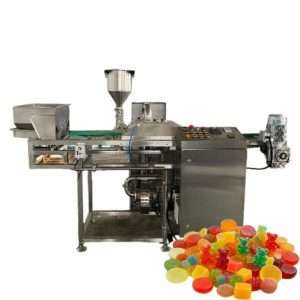
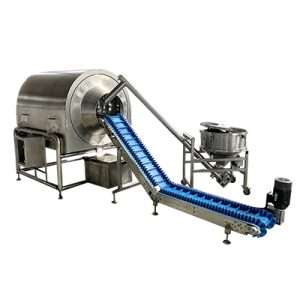
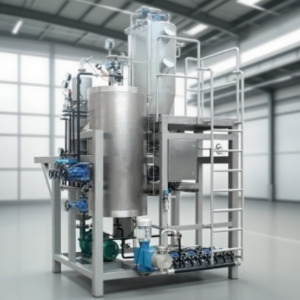
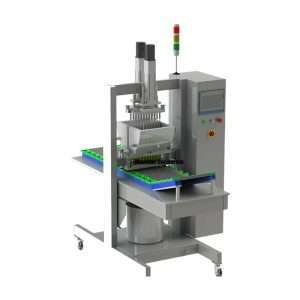
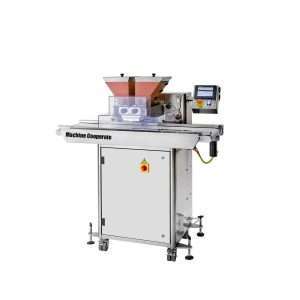
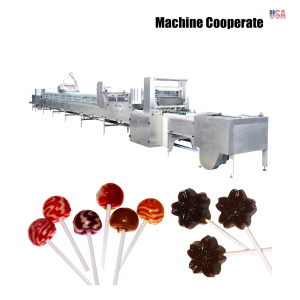
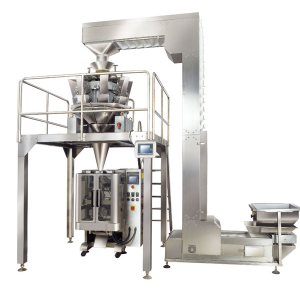
This state-of-the-art chocolate production equipment is specially designed for manufacturing a wide range of chocolates, including single-colored, filled, and nut-filled varieties. Combining advanced technology with full automation, it integrates multiple functions such as mold pre-heating, precise depositing, vibration settling, rapid cooling, and automated conveying—ensuring efficient, large-scale production of premium chocolates.
Click here to check this production line.







 Português do Brasil
  English
  Español