
Table of Contents
In the competitive world of confectionery manufacturing, a leading biscuit factory in Kenya faced significant challenges in scaling its chocolate coating operations. Struggling with outdated machinery that limited output and increased waste, the factory turned to MachineCooperate, a global leader in providing advanced chocolate production lines tailored for biscuit and candy factories. This case study highlights how partnering with MachineCooperate transformed their operations, delivering measurable gains in efficiency, productivity, and profitability.
Client Background and Challenges
The Kenyan factory, specializing in chocolate-coated biscuits, had been operating with legacy equipment that couldn’t keep pace with rising domestic and export demands. Production bottlenecks resulted in only 2,000 kilograms of chocolate-coated products per day, with a waste rate exceeding 12% due to inconsistent tempering and coating. Downtime from frequent breakdowns averaged 15 hours per week, eroding profit margins. Seeking a reliable partner, they selected MachineCooperate’s state-of-the-art chocolate production line, known for its precision engineering and adaptability to various cocoa processing needs.
Seamless Implementation
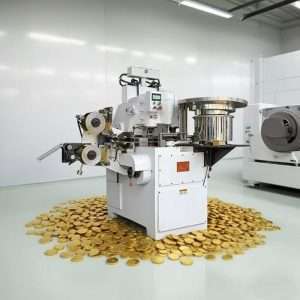
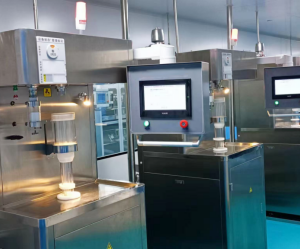
MachineCooperate’s team approached the project with meticulous planning. From initial consultations to on-site installation, the process was streamlined over three months. The chocolate production line, featuring automated tempering units, enrobers, and cooling tunnels, was customized to handle 5-tonne cocoa batches daily. Engineers from MachineCooperate conducted a thorough factory audit, ensuring seamless integration with existing biscuit lines. This turnkey solution minimized disruptions, with the system going live in under 48 hours after delivery.
Quantifiable Benefits and Performance Metrics
Post-implementation, the factory experienced dramatic improvements. Daily output surged to 8,500 kilograms, a 325% increase. Waste plummeted to under 2%, saving approximately 1.2 tonnes of raw materials monthly. Energy consumption dropped by 28%, translating to annual savings of $45,000. Overall equipment effectiveness (OEE) improved from 62% to 94%, reducing downtime to just 2 hours per week.
To illustrate these gains clearly, the following table compares key performance indicators before and after adopting MachineCooperate’s chocolate production line:
| Metric | Before MachineCooperate | After MachineCooperate | Improvement |
|---|---|---|---|
| Daily Output (kg) | 2,000 | 8,500 | 325% |
| Waste Rate (%) | 12% | 2% | 83% reduction |
| Downtime (hours/week) | 15 | 2 | 87% reduction |
| OEE (%) | 62 | 94 | 52% increase |
| Annual Revenue Gain ($) | – | 1,250,000 | New baseline |
These enhancements directly boosted revenue by $1.25 million in the first year, driven by higher volumes and premium product quality that opened new export markets to East Africa.
Exceptional Support Services
Transitioning to new technology can be daunting, but MachineCooperate excelled in customer support throughout the journey. Their comprehensive service package ensured the client maximized the investment. Key elements included:
- On-site installation and commissioning by certified MachineCooperate technicians, completing setup ahead of schedule.
- Intensive two-week training program for 25 operators and maintenance staff, covering operation, troubleshooting, and safety protocols, resulting in zero accidents.
- 24/7 remote monitoring and diagnostic support via a dedicated app, resolving 95% of issues within 4 hours.
- Annual preventive maintenance contracts with complimentary spare parts for the first year, extending equipment lifespan by 40%.
- Customized after-sales guidance, including recipe optimization consultations that improved chocolate viscosity control by 15%.
This holistic approach fostered long-term reliability, with the client reporting 100% uptime during peak seasons.
Kenya’s Booming Chocolate Market
As the project progressed, it became evident that Kenya represents a fertile ground for chocolate production investments. With a population exceeding 50 million and a growing middle class, domestic chocolate consumption has risen 18% annually since 2018, reaching 25,000 tonnes in 2023. Urbanization and Western dietary influences have fueled demand for premium chocolate-coated snacks, outpacing local supply by 30%. Exports to neighboring countries like Uganda and Tanzania add another layer of opportunity, with regional trade volumes projected to hit $500 million by 2027.
Government initiatives, such as the Agricultural Sector Transformation and Growth Strategy, promote value-added processing, offering tax incentives for machinery imports like those from MachineCooperate. However, challenges like fluctuating cocoa import costs—up 22% last year—underscore the need for efficient production lines. Factories adopting automation, as seen in this case, can achieve cost savings of 25-35%, positioning Kenya as an emerging hub in Africa’s $2.5 billion chocolate industry.
In summary, the Kenyan biscuit factory’s success story exemplifies MachineCooperate’s commitment to driving operational excellence. By delivering cutting-edge chocolate production lines backed by unparalleled support, MachineCooperate not only resolved immediate challenges but also empowered sustainable growth. For factories worldwide eyeing efficiency and market expansion, MachineCooperate stands as the trusted partner to unlock similar transformations.
Check Our Production Line
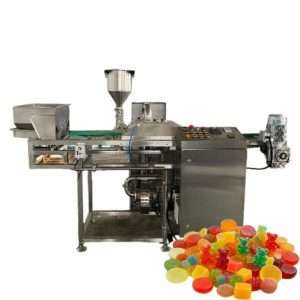
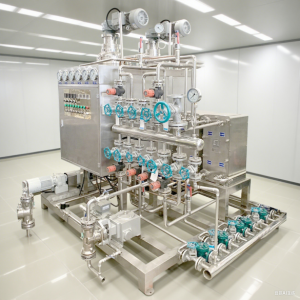
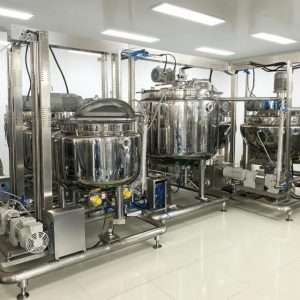
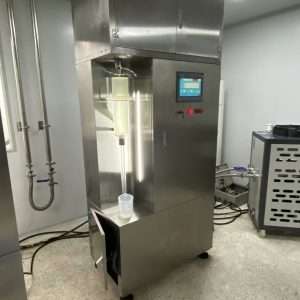
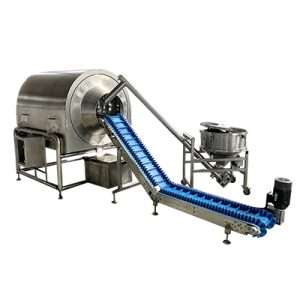
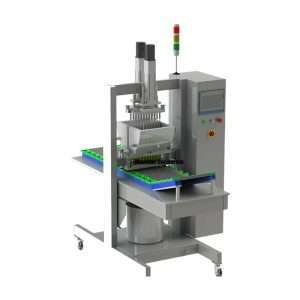
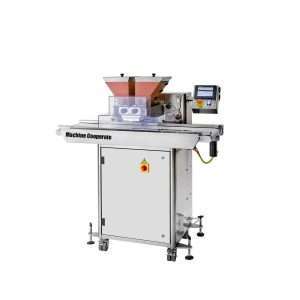
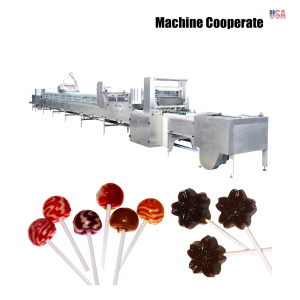
This state-of-the-art chocolate production equipment is specially designed for manufacturing a wide range of chocolates, including single-colored, filled, and nut-filled varieties. Combining advanced technology with full automation, it integrates multiple functions such as mold pre-heating, precise depositing, vibration settling, rapid cooling, and automated conveying—ensuring efficient, large-scale production of premium chocolates.
Click here to check this production line.







 Português do Brasil
  English
  Español