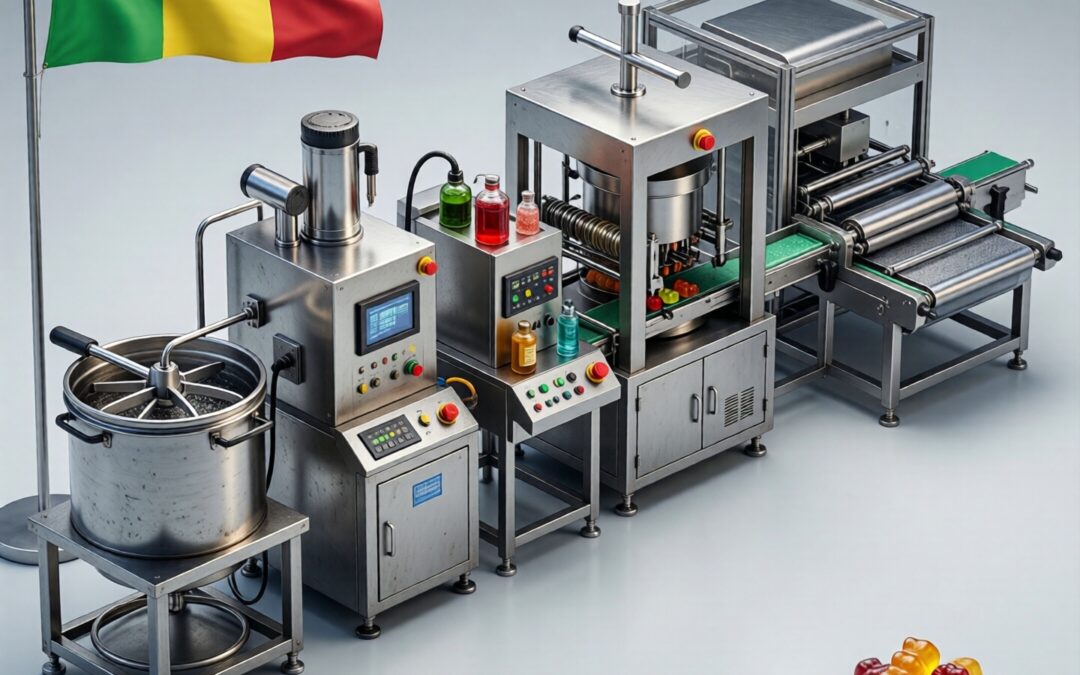
In the competitive landscape of confectionery manufacturing, operational efficiency and product consistency are paramount. For candy and biscuit factories seeking to expand their product lines, the transition to gummy production presents both a significant opportunity and a considerable challenge. When a prominent manufacturer in Mali embarked on this journey, they sought a partner capable of delivering not only advanced machinery but also comprehensive support. This case study examines how the procurement of a complete gummy production line from MachineCooperate transformed their operations, delivering measurable improvements in productivity, revenue, and market positioning.
The Challenge Facing the Malian Manufacturer
The client, a well-established producer of hard candies and biscuits in Bamako, identified a growing domestic and regional appetite for gummy candies. Their existing manual processes were inadequate for this new venture. Production capacity was limited to approximately 200 kilograms per day, with a defect rate exceeding 8 percent due to inconsistencies in cooking temperatures and molding. Furthermore, the lack of automated drying and packaging systems created significant bottlenecks, leading to extended lead times and product quality issues during the humid West African rainy season. The company required a turnkey solution that could scale production, ensure consistent quality, and minimize waste.
Implementation of the MachineCooperate Solution
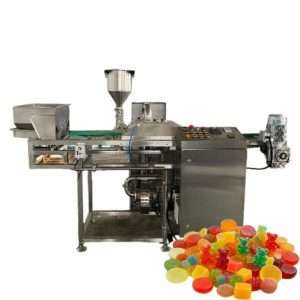
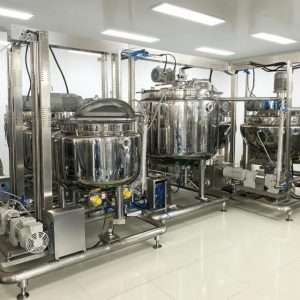
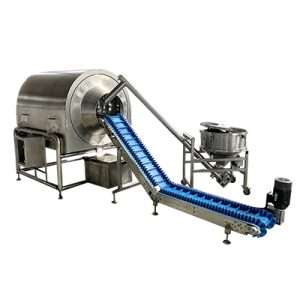
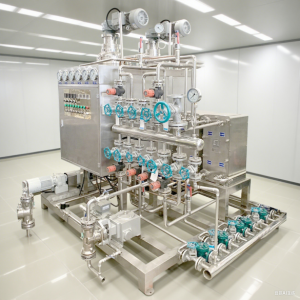
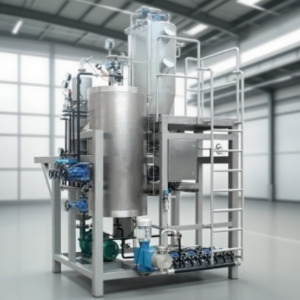
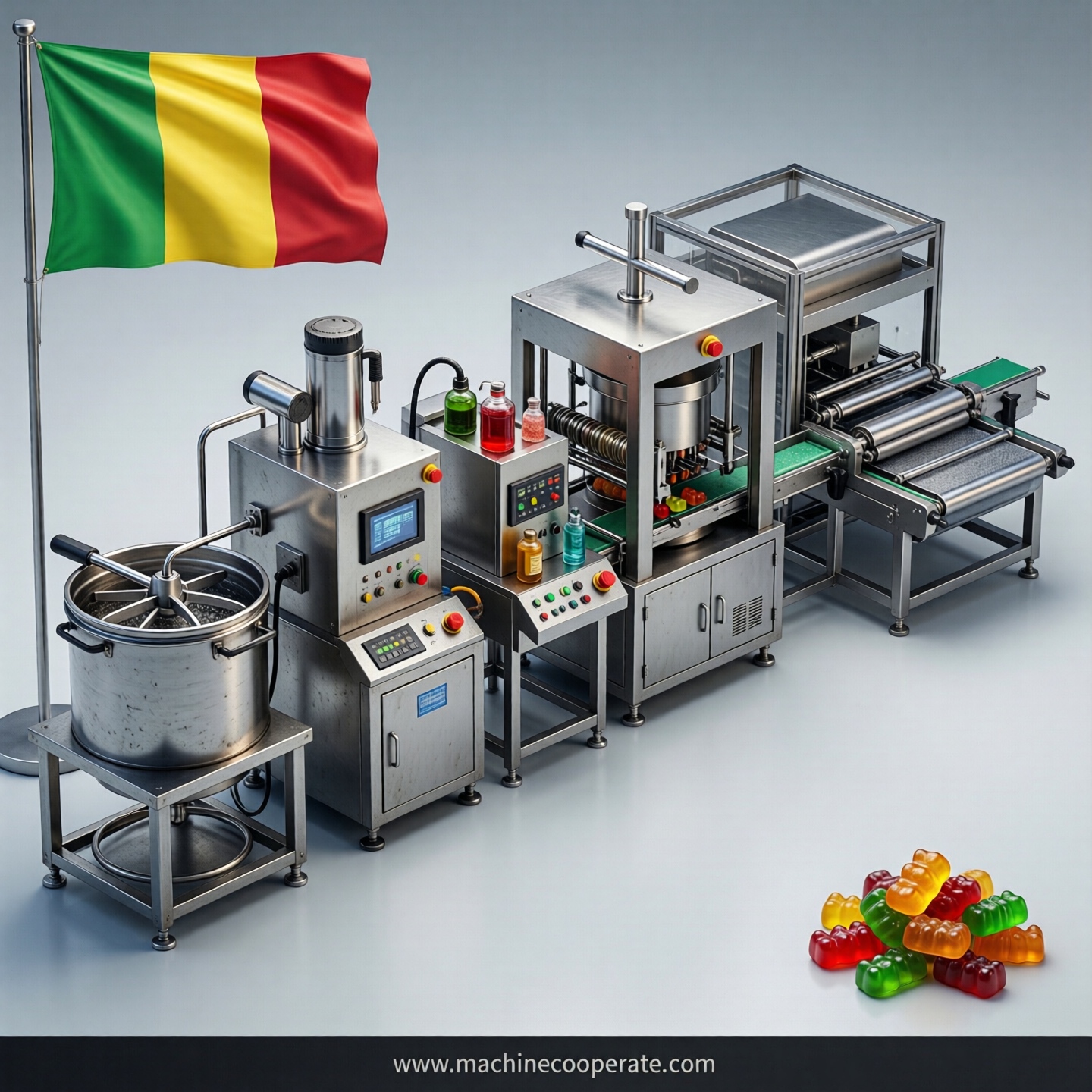
After a thorough evaluation of their needs, the Malian producer invested in a medium-capacity gummy production line from MachineCooperate, designed for an output of 1,500 kilograms per day. The line integrated a continuous cooking system, a servo-driven depositor for precise molding, a multi-stage drying tunnel, and an automated packaging unit. MachineCooperate’s engineering team conducted a remote site assessment and customized the line to accommodate the local power supply fluctuations and ambient humidity levels. The installation was completed within three weeks, followed by an on-site commissioning period of five days.
The immediate impact was dramatic. The transition from manual to automated processes yielded the following operational improvements within the first two months of production:
- Production throughput increased by 650 percent, from 200 kg to 1,500 kg per day.
- Product defect rate dropped from 8 percent to 1.2 percent, reducing raw material waste significantly.
- Energy consumption per kilogram of finished product decreased by 34 percent due to the efficiency of the continuous cooker.
- Labor requirements were reduced by 60 percent, as the line required only four operators per shift instead of ten.
- Order fulfillment cycle time was shortened from fourteen days to four days, enabling faster inventory turnover.
Measurable Financial and Efficiency Gains
The quantitative results after six months of full operation were compelling. The table below summarizes the key performance indicators before and after the implementation of the production line from MachineCooperate.
| Metric | Before Implementation | After Implementation |
|---|---|---|
| Daily Output (kg) | 200 | 1,500 |
| Defect Rate (%) | 8.0 | 1.2 |
| Cost per kg (USD) | 2.85 | 1.62 |
| Monthly Revenue (USD) | 48,000 | 294,000 |
| Gross Profit Margin (%) | 22 | 41 |
| Return on Investment (Projected 12-month) | N/A | 210% |
Revenue jumped from USD 48,000 per month to USD 294,000 per month, driven entirely by the increased volume and improved quality. The cost per kilogram fell by 43 percent, reflecting economies of scale and reduced waste. The gross profit margin nearly doubled, providing the Malian company with capital to invest in additional marketing and distribution channels across the West African Economic and Monetary Union.
Comprehensive Support and Service From MachineCooperate
Beyond the hardware itself, the partnership with MachineCooperate was defined by a meticulous approach to customer service. The client’s team, which had no prior experience with automated gummy production, was the focus of an extensive training program. MachineCooperate provided a two-week theoretical and practical training session for twelve key personnel, covering recipe formulation, machine operation, sanitation protocols, and preventive maintenance. The training was delivered in French, the official business language in Mali, and supplemented with illustrated manuals and video tutorials.
Post-installation support was equally thorough. A remote monitoring system was installed, allowing MachineCooperate’s engineers to track machine performance and predict potential issues. When a gumming issue arose with the starch molding unit during the third month, a service engineer was dispatched from the regional hub in Casablanca within 48 hours. The problem was resolved in a single day, and two additional troubleshooting sessions were conducted via video call to ensure the local team understood the root cause. MachineCooperate also established a spare parts inventory agreement, guaranteeing delivery of critical components within three business days to avoid prolonged downtime. This level of responsiveness was instrumental in maintaining the 98.5 percent machine uptime achieved by the client over the first year.
Market Dynamics and Demand for Gummy Products in Mali
The decision to invest in gummy production was strategically aligned with the evolving consumer landscape in Mali and the broader Sahel region. Mali has a youthful population, with over 65 percent under the age of 25, a demographic that drives demand for affordable, flavorful confectionery items. Gummy candies, with their long shelf life and wide appeal, have become increasingly popular as an alternative to sugar-coated hard candies. The urban centers of Bamako, Sikasso, and Segou have witnessed a proliferation of small retail outlets and street vendors, all seeking low-cost, individually wrapped products that the automated line could produce efficiently.
The import statistics highlight the opportunity. Prior to purchasing the line from MachineCooperate, Mali imported an estimated 8,000 metric tons of gummy candies annually, primarily from China and Turkey. These imports commanded a premium price that limited accessibility for lower-income consumers. The client’s locally produced gummies, bearing a lower cost base due to reduced logistics and import duties, could be sold at a 25 percent discount to imported equivalents while maintaining higher freshness. This price advantage, combined with the growing formal retail sector and government incentives for domestic food processing, created a strong market tailwind. The production line not only allowed the company to capture share from imports but also enabled them to explore export opportunities to neighboring countries like Burkina Faso and Senegal, where similar supply gaps existed. MachineCooperate’s solution provided the scalability necessary to pursue this multi-market strategy.
The partnership between the Malian confectioner and MachineCooperate demonstrates how a well-executed automation strategy, supported by rigorous after-sales service, can fundamentally alter a company’s competitive position. The dramatic improvements in efficiency, cost structure, and revenue provide a clear blueprint for other manufacturers in emerging markets considering a move into gummy production.
Our Products
-

Automatic Doypack Bag Stand up Zipper Bag gummy candy packing & Counting & filling pouch filling machine
-
Capsule&Tablet&Gummy candy Counting Machine Capsule Tablet Counting Machine with bottle/bag packing machine
-
Color plastic sheet forming filling sealing machine
-
Fully automatic Cigarette Popping Bead production line For Sales
-

Fully Automatic Soft Gel Ball capsule Production Line
-
Gold Coin Chocolate Packaging Machine with Advanced Control Systems
-
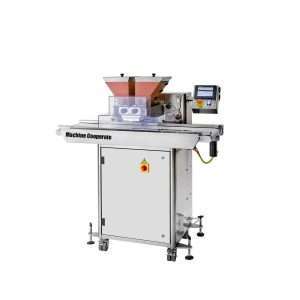
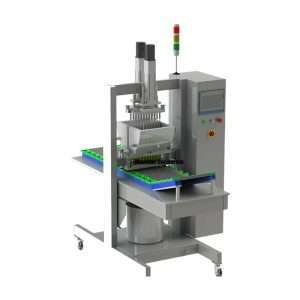
Gummy Candy Depositor for Labs & Small-Scale Production
-
Gummy Production Line & Machinery – Free Recipes with Our Equipment – 24/7 After-Sales Support
-
Hard Candy Production Line For Sales – Free Recipes with Our Equipment – 24/7 After-Sales Support
-
High-efficiency Popping Bead Machine Fully Automatic Production Equipment for Commercial Use Popping Bead Making Artifact
-
Industrial Jelly Gummy Candy Snack Sugar Coating Pan Drum Machine/candy Surface Polishing Machine
-
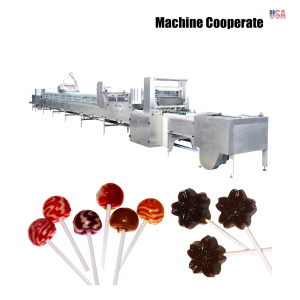
Lollipop Production Line – Free Recipes with Our Equipment – 24/7 After-Sales Support