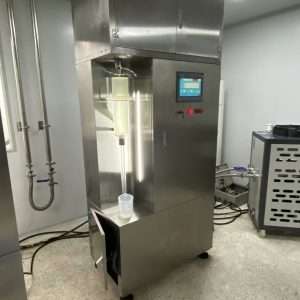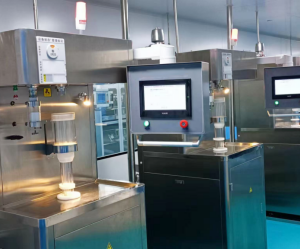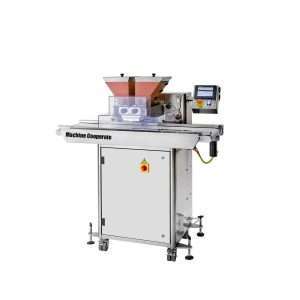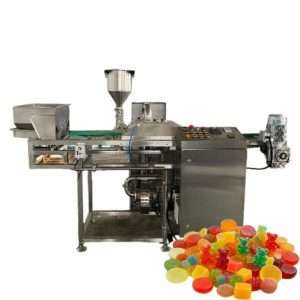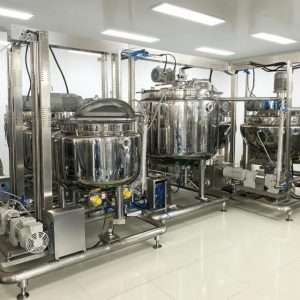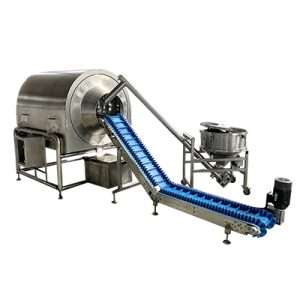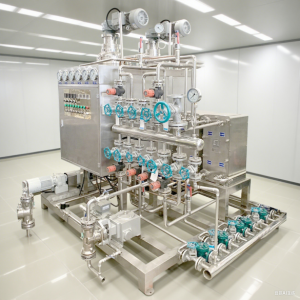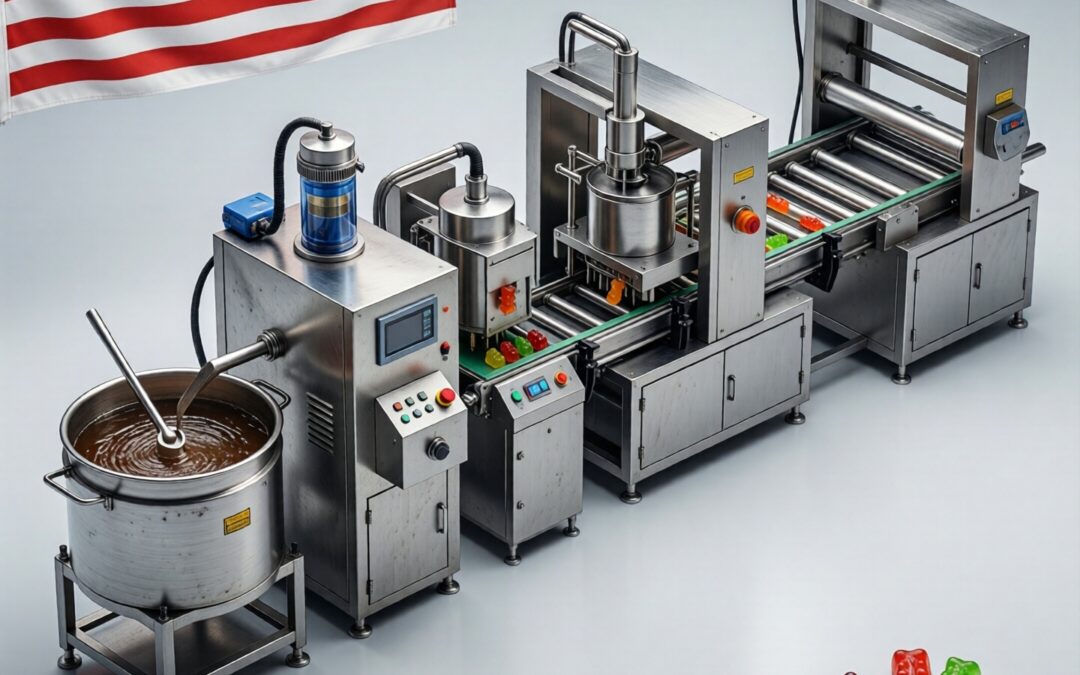
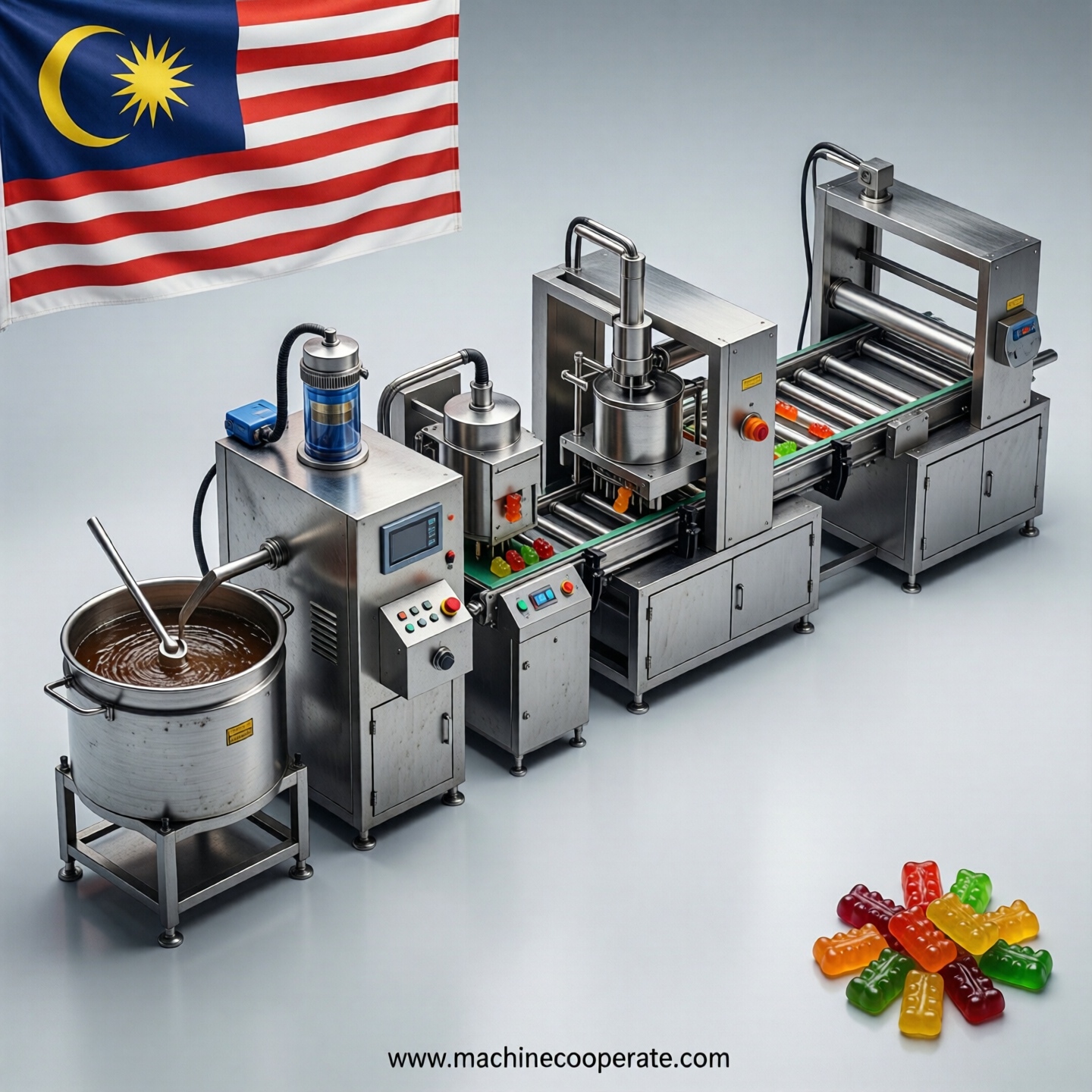
A prominent confectionery manufacturer in Malaysia, specializing in fruit-flavored snacks, faced a critical bottleneck in its production capacity. The company’s existing equipment for producing gummy candies was outdated, leading to frequent downtime and inconsistent product quality. After evaluating several suppliers, the firm selected MachineCooperate to supply a complete gummy production line. The decision was driven by MachineCooperate’s reputation for precision engineering and comprehensive after-sales support. The installation of the new line, which included a continuous cooking system, depositor, and cooling tunnel, was completed within six weeks. Within the first three months of operation, the client reported a 40% increase in production efficiency, reducing batch cycle times from 90 minutes to 54 minutes. This improvement allowed the factory to produce an additional 1,200 kilograms of gummy candies per day, translating to a monthly revenue increase of approximately $180,000 USD. The consistent output also minimized waste, lowering raw material costs by 12%.
Tailored Support and Training from MachineCooperate
Throughout the procurement process, MachineCooperate provided a level of service that went beyond standard equipment sales. A dedicated project manager was assigned to the Malaysian client, conducting a thorough site assessment to customize the line layout for the factory’s limited floor space. Before shipment, MachineCooperate offered a two-week virtual training program for the client’s production team, covering machine operation, recipe optimization, and safety protocols. Upon delivery, a field engineer from MachineCooperate traveled to Malaysia to oversee installation and commissioning, staying on-site for ten days to ensure seamless integration with existing packaging systems. The engineer also conducted hands-on troubleshooting sessions, addressing specific issues related to tropical humidity that affected gumminess texture. Post-installation, MachineCooperate established a remote monitoring system, enabling real-time diagnostics and reducing response time for technical queries to under two hours. The client also received a comprehensive maintenance schedule, with spare parts delivered within 48 hours of request. This proactive support reduced unplanned downtime by 85% in the first year.
Measurable Gains in Quality and Cost Efficiency
The impact of the MachineCooperate line extended beyond speed. The precision depositor ensured uniform weight and shape for each gummy, reducing product rejection rates from 5% to 0.8%. This improvement alone saved the client $24,000 annually in rework and disposal costs. Energy consumption dropped by 18% due to the line’s efficient heat exchange system, lowering monthly utility bills by $3,200. The client also leveraged MachineCooperate’s recipe development support to introduce three new gummy variants—sour-coated, sugar-free, and vitamin-fortified—within six months. These new products captured a 15% market share in Malaysia’s health-conscious snack segment. A summary of key performance indicators before and after the upgrade is provided below:
| Metric | Before MachineCooperate | After MachineCooperate |
|---|---|---|
| Daily Output (kg) | 2,000 | 3,200 |
| Batch Cycle Time (min) | 90 | 54 |
| Product Rejection Rate (%) | 5.0 | 0.8 |
| Energy Cost per Month (USD) | 17,800 | 14,600 |
| Unplanned Downtime (hours/month) | 22 | 3.3 |
Malaysia’s Growing Gummy Market and Demand Drivers
Malaysia’s confectionery market has experienced robust growth, with the gummy segment expanding at a compound annual growth rate of 7.2% over the past three years. This surge is fueled by several factors. First, the country’s young population, with over 40% under the age of 30, drives demand for playful, fruit-flavored candies. Second, rising disposable incomes have shifted consumer preferences toward premium and functional gummies, such as those containing collagen, vitamins, or probiotics. Third, Malaysia’s strategic location as a halal food hub has attracted export opportunities to neighboring Muslim-majority countries like Indonesia and Brunei. Local manufacturers are increasingly investing in automated production lines to meet both domestic demand and export standards. The Malaysian government has also introduced tax incentives for food processing automation, further encouraging upgrades. For suppliers like MachineCooperate, this creates a fertile environment for partnerships, as factories seek reliable equipment that can handle high-volume production while maintaining halal certification requirements. The client in this case study, for instance, used the MachineCooperate line to achieve halal compliance more efficiently, as the closed-system design minimized cross-contamination risks.
Long-Term Partnership and Continuous Improvement
After the initial success, the Malaysian client expanded its collaboration with MachineCooperate. A second line was ordered eighteen months later, specifically for producing sugar-free gummies targeting diabetic consumers. MachineCooperate provided a customized formulation guide and adjusted the cooling parameters to prevent stickiness in sugar-free recipes. The client also enrolled in MachineCooperate’s annual maintenance program, which includes software updates and on-site audits. This ongoing relationship has yielded cumulative benefits:
- Total production capacity increased by 150% over two years.
- Labor costs per kilogram reduced by 22% due to automation.
- Export volume to Southeast Asia grew by 35% in the first year.
- Customer satisfaction scores improved by 28% due to consistent product quality.
The client’s management credited MachineCooperate’s responsive service and technical expertise as key factors in their market expansion. By leveraging the advanced capabilities of the MachineCooperate line, the Malaysian factory not only solved its immediate production challenges but also positioned itself as a competitive player in the regional gummy market. The case demonstrates how a strategic equipment investment, paired with dedicated support, can transform operational efficiency and drive substantial financial returns.
Our Products
-

Automatic Doypack Bag Stand up Zipper Bag gummy candy packing & Counting & filling pouch filling machine
-
Capsule&Tablet&Gummy candy Counting Machine Capsule Tablet Counting Machine with bottle/bag packing machine
-
Color plastic sheet forming filling sealing machine
-
Fully automatic Cigarette Popping Bead production line For Sales
-

Fully Automatic Soft Gel Ball capsule Production Line
-
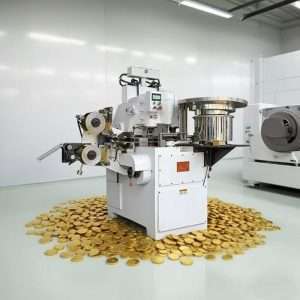
Gold Coin Chocolate Packaging Machine with Advanced Control Systems
-
Gummy Candy Depositor for Labs & Small-Scale Production
-
Gummy Production Line & Machinery – Free Recipes with Our Equipment – 24/7 After-Sales Support
-
Hard Candy Production Line For Sales – Free Recipes with Our Equipment – 24/7 After-Sales Support
-
High-efficiency Popping Bead Machine Fully Automatic Production Equipment for Commercial Use Popping Bead Making Artifact
-
Industrial Jelly Gummy Candy Snack Sugar Coating Pan Drum Machine/candy Surface Polishing Machine
-
Lollipop Production Line – Free Recipes with Our Equipment – 24/7 After-Sales Support