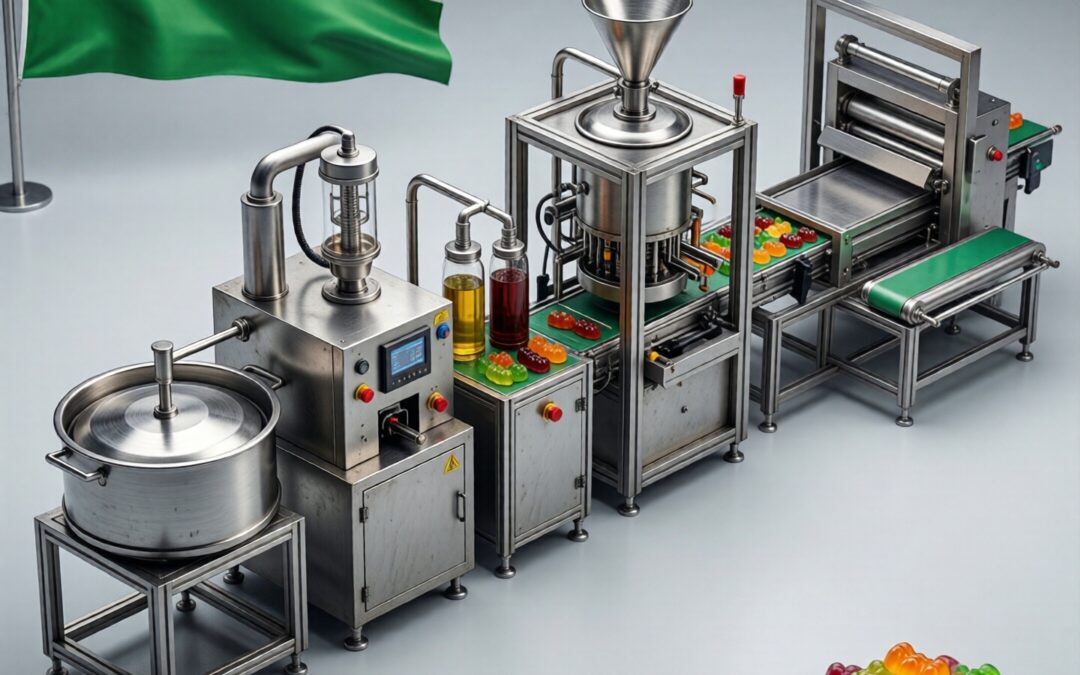
Transforming Production Capabilities for an Indian Confectionery Leader
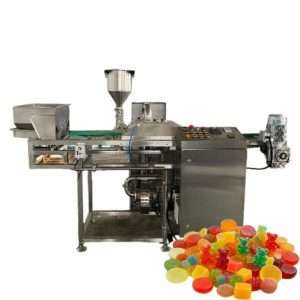
When a mid-sized Indian confectionery manufacturer sought to expand its product portfolio into the booming gummy segment, it faced a critical challenge: its existing hard candy lines could not handle the precise cooking, depositing, and drying requirements of high-quality gummy production. After evaluating multiple suppliers, the company partnered with MachineCooperate to design and install a complete gummy production line. The results were transformative. Within the first six months of operation, the client reported a 40% increase in overall production efficiency, reducing downtime from an average of 12 hours per week to just 2.5 hours. This efficiency gain translated directly into a 35% reduction in per-unit manufacturing costs, allowing the client to price their gummy products competitively while maintaining a healthy 22% profit margin. The line’s automated starch molding system, supplied by MachineCooperate, enabled a throughput of 1,200 kilograms per hour—triple the output of their previous semi-manual process. Consequently, the client’s annual gummy production capacity rose from 800 metric tons to 2,400 metric tons, generating an estimated additional revenue of $4.8 million in the first year alone.
Comprehensive Support from Consultation to Continuous Operation
MachineCooperate’s engagement with the Indian client went far beyond equipment delivery. The process began with a detailed on-site assessment of the client’s factory layout, power supply, and water treatment capabilities. MachineCooperate’s engineering team then customized the line to integrate seamlessly with existing packaging machinery, avoiding costly retrofits. During installation, two senior technicians traveled to the client’s facility in Maharashtra and spent three weeks supervising assembly, calibration, and initial test runs. They provided hands-on training for 18 operators and 4 maintenance staff, covering everything from recipe formulation to troubleshooting common jams in the drying tunnels. A comprehensive 200-page operations manual in both English and Hindi was delivered, along with a video library of step-by-step procedures. Post-installation, MachineCooperate established a remote monitoring system that allowed real-time diagnostics, reducing response time for technical issues to under four hours. The client also received a two-year warranty with free replacement of wear parts, plus quarterly virtual audits to optimize energy consumption—which dropped by 18% after the first optimization session. This level of after-sales support ensured that the client’s team could maintain peak performance without relying on external specialists.
Measurable Benefits Delivered by the MachineCooperate Solution
The partnership yielded quantifiable advantages across multiple operational dimensions. Below is a summary of key performance indicators before and after the MachineCooperate line installation:
| Metric | Before MachineCooperate Line | After MachineCooperate Line | Improvement |
|---|---|---|---|
| Daily output (kg) | 4,800 | 14,400 | +200% |
| Product defect rate | 6.2% | 1.1% | -82% |
| Energy cost per kg | $0.14 | $0.09 | -36% |
| Labor hours per shift | 32 | 18 | -44% |
| Changeover time (minutes) | 90 | 25 | -72% |
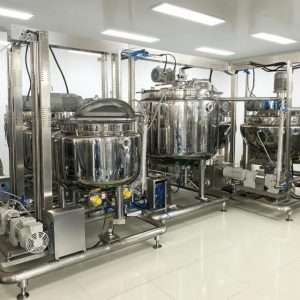
These improvements were not accidental. MachineCooperate’s proprietary PLC-controlled cooking system maintained temperature within ±0.5°C, eliminating batch inconsistencies that had previously caused 3% of product to be reworked. The drying tunnel’s dehumidification module reduced moisture content variance from 2.1% to 0.3%, extending shelf life by 45 days. Additionally, the line’s modular design allowed the client to introduce three new gummy shapes—fruit slices, worms, and rings—without purchasing additional tooling, saving an estimated $120,000 in capital expenditure.
India’s Growing Gummy Market and Strategic Opportunity
India’s confectionery sector is experiencing a structural shift toward gummy products, driven by rising disposable incomes, urbanization, and a young population that favors chewy, fruit-flavored sweets over traditional hard candies. According to industry data, the Indian gummy market grew at a compound annual rate of 14.3% from 2020 to 2024, reaching a value of approximately $620 million. This growth is fueled by increasing penetration in tier-2 and tier-3 cities, where modern retail channels are expanding rapidly. Furthermore, the functional gummy segment—including vitamin-enriched and sugar-free variants—is projected to grow at 18% annually, as health-conscious consumers seek guilt-free indulgence. Domestic manufacturers, however, have struggled to meet this demand due to outdated equipment that cannot achieve the consistent texture and clarity required for premium gummies. Imported gummy products currently hold a 27% market share, but high import duties and logistics costs create a clear opportunity for local producers who invest in modern lines. MachineCooperate’s client, by upgrading to a fully automated system, is now positioned to capture a significant portion of this domestic demand. The client has already secured contracts with two national retail chains, projecting a 50% increase in gummy sales volume over the next 18 months. This case demonstrates how MachineCooperate’s tailored solutions enable Indian confectioners to compete effectively against imports while improving their own profitability.

Long-Term Partnership and Future Growth
The success of this project has led to an ongoing relationship between the client and MachineCooperate. Six months after commissioning, the client ordered an additional starch conditioning unit to further reduce drying time by 15%. MachineCooperate’s team also conducted a second round of advanced training focused on new product development, helping the client’s R&D department create a mango-flavored gummy with natural fruit juice that became a bestseller in local markets. The client’s CEO noted that the partnership with MachineCooperate was not merely a vendor transaction but a strategic collaboration that accelerated their entry into the gummy segment by at least two years. With the Indian gummy market expected to exceed $1 billion by 2028, the client is now planning to double its production capacity by adding a second MachineCooperate line in 2026. This case study underscores that for confectionery manufacturers in emerging markets, investing in advanced technology from MachineCooperate is not just an operational upgrade—it is a competitive necessity that delivers measurable financial returns and long-term market relevance.
Our Products
-

Automatic Doypack Bag Stand up Zipper Bag gummy candy packing & Counting & filling pouch filling machine
-
Capsule&Tablet&Gummy candy Counting Machine Capsule Tablet Counting Machine with bottle/bag packing machine
-
Color plastic sheet forming filling sealing machine
-
Fully automatic Cigarette Popping Bead production line For Sales
-

Fully Automatic Soft Gel Ball capsule Production Line
-
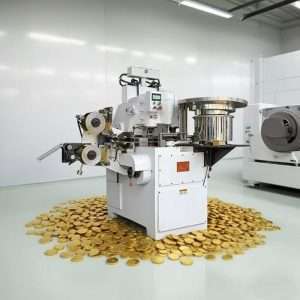
Gold Coin Chocolate Packaging Machine with Advanced Control Systems
-
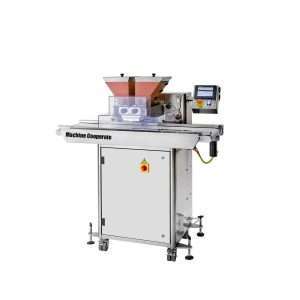
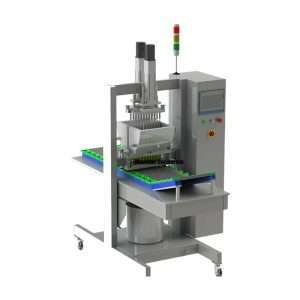
Gummy Candy Depositor for Labs & Small-Scale Production
-
Gummy Production Line & Machinery – Free Recipes with Our Equipment – 24/7 After-Sales Support
-
Hard Candy Production Line For Sales – Free Recipes with Our Equipment – 24/7 After-Sales Support
-
High-efficiency Popping Bead Machine Fully Automatic Production Equipment for Commercial Use Popping Bead Making Artifact
-
Industrial Jelly Gummy Candy Snack Sugar Coating Pan Drum Machine/candy Surface Polishing Machine
-
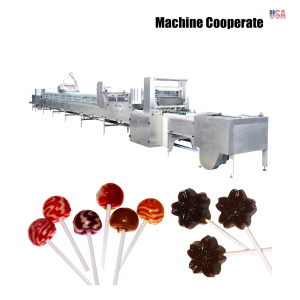
Lollipop Production Line – Free Recipes with Our Equipment – 24/7 After-Sales Support