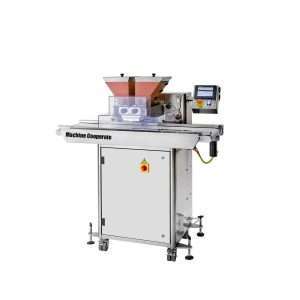
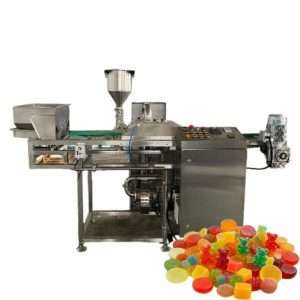
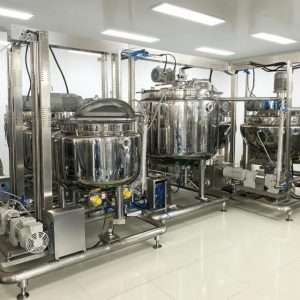
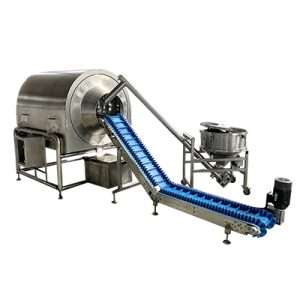
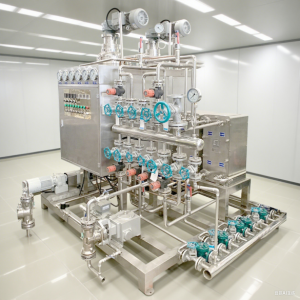
A leading Belgian confectionery manufacturer, known for its high-quality fruit-flavored sweets, faced a critical bottleneck in its production of gummy candies. The company’s existing line, a patchwork of refurbished equipment, could only produce 400 kilograms of gummies per hour, with a significant 12% waste rate due to inconsistent starch molding and cooling. This inefficiency not only limited output to 3,200 kilograms per eight-hour shift but also required three full-time operators to manually adjust the temperature and moisture controls. After evaluating several suppliers, the company partnered with MachineCooperate to install a modern, fully integrated Gummy production line. The results were transformative. Within the first six months, the new line increased production capacity to 950 kilograms per hour—a 137.5% improvement—while reducing waste to just 2.3%. This translated to a daily output of 7,600 kilograms per shift, allowing the plant to meet growing demand from both domestic Belgian retailers and export markets in France and Germany. Financially, the reduction in raw material waste alone saved the company €175,000 annually, and the increased throughput generated an additional €1.2 million in revenue per year, based on an average wholesale price of €4.50 per kilogram.
The collaboration extended far beyond hardware delivery. MachineCooperate recognized that a successful implementation required deep technical support tailored to the client’s unique operating environment. Before shipment, a team of two engineers spent five days at the Belgian factory conducting a site survey, mapping out the existing utilities—steam, compressed air, and electrical loads—to ensure seamless integration. During installation, MachineCooperate provided on-site supervision for the entire 14-day setup, including a dedicated commissioning engineer who worked alongside the client’s maintenance crew. The service package included a comprehensive two-week training program for six operators and two shift supervisors, covering everything from recipe programming on the PLC interface to routine cleaning and lubrication of the starch mogul. A detailed troubleshooting manual, translated into Dutch and French, was provided. Furthermore, MachineCooperate established a remote diagnostic link that allowed engineers to monitor key parameters—such as drying tunnel temperature and depositor speed—in real time, enabling proactive adjustments. When a minor vibration issue arose in the cooling conveyor during the third month, a technician arrived on-site within 48 hours and resolved the problem using a specially designed dampening kit, at no additional cost under the 24-month warranty. This level of post-sale support minimized downtime to less than 0.5% of total production hours in the first year.
The benefits also extended to labor efficiency. With the previous line, three operators were constantly required to handle manual interventions, such as adjusting the steam pressure in the drying tunnel or clearing clogs in the depositor. The MachineCooperate line automated these tasks through a central control system that maintained a consistent 38°C drying temperature with a tolerance of ±0.5°C. As a result, the client reallocated two operators to other areas of the factory, reducing direct labor costs by €85,000 annually. Energy consumption also dropped by 18% per kilogram of gummy produced, thanks to the efficient heat recovery system integrated into the starch drying circuit. The company reported a total return on investment within 19 months, a timeline that exceeded its initial projections by five months.
To provide a clear comparison of the key performance indicators before and after the upgrade, the following table summarizes the most significant metrics:
| Metric | Before MachineCooperate Line | After MachineCooperate Line |
|---|---|---|
| Production Capacity (kg/hour) | 400 | 950 |
| Waste Rate (%) | 12.0 | 2.3 |
| Operators Required Per Shift | 3 | 1 |
| Energy Consumption (kWh/kg) | 0.45 | 0.37 |
| Annual Additional Revenue (€) | Baseline | 1,200,000 |
| Downtime Due to Equipment Issues (%) | 3.1 | 0.5 |
Belgium’s gummy candy market presents a compelling context for this investment. The country has a per-capita consumption of confectionery that is among the highest in Europe, at roughly 8.5 kilograms per year, with gummy products accounting for an estimated 22% of that volume. The Belgian palate favors gelatin-based, fruit-forward gummies with natural flavorings, often sold in bulk to supermarkets or as private-label brands. Moreover, Belgium’s strategic location as a logistics hub—with ports in Antwerp and Zeebrugge handling significant confectionery exports—positions local manufacturers to serve the wider European market, which is projected to grow at a compound annual growth rate of 4.2% through 2028. However, rising labor costs and stricter environmental regulations on starch waste disposal have forced many Belgian producers to invest in more efficient, automated lines. The client’s partnership with MachineCooperate addressed exactly these pressures, offering a solution that not only improved output but also reduced the environmental footprint by cutting starch consumption by 15% through better separation and reclamation processes.

For any Belgian confectionery factory looking to modernize its Gummy production line, the case of MachineCooperate demonstrates that the combination of precise engineering, comprehensive training, and responsive after-sales support can deliver measurable financial and operational gains while aligning with regional market trends. The client now operates with the confidence that its production capacity can scale with demand, and its maintenance team has the skills to sustain peak performance for years to come.
Our Products
-

Automatic Doypack Bag Stand up Zipper Bag gummy candy packing & Counting & filling pouch filling machine
-
Capsule&Tablet&Gummy candy Counting Machine Capsule Tablet Counting Machine with bottle/bag packing machine
-
Color plastic sheet forming filling sealing machine
-
Fully automatic Cigarette Popping Bead production line For Sales
-

Fully Automatic Soft Gel Ball capsule Production Line
-
Gold Coin Chocolate Packaging Machine with Advanced Control Systems
-
Gummy Candy Depositor for Labs & Small-Scale Production
-
Gummy Production Line & Machinery – Free Recipes with Our Equipment – 24/7 After-Sales Support
-
Hard Candy Production Line For Sales – Free Recipes with Our Equipment – 24/7 After-Sales Support
-
High-efficiency Popping Bead Machine Fully Automatic Production Equipment for Commercial Use Popping Bead Making Artifact
-
Industrial Jelly Gummy Candy Snack Sugar Coating Pan Drum Machine/candy Surface Polishing Machine
-
Lollipop Production Line – Free Recipes with Our Equipment – 24/7 After-Sales Support