In the competitive landscape of confectionery manufacturing, few stories demonstrate the tangible impact of strategic equipment investment as clearly as the journey of a Bolivian gummy producer. Partnering with MachineCooperate, this client transformed its operations, achieving measurable gains in efficiency, revenue, and product quality. This case study examines the specific benefits realized, the comprehensive support provided by our team, and the broader market dynamics that made this collaboration a success.
The Challenge Before MachineCooperate
The client, a mid-sized candy factory in Bolivia, had been producing gummy products using outdated, semi-automated equipment. Production capacity was capped at 500 kilograms per day, with frequent breakdowns causing up to 15% downtime. Yield losses—primarily from inconsistent depositing and cooling—reached 8% of raw materials. The factory struggled to meet growing domestic demand for high-quality gummies, particularly for fruit-flavored shapes and sour coatings. Before engaging MachineCooperate, the client faced three critical bottlenecks: low throughput, high waste, and insufficient technical support for troubleshooting.
Implementing the Gummy Production Line
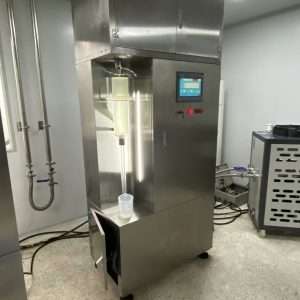
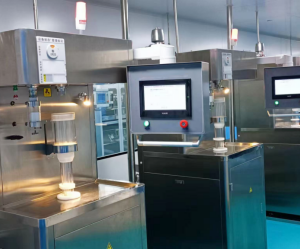
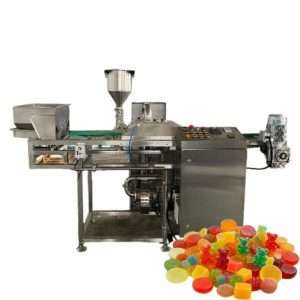
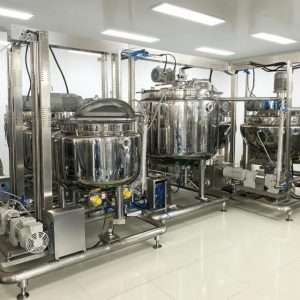
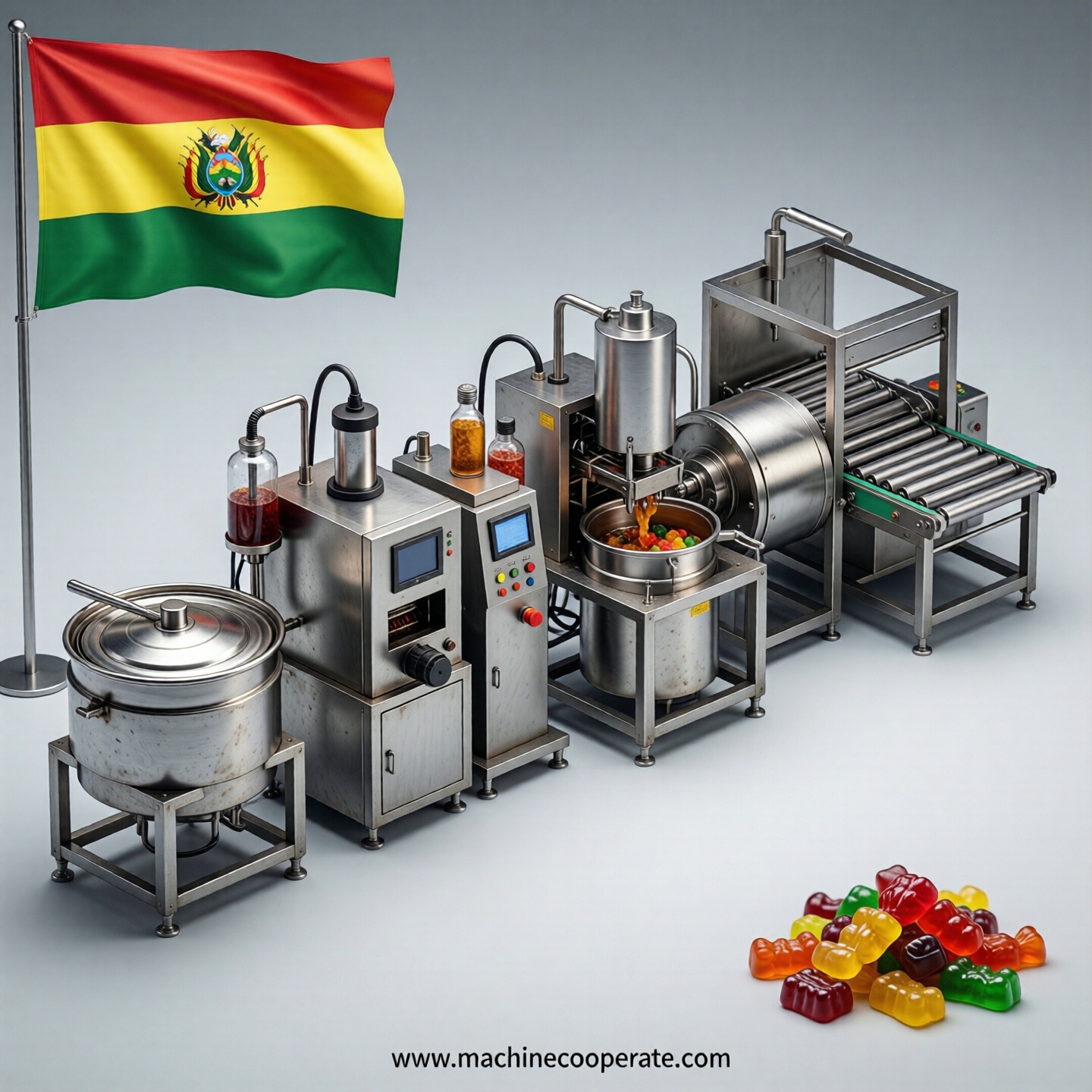
MachineCooperate designed and delivered a fully integrated gummy production line tailored to the factory’s 500-square-meter facility. The system included a continuous cooking and depositing unit, cooling tunnels, and a starch-free molding station. Installation was completed within 45 days, followed by a 10-day commissioning period. Our engineers on-site conducted hands-on training for 12 operators and 2 maintenance technicians, covering recipe formulation, machine calibration, and sanitation protocols. Additionally, MachineCooperate provided a remote monitoring system and a two-year warranty with 24/7 spare parts availability.
Measurable Results and Benefits
The impact of the new line became evident within the first quarter. Production capacity increased to 1,800 kilograms per day, a 260% improvement. Downtime dropped to under 3% due to the robust design and preventive maintenance schedule. Yield losses from raw material waste fell to 1.2%, saving approximately $18,000 annually in ingredients. Energy consumption per kilogram decreased by 22%, translating to $7,500 in yearly utility savings. The factory also launched two new product lines—sour worms and vitamin-enriched gummies—which captured a 12% market share in the Bolivian snack sector within six months. Revenue grew by 47%, reaching $2.1 million in the first year post-implementation.
Detailed Support Services Provided
The success of this project was underpinned by MachineCooperate’s commitment to service excellence. The following support was delivered throughout the lifecycle:
- Pre-installation consultation: Three virtual sessions to analyze floor layout, utilities, and local regulatory requirements.
- On-site installation and commissioning: A dedicated team of two senior engineers stayed for 14 days to ensure seamless integration.
- Operator and maintenance training: A two-week curriculum covering operation, cleaning, and basic repairs, with certification for all attendees.
- Remote technical support: Scheduled weekly check-ins and instant emergency response via video call, with a 4-hour average resolution time.
- Ongoing after-sales service: A local distributor in Santa Cruz stocked common spare parts for same-day dispatch, and MachineCooperate offered a 3% discount on annual maintenance contracts.
Revenue and Efficiency Gains Overview
The table below summarizes key performance indicators before and after the MachineCooperate gummy production line:
| Metric | Before MachineCooperate | After MachineCooperate | Improvement |
|---|---|---|---|
| Daily production capacity | 500 kg | 1,800 kg | +260% |
| Downtime rate | 15% | 2.8% | -81% |
| Raw material yield loss | 8% | 1.2% | -85% |
| Energy cost per kg | $0.95 | $0.74 | -22% |
| Annual revenue | $1.43 million | $2.1 million | +47% |
| New product launches | 1 per year | 3 in 12 months | +200% |
Bolivia Gummy Market Context and Demand
Bolivia’s confectionery market has experienced steady growth, driven by an expanding middle class and rising demand for packaged snacks. As of 2024, the gummy segment represents approximately 18% of the total candy category, with a compound annual growth rate of 9.2%. Domestic production meets only about 60% of local consumption, leaving a significant gap filled by imports—primarily from Brazil, Argentina, and China. However, import duties and logistical delays often result in higher retail prices and inconsistent availability. This creates a strong opportunity for local manufacturers who can produce competitively priced, high-quality gummies. Consumer preferences are shifting toward sugar-free and functional gummies (e.g., those with vitamin fortification or natural fruit extracts), a niche that the client successfully entered using the MachineCooperate line. The Bolivian government has also introduced incentives for food processing investments, including reduced import taxes on machinery and accelerated depreciation credits. These factors, combined with the demonstrated success of our client, position MachineCooperate as a key enabler for growth in this emerging market.
Our Products
-

Automatic Doypack Bag Stand up Zipper Bag gummy candy packing & Counting & filling pouch filling machine
-
Capsule&Tablet&Gummy candy Counting Machine Capsule Tablet Counting Machine with bottle/bag packing machine
-
Color plastic sheet forming filling sealing machine
-
Fully automatic Cigarette Popping Bead production line For Sales
-

Fully Automatic Soft Gel Ball capsule Production Line
-
Gold Coin Chocolate Packaging Machine with Advanced Control Systems
-
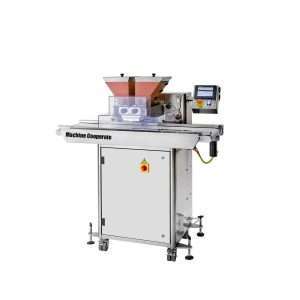
Gummy Candy Depositor for Labs & Small-Scale Production
-
Gummy Production Line & Machinery – Free Recipes with Our Equipment – 24/7 After-Sales Support
-
Hard Candy Production Line For Sales – Free Recipes with Our Equipment – 24/7 After-Sales Support
-
High-efficiency Popping Bead Machine Fully Automatic Production Equipment for Commercial Use Popping Bead Making Artifact
-
Industrial Jelly Gummy Candy Snack Sugar Coating Pan Drum Machine/candy Surface Polishing Machine
-
Lollipop Production Line – Free Recipes with Our Equipment – 24/7 After-Sales Support