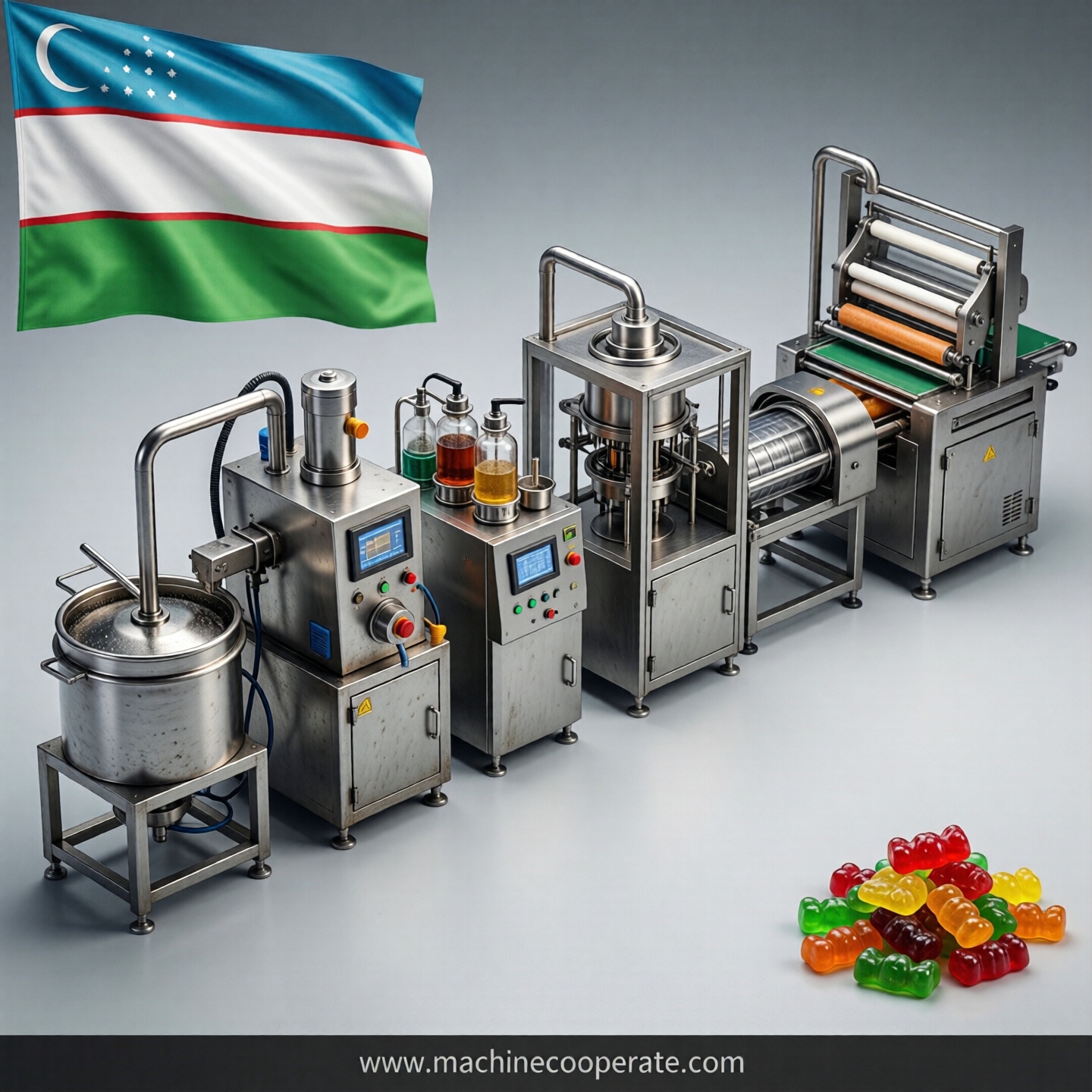
In the competitive landscape of confectionery manufacturing, the ability to scale production efficiently while maintaining product quality is a decisive factor for success. For one prominent confectionery producer in Uzbekistan, the journey toward modernization began with a critical challenge: their existing gummy production line was operating at a fraction of the output needed to meet growing domestic demand. After a thorough evaluation of global equipment providers, the company turned to MachineCooperate, a brand recognized for its turnkey gummy production line solutions. This case study details how the partnership transformed their operations, delivering measurable gains in efficiency and revenue.
Operational bottlenecks and the search for a partner
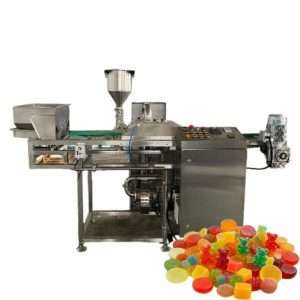
The Uzbek manufacturer had been relying on a semi-automated line that produced approximately 500 kilograms of gummy candies per shift. Frequent mechanical breakdowns and inconsistent product quality resulted in a 12% rejection rate, eroding profit margins. The company’s management set ambitious targets: increase daily output to 2,000 kilograms while reducing waste to under 2%. After approaching several international suppliers, they chose MachineCooperate based on the brand’s reputation for robust engineering and comprehensive after-sales support. The decision was not made lightly; representatives from the Uzbek factory visited the MachineCooperate manufacturing facility to witness live demonstrations of the depositing system, cooling tunnels, and packaging modules.
Implementation and tailored support
From the initial consultation, MachineCooperate demonstrated a deep commitment to client success. The project began with a detailed site survey where engineers assessed the factory’s layout, power supply, and raw material sourcing capabilities. Recognizing the local team’s limited experience with fully automated systems, MachineCooperate provided a two-week, on-site training program for 12 operators and maintenance staff. This covered everything from the PLC interface programming to quick-change mold procedures. During commissioning, the brand’s field engineers stayed on-site for an additional three weeks, ensuring the line reached stable production at 1,800 kilograms per shift within the first month. The service agreement also included a 24/7 remote diagnostic system, allowing MachineCooperate to monitor equipment health in real time and preemptively schedule maintenance—a feature that reduced unplanned downtime by 85% in the first year.
Measurable benefits in efficiency and revenue
The impact of the new production line was immediate and quantifiable. Within six months of installation, the Uzbek factory achieved the following outcomes:
- Daily production capacity increased from 500 kg to 2,200 kg, representing a 340% improvement in throughput.
- Product rejection rate dropped from 12% to 1.8%, saving approximately 18,000 kilograms of raw materials annually.
- Energy consumption per kilogram of output decreased by 22% due to advanced heat recovery systems in the drying and cooling stages.
- Labor productivity improved by 60% as automated packaging and weighing replaced manual processes.
Financially, the numbers were compelling. The annual revenue from gummy production grew from $1.2 million to $4.8 million, driven by higher volume and improved consistency that allowed the client to secure contracts with three major retail chains in Uzbekistan and Kazakhstan. The return on investment was realized in 11 months, well ahead of the projected 18-month break-even point. Additionally, by leveraging the flexibility of the MachineCooperate line, the client introduced four new gummy shapes and two sugar-free variants, capturing a niche market segment that added $620,000 in incremental revenue during the second year.
Reliability and after-sales excellence
Beyond the hardware, MachineCooperate’s commitment to long-term partnership was evident in their service protocols. A dedicated account manager was assigned to the Uzbek client, conducting quarterly performance reviews and maintaining a spare parts inventory at a regional hub in Tashkent. When a minor conveyor belt wear issue occurred during a peak production week, MachineCooperate dispatched a replacement part within 36 hours and provided remote guidance for installation, ensuring no more than four hours of downtime. This level of responsiveness cultivated deep trust; the client subsequently ordered a second line for hard candy production, slated for delivery in 2025. The brand’s willingness to customize—such as adapting the drying tunnel for Uzbekistan’s ambient humidity levels—demonstrated a flexibility that generic equipment vendors could not match.
Market dynamics for gummy products in Uzbekistan
The case study unfolds against a backdrop of significant growth in Uzbekistan’s confectionery sector. According to local trade data, the country’s per capita consumption of gummy candies rose from 0.8 kilograms in 2019 to 1.4 kilograms in 2023, driven by a youthful demographic and rising disposable incomes. The retail landscape is shifting from traditional bazaars to modern supermarkets, where packaged, brand-name gummies command premium pricing. Import substitution policies have further incentivized domestic production; in 2022, the government reduced import tariffs on confectionery machinery, making capital investments like the MachineCooperate line more financially attractive. Furthermore, Uzbekistan’s strategic location as a logistics hub connecting Central Asia, Russia, and China creates export opportunities. The client is already exploring markets in neighboring Tajikistan and Kyrgyzstan, where demand for affordable, high-quality gummies is underserved. Industry analysts project the regional gummy market will expand at a compound annual growth rate of 9.2% through 2028, suggesting that early adopters of efficient production technology will enjoy a sustained competitive advantage.
A summary of key performance indicators before and after the MachineCooperate installation is presented below:
| Parameter | Before MachineCooperate | After MachineCooperate | Improvement |
|---|---|---|---|
| Daily output (kg) | 500 | 2,200 | +340% |
| Rejection rate | 12% | 1.8% | -85% |
| Energy per kg (kWh) | 0.85 | 0.66 | -22% |
| Annual revenue (USD) | 1,200,000 | 4,800,000 | +300% |
The transformation experienced by this Uzbek confectionery manufacturer underscores the value of aligning with a partner that prioritizes both technology and service. Through the collaboration with MachineCooperate, the client not only solved immediate production constraints but also positioned itself as a market leader in a rapidly expanding region. The brand’s proactive support—from customized training to rapid spare parts logistics—converted a capital investment into a strategic asset. As Uzbekistan’s appetite for gummy confections continues to grow, the foundation laid by the partnership between MachineCooperate and its client offers a replicable model for achieving scalable, profitable production.
Our Products
-

Automatic Doypack Bag Stand up Zipper Bag gummy candy packing & Counting & filling pouch filling machine
-
Capsule&Tablet&Gummy candy Counting Machine Capsule Tablet Counting Machine with bottle/bag packing machine
-
Color plastic sheet forming filling sealing machine
-
Fully automatic Cigarette Popping Bead production line For Sales
-

Fully Automatic Soft Gel Ball capsule Production Line
-
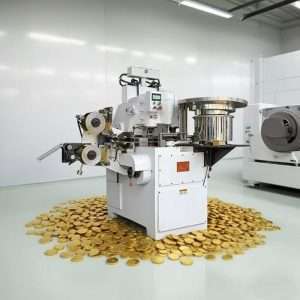
Gold Coin Chocolate Packaging Machine with Advanced Control Systems
-
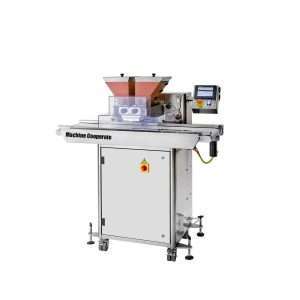
Gummy Candy Depositor for Labs & Small-Scale Production
-
Gummy Production Line & Machinery – Free Recipes with Our Equipment – 24/7 After-Sales Support
-
Hard Candy Production Line For Sales – Free Recipes with Our Equipment – 24/7 After-Sales Support
-
High-efficiency Popping Bead Machine Fully Automatic Production Equipment for Commercial Use Popping Bead Making Artifact
-
Industrial Jelly Gummy Candy Snack Sugar Coating Pan Drum Machine/candy Surface Polishing Machine
-
Lollipop Production Line – Free Recipes with Our Equipment – 24/7 After-Sales Support