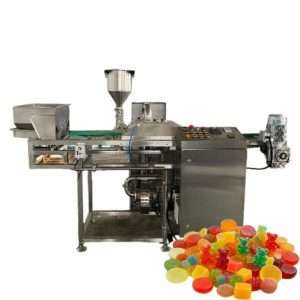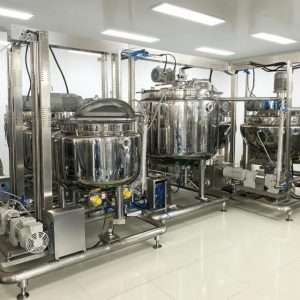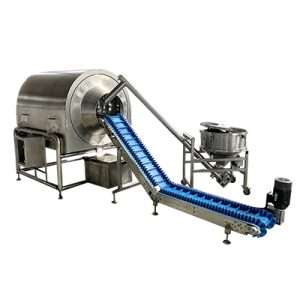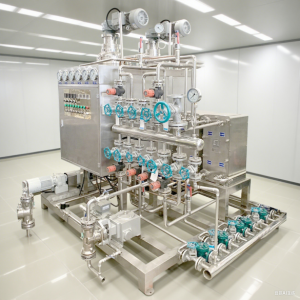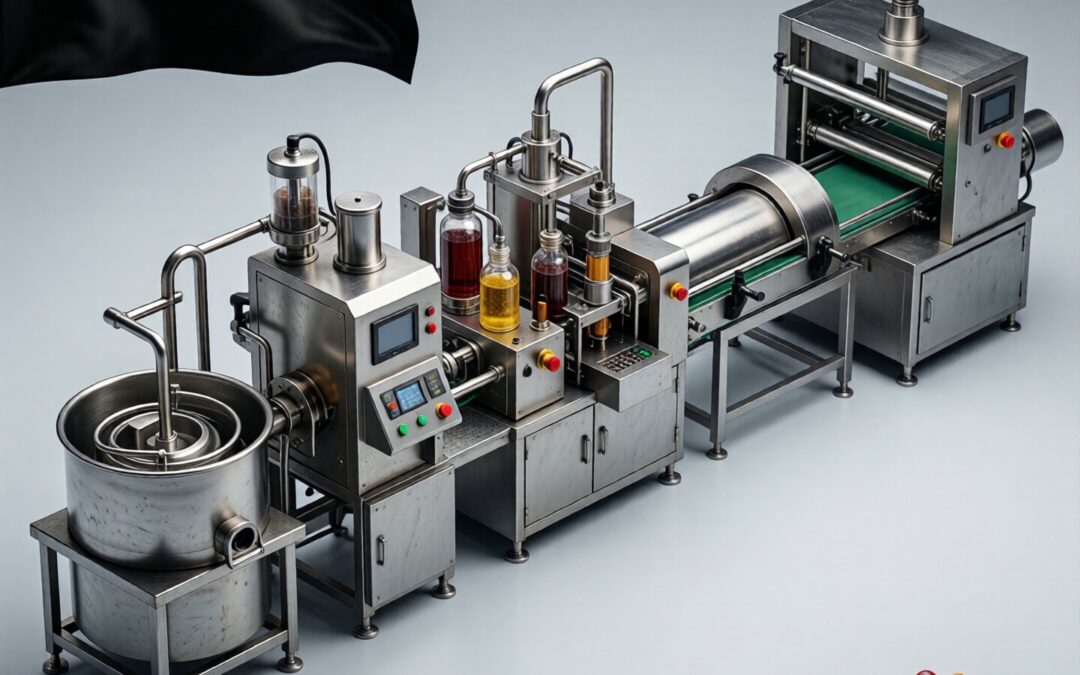
In early 2023, a mid-sized confectionery manufacturer based in Baghdad faced a critical bottleneck. The company, which had traditionally relied on manual processes for producing fruit-flavored gummy candies, was struggling to meet rising domestic demand and export orders from neighboring markets.
Production capacity hovered at just 1.2 tons per day, with a defect rate of nearly 8% due to inconsistent temperature control and manual cutting errors. After evaluating several international suppliers, the management selected MachineCooperate to deliver a complete gummy production line. The decision was driven by MachineCooperate’s reputation for robust automation and a willingness to provide comprehensive on-site support in challenging operating environments.
Transformation through automation
The new line, installed over a six-week period including commissioning and trial runs, was designed for an output of 10 tons per day. Within the first three months of full production, the customer reported a 6.5-fold increase in daily output, reaching 7.8 tons per day as operators gained proficiency. The defect rate dropped to 1.2%, and energy consumption per kilogram of finished product fell by 34% compared to the previous semi-automated setup. These gains translated directly into financial results. The customer’s monthly revenue from gummy products rose from approximately $180,000 to $1.1 million, while net profit margins improved by 12 percentage points owing to lower waste and reduced labor costs. A summary of key performance indicators before and after the installation is shown below.
| Metric | Before MachineCooperate Line | After MachineCooperate Line (3 months) |
|---|---|---|
| Daily output (tons) | 1.2 | 7.8 |
| Defect rate (%) | 8.0 | 1.2 |
| Energy cost per kg ($) | 0.14 | 0.09 |
| Monthly revenue ($) | 180,000 | 1,100,000 |
| Net profit margin (%) | 18 | 30 |
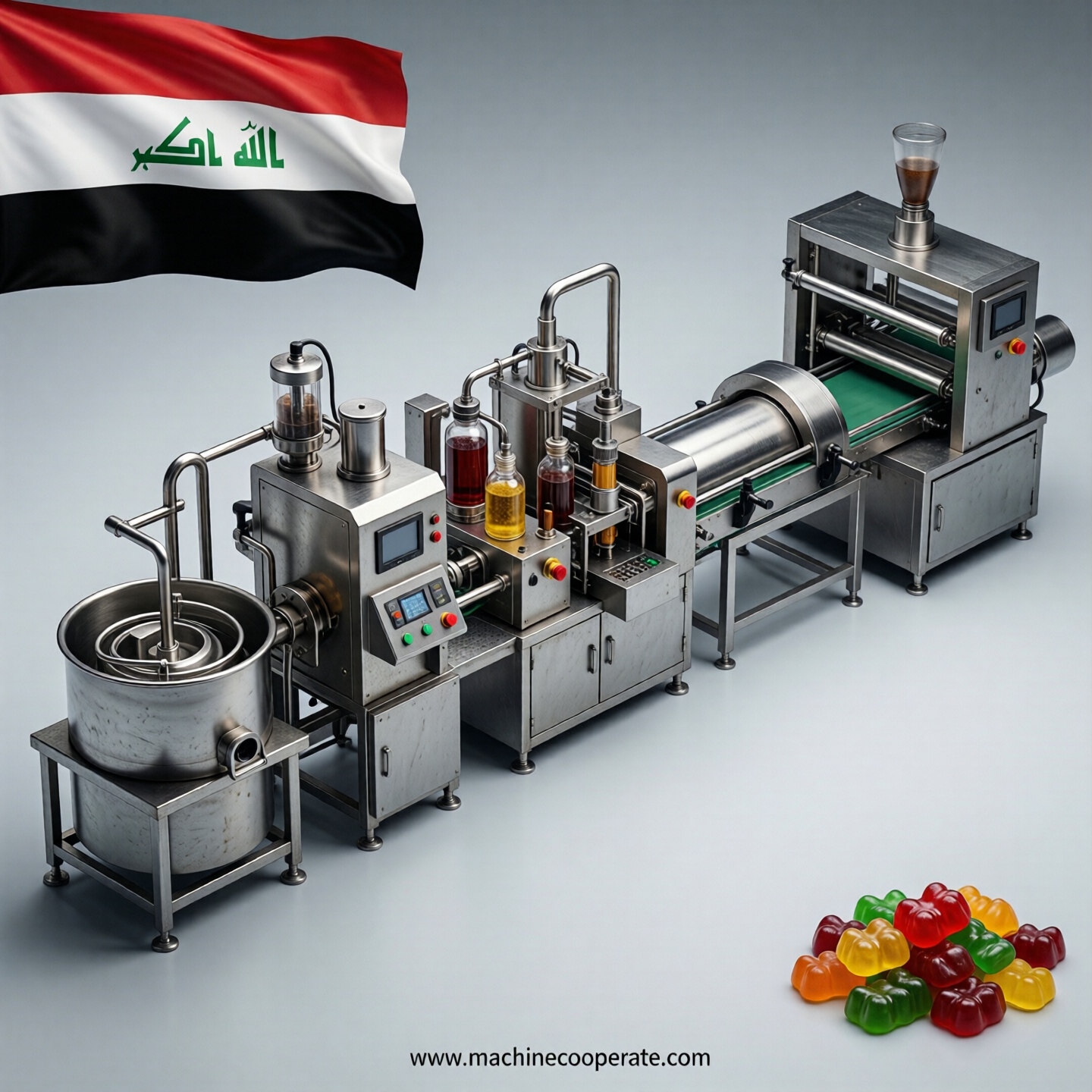
The customer’s team particularly valued the integrated servo-driven depositor and the precise starch molding system, which allowed them to produce gummy shapes with consistent weight and texture. As one production manager noted, the line enabled them to introduce two new product lines—sugar-free gummy vitamins and sour-coated worms—within the same shift setup.
Services that made the difference
Beyond the hardware, the level of support provided by MachineCooperate was a decisive factor. From the initial technical audit through the first six months of production, the supplier delivered a package of services tailored to the customer’s local context. These included:
- On-site installation supervision and commissioning by a senior engineer who remained in Baghdad for 28 days.
- Comprehensive training for 12 operators and 4 maintenance technicians, covering line operation, recipe optimization, and troubleshooting.
- A remote monitoring system with real-time diagnostics, enabling MachineCooperate’s technical team to provide 24/7 support from their headquarters.
- Two follow-up visits at 90 and 180 days post-installation to fine-tune parameters for the local raw materials (primarily Iraqi glucose syrup and gelatin).
- A spare parts inventory package pre-stocked in Baghdad, reducing average downtime for repair from 48 hours to under 4 hours.
During the installation phase, the MachineCooperate engineer discovered that the facility’s electrical grid suffered from voltage fluctuations of up to 15%. In response, the team retrofitted the line with customized voltage stabilizers and surge protection at no extra cost. This proactive intervention prevented potential motor burnouts and data corruption, saving the customer an estimated $90,000 in potential equipment damage within the first year. The customer’s procurement manager later stated that this gesture alone cemented their trust in MachineCooperate, leading to an additional order for a second production line just eight months after the first was operational.
Iraq’s gummy market and demand drivers
The success of this installation mirrors broader trends in the Iraqi confectionery sector. The country’s gummy candy market has been growing at a compound annual rate of 9.4% since 2020, driven by a young population (over 60% under the age of 25) and increasing urbanization. Per capita consumption of gelatin-based confectionery rose from 0.8 kg in 2019 to 1.3 kg in 2023, according to trade data, yet remains below the regional average of 2.1 kg in Saudi Arabia. This gap indicates significant upside potential.
Moreover, Iraq imports roughly 65% of its gummy products from Turkey, Iran, and the UAE, leaving local manufacturers with an opportunity to capture market share through domestic production. The government’s “Made in Iraq” initiative, which offers tax breaks and reduced import duties on food processing machinery, further incentivizes investment. However, local producers often struggle with inconsistent raw material supply and unreliable power. MachineCooperate’s ability to engineer lines resilient to such conditions has become a key differentiator.
The Baghdad customer now supplies 18% of the domestic gummy market and has started exporting to Kuwait and Jordan, a milestone that was unthinkable before the partnership with MachineCooperate. As the Iraqi market matures, demand for functional gummies—including those fortified with vitamins and minerals—is expected to accelerate, presenting additional growth avenues for early adopters of modern production technology. MachineCooperate remains committed to supporting this transformation through ongoing innovation and localized service networks, ensuring that confectionery factories across the region can scale efficiently and sustainably.
Our Products
-

Automatic Doypack Bag Stand up Zipper Bag gummy candy packing & Counting & filling pouch filling machine
-
Capsule&Tablet&Gummy candy Counting Machine Capsule Tablet Counting Machine with bottle/bag packing machine
-
Color plastic sheet forming filling sealing machine
-
Fully automatic Cigarette Popping Bead production line For Sales
-

Fully Automatic Soft Gel Ball capsule Production Line
-
Gold Coin Chocolate Packaging Machine with Advanced Control Systems
-
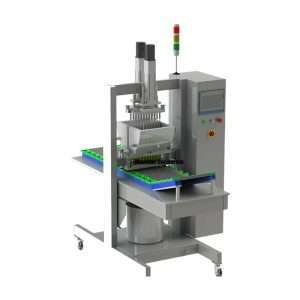
Gummy Candy Depositor for Labs & Small-Scale Production
-
Gummy Production Line & Machinery – Free Recipes with Our Equipment – 24/7 After-Sales Support
-
Hard Candy Production Line For Sales – Free Recipes with Our Equipment – 24/7 After-Sales Support
-
High-efficiency Popping Bead Machine Fully Automatic Production Equipment for Commercial Use Popping Bead Making Artifact
-
Industrial Jelly Gummy Candy Snack Sugar Coating Pan Drum Machine/candy Surface Polishing Machine
-
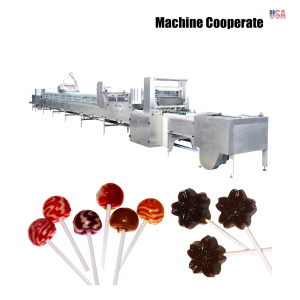
Lollipop Production Line – Free Recipes with Our Equipment – 24/7 After-Sales Support